The Different Forms of Nursing Home Abuse

When you place your elderly loved one in the care of a nursing home, it is with the belief that the staff will provide them the medical attention and care that you couldn’t at your home. However, nursing home abuse is a growing concern that can put the health and safety of your aging loved ones in danger if not addressed promptly.

According to estimates made by the Centers of Disease Control and Prevention (CDC), there are about two million individuals who are 65 years of age or older in the United States who are residents of one of the 16,000 nursing homes. Unfortunately, with the increasing number of patients, the probability of the elderly receiving proper attention and medical care decreases significantly, making it a major cause of concern.

The Types of Nursing Home Abuse

Nursing home abuse, also known as elder abuse, refers to the injuries or ill-treatment suffered by an aging or elderly person at a nursing home. The following are some common types of elder abuse that aging people suffer from in nursing homes:

Emotional Abuse

In this type of abuse, people treat or speak to aging individuals in ways that result in emotional distress or pain. It is also known as mental and psychological abuse, and includes:

  • Ignoring the elderly person
  • Habitual scapegoating or blaming
  • Ridicule and humiliation
  • Intimidation through threats or yelling
  • Terrorizing the elderly person
  • Isolating the elderly person from friends or family, or from taking part in activities

Physical Abuse

The National Center on Elder Abuse defines physical abuse as, any physical force used on an elderly person that might result in pain, injury, or impairment. Some examples of physical abuse include pushing, violently shaking, forced feeding, whipping, kicking, slapping, punching, hitting, and burning. Moreover, confinement, restraints, and the inappropriate use of drugs also falls under this category.

Financial Abuse

The elderly are highly susceptible to financial exploitation and fraud. When the residents of a nursing home have health issues, like poor eyesight or failing mental capacity, they often have to rely on others to perform basic tasks such as writing checks, managing bank accounts, and reading mails. This reliance makes them an easy target for financial abuse.

Sexual Abuse

Sexual abuse refers to the unwanted or forced sexual activity, in which the perpetrator engages the elderly person through deception, brute force, threats, or taking advantage of their mental or physical incapacity. Sexual abuse can involve exposure to genitalia, unwelcome kissing, unwanted touch, molestation, fondling, penetrative intercourse, and other acts.

Healthcare Abuse and Fraud

This type of abuse is carried out by nursing home personnel, nurses, doctors, and other professional care providers. The following are some examples of healthcare abuse and fraud relating to elderly people:

  • Overcharging for medical care services
  • Charging for medical care or services, but not providing them
  • Undermedicating or overmedicating
  • Medicaid fraud
  • Recommending unnecessary drugs or treatments for medical conditions

Personal Injury Attorney

If your elderly loved one has suffered from any kind of nursing home abuse, you should consider filing a lawsuit against the facility. Contact the Law Offices of Robert T. Edens, P.C. at (847) 395-2200 or online today to schedule your initial consultation with our firm and evaluate your options.
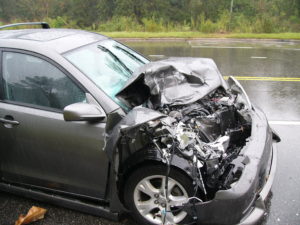
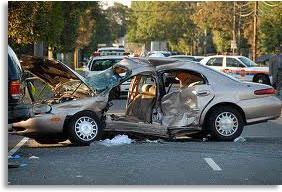
Wrongful Deaths: What are the Common Causes?

No life event is more tragic and devastating than losing a loved one, especially when the death is unexpected and a result of unnatural causes. A wrongful death refers to the death of an individual caused by the negligence, carelessness, wrongful act, or lack of skill of a person, agent, or corporation. Although this is a broad definition, it is applicable in a wide range of situations.

When a person dies under any of these circumstances, the surviving family has the legal right to file a wrongful death claim or lawsuit against the defendant. Although it won’t bring their deceased loved one back, it enables them to recover different damages and expenses, including healthcare costs, lost income, pain and suffering, loss of inheritance, and burial expenses. In order to receive compensation, the plaintiff and their legal representative must be able to prove the negligent actions of the defendant caused the death.

The Common Causes of Wrongful Death

According to the Centers for Disease Control and Prevention (CDC), the fourth leading cause of death is unintentional injury, resulting in more than 130,000 deaths annually across the country. Most wrongful death cases involve one of the following types of accidents.

Vehicle Accidents

A staggering number of wrongful death cases involve fatalities from traffic accidents. According to the National Highway Traffic Safety Administration (NHTSA), more than 40,000 people die in vehicle accidents every year in the United States. The lawsuits and claims filed by the deceased’s family members in such cases are against commercial truck drivers, motorists, automobile manufacturers, and roadway government agencies.

Commercial Truck Accidents

When a typical commercial truck is involved in a road accident, the outcomes are quite serious, which mostly results in a fatality. Most of the time, the trucker or the trucking company is at fault. They can be held liable for the wrongful death due to their failure to maintain proper driving hours, follow mandatory regulations, drive within weight limits, drunk driving, or over-speeding.

Workplace Accidents

According to the Occupational Safety and Health Administration (OSHA), about 4,400 workers die on the job each year in the United States. Leading the list of the most dangerous occupations is the construction industry, as most deaths take place on-site due to unsafe working conditions. Since the company is responsible for providing a safe working environment, adequate equipment, and proper safety training, the surviving family members can file a claim or lawsuit against the employer.

Medical Malpractice

Doctors, nurses, and other medical professionals have a duty of care towards their patients to provide a certain level of healthcare and ensure their well being. Unfortunately, some medical practitioners fail to provide the standard care, and their negligent actions lead to the death of the patient.

Common types of medical malpractice include anesthesia errors, surgical errors, defective medical equipment, misdiagnosis, birth injuries, and prescription errors. Based on the evidence, the deceased’s family may file a wrongful death claim or lawsuit against the doctor or the hospital for medical malpractice.

Personal Injury Attorney

Regardless of the cause of wrongful death, it is essential that you hire an experienced and reliable wrongful death attorney for aggressive legal representation. Contact the Law Offices of Robert T. Edens, P.C. at (847) 395-2200 or online today to schedule your initial consultation.

Three Injured in Rollover Crash in Naperville, IL

There was an auto accident that occurred on January 3, 2017, in Naperville, Illinois. The accident occurred on Ogden Ave. at Aurora Ave. just after 4:00 a.m. An Aurora ambulance collided with a black Toyota Camry. Two Aurora paramedics were extricated from the ambulance and the driver of the car, a 52-year-old woman from Naperville, was extricated also. They were all transported to Edward Hospital in Naperville, Illinois. The injuries appear to be non-life threatening. No patients were in the ambulance during the time of the accident.
Rollover Crash in Naperville, IL

The Law Offices of Robert T. Edens is a Lake County personal injury law firm with offices located in Antioch. Contact us today for a free consultation.


The Law Offices of Robert T. Edens, P.C.


Defensive Driving: How it Reduces the Chances of Auto Accidents

Staying vigilant and alert of careless drivers, adapting to dangerous driving situations, and having knowledge of traffic-related dangers are some good reasons why taking defensive driving courses are essential for every driver. People who invest time in learning how to drive defensively are less likely to be involved in road accidents. It may not be possible for a driver to avoid every dangerous situation, but having the knowledge and skills to deal with them can avoid inconveniences associated with an accident, and can potentially save lives.

What is Defensive Driving?

It is a driver safety course that teaches safe driving techniques and provides tips for road safety to help prevent traffic accidents. Some important safety tips for defensive driving include:

  • Avoid driving when in an impaired condition, such as under influence of alcohol or drugs, or driving tired and exhausted.
  • Keeping a check on emotions to avoid road rage.
  • Thinking ahead of possible issues on the road and adjusting yourself to avoid a possible accident.
  • Avoiding distractions including eating or using mobile phone while driving.
  • Staying up-to-date with weather conditions before planning a long road trip.
  • Not expecting that other drivers won’t be distracted or follow traffic rules.
  • Always use the vehicle’s safety gear.
  • Safety driving instructions for emergency situations.

At its core, defensive driving aims to teach the driver to have more control over their vehicle, and allows them to realize how other drivers and road conditions can affect them.

Best Practices for Effective Defensive Driving

Always Check your Blind Spots

You should always check over your shoulder before changing lanes to ensure there is no other vehicle in your blind spot. Moreover, determine whether your vehicle is in other driver’s blind spot, as they may not check over their shoulder before shifting lanes.

Consider the Big Picture

It is important that you keep your eyes on the road and read the movements of the vehicle in front of you. In addition, you should utilize your peripheral vision to try and predict any possible dangerous movements. If you are driving behind a SUV, truck, or any other vehicle you can’t see past it, you should light a signal and shift lanes after making sure it is safe to do so. It is advisable to scan and keep in check several cars ahead of you to plan your movements. This will help you stay prepared if suddenly the vehicle ahead of the car in front of you begins to slow down or hits the brakes.

Avoid Tailgating at all Costs

Never follow too closely to the vehicle in front and discourage other drivers from doing so behind you. When driving, make sure that you keep safe distance in such a way that you can easily see the rare tires of the other car, or give a 2-second count distance. If the driver in front of you is driving well below the speed limit, be patient and wait until it is safe for you to signal, switch lanes, and comfortably pass them.

Personal Injury Attorney

In some situations, accidents are nearly impossible to avoid regardless how much you try because the other driver may be at fault. If you have been in an accident due to someone else’s carelessness, you should file a claim against them to recover damages. Contact the Law Offices of Robert T. Edens, P.C. at (847) 395-2200 or online today to schedule your initial consultation.

Safe Driving Tips for Christmas and New Year’s Eve

The most awaited time of the year is just around the corner, and you must have some exciting things, may be road trips, planned to spend the holiday season. But did you know that Christmas and New Year’s season are among the most dangerous holidays of the year in the United States?

According to the American Automobile Association, nearly 95 million people commute long distances to visit family and friends during the end-of-year holiday. It has been found that about 250 Americans die and 27,900 get seriously injured during this period in auto accidents. One of the main reasons behind such a high number is that people tend to drink and drive during the holiday season, which increases the probability of getting into an accident tenfold.

Safety Tips for the Holiday Season

Take out a few minutes and make notes of how you can stay safe and avoid any potential dangers on the road.

  • Before you leave for your trip, take your car to a mechanic and get it serviced. Ask the mechanic to inspect the brakes, check tread level and tire pressure, and change oil and other fluids to ensure the car is in optimum condition. Since the weather and road conditions are poor during the holiday season, a well-maintained car is essential to stay safe on the road.
  • Avoid drinking and driving at all costs. If you are going to celebrate the holiday season, make sure that you plan ahead. Designate a driver who will drive you home, or ask your friend to arrange an Uber or a cab.
  • Apart from avoiding driving under alcoholic intoxication, you should be vigilant of other drunk drivers as well.
  • While warm clothes and presents are necessary to pack in your luggage, try to avoid packing too many things. If you do, it will overload the back of your car, and can become a cause of losing control when driving on slippery roads. Moreover, in case of an accident, loose items from your luggage can turn into dangerous projectiles, and become a cause of serious injury.
  • Avoid tailgating, speeding, or following the front car too closely. Keep a safe distance and be wary of the road conditions as they are most likely to be wet or covered with snow.
  • Keep an on eye out for safety warning signs, and be sure to strictly follow them.
  • While you may have kids in your car singing Christmas songs or fighting with each other and causing distraction, you should free yourself from any other type of distraction. This includes radio, cell phone, food, etc., and concentrate on the road.

1

Attorney Robert T. Edens, P.C. wishes a happy and safe holiday season to you and your family. However, in case you are caught in an accident, you should contact the Law Offices of Robert T. Edens, P.C. at (847) 395-2200 or online to schedule a consultation.

Workers’ Compensation Under the Workers’ Occupational Diseases Act

While it is common for employees to file claims for their workers’ compensation benefits for work-related injuries and accidents, claims pertaining to occupation diseases are rare, and often complicated in nature. When employees are diagnosed with an occupational disease, they have the right to claim workers’ compensation benefits under the Illinois Workers’ Occupational Diseases Act. However, identifying and proving occupational diseases that they are work-related is mostly very difficult.

What are Occupational Diseases?

These are the diseases caused due to exposure to excessive heat, noise, chemicals, radiation, and other hazardous environmental conditions. Most people have the impression that occupational diseases only refer to conditions like lung cancer and mesothelioma, but loss of hearing or eyesight also qualify. It also includes any existing disease aggravated because of poor work environment during the course of employment.

The reason why getting compensation for occupational diseases is difficult because many other causes can result in similar conditions, such as exposure to adverse external environment and personal habits.

Identifying Occupation Diseases and their Origins

There are several lines of work in which certain occupational diseases have a heightened rate of contraction as compared to the general population. For example, EMTs, paramedics, and firefighters work in environments which expose them to a higher risk of certain ailments, including illnesses caused by blood-borne pathogens, hypertension, and vascular disease. When employees catch such diseases, it is assumed they are caused because of the worker’s occupation. In such a case, the employer is burdened with the responsibility of proving that the worker could have caught the disease because of other reasons.

In the case of occupations where contracting certain diseases is not established, the employee has to prove that the disease is work-related. To do this, it is essential for an employee to get professional help of a workers’ compensation attorney. This is because they will have to document work environment conditions and get evaluations from medical practitioners to prove the job-related activities caused the disease. Since a majority of occupation disease develop over time, collecting evidence and reporting the disease within the statute of limitations is sometimes not possible.

Statute of Limitations for Occupational Diseases

As soon as the employee becomes aware of the occupation disease, they must notify their employer right away. The statute of limitations for filing an occupation disease claim is two years. This period starts from the day when the employee is diagnosed with the disease and a medical practitioner issues a written notice or a medical record of the disease’s existence.

In case of disablement, the employee must contract the disability within two years of last exposure to the workplace hazard. If an employee develops diseases related to asbestos or berylliosis, the statute of limitations extends to three years. For those exposed to radiation, they have 25 years to file a claim for their occupational disease.

1

If you have been diagnosed with an occupational disease, you need to act immediately before the statute of limitations expires for filing a case against your employer. Contact the Law Offices of Robert T. Edens, P.C. at (847) 395-2200 or online today to schedule a consultation.

Determining Liability in Teen Car Accidents

One of the most exciting things for teenagers across the United States, when they turn 16, is getting a driver’s license. Being able to legally drive a car gives teens a sense of freedom, but we can all agree to the fact that they are not the most accident-averse or careful drivers on the road. If you look at the statistics, the leading cause of death of teenagers in America is car accidents.

According to the Centers of Disease Control and Prevention (CDC), about 2,270 teenagers, belonging to the age group 16-19, were killed in auto accidents and more than 221,300 were treated in emergency departments across the United States in 2014. This indicates that on average, 6 teens died in motor vehicle accidents every day during that year. Moreover, the rate of fatal accidents in teenage boys was found to be double than female teenage drivers.

Now the question is: Does the law treat teen drivers differently as compared to adult drivers, when they are responsible for an accident? Let’s find out.

The Same Standards Apply to Teen Drivers as All Other Motorists

Whether you are an adult in your 40s or a teenager who just turned 16 and got your driver’s license, the same legal standards apply to you, regardless of your age. Any licensed driver who drives a vehicle must know that they have a duty of care for all those sharing the road with them, whether they are pedestrians, motorcyclists, truck and car drivers, or bicyclists. If someone gets injured because of your reckless or careless driving, you will be liable to pay for lost income, medical expenses, and other losses incurred due their negligence.

However, not all liability falls on the teen driver; parents and guardians are also held liable for their negligence.

Understanding Vicarious Liability

It is a legal set of guidelines that applies on parents/guardians, and holds them financially responsible for their children’s negligence. In other words, parents are responsible for the actions of their children, and based on this notion, they are held liable for accidents caused by their children.

There are some conditions when vicarious liability is applied on parents. They are:

  • The license is issued to the teen driver after the parent or guardian signed an agreement stating that they will share liability for the damages if their child caused an accident.
  • They signed a similar agreement when the accident happened.
  • Both at the time of the accident and the time of licensing.

However, the rules and regulations pertaining to vicarious liability may differ from state to state.

How Parents and Guardians can Limit their Liability?

  • Get sufficient insurance to cover damages from an accident
  • Have your child purchase their own vehicle, under their own name
  • Not allow your child to get a driver’s license until they are 18 years old
  • Make sure that the teen driver understands their ‘duty of care’ on the road, as well as the possible consequences of driving a car.


1

Regardless of how careful we are in life, all of us make mistakes, and so does our children. If your teenage child has been in a car accident and you want legal counsel on how to settle the matter, you should contact the Law Offices of Robert T. Edens, P.C. at (847) 395-2200 or online today to schedule a consultation.

When to Fire your Personal Injury Attorney and Look for a New One

Just like you have the right to hire an attorney for legal representation in any type of personal injury case, you also have the right to fire them if it’s not working out. If you are unhappy with the legal services of your current personal injury attorney, you may consider getting a second legal opinion, and end your client-attorney relationship. However, before you think about switching to a new personal injury attorney, you need to ask yourself why this measure is necessary.

Several problems can arise between a client and an attorney, resulting from situations such as:

  • Attorney’s inadequate attention to your case
  • High, unreasonable fees and lawsuit costs
  • Unprofessional attitude
  • You question the attorney’s ability to handle your case
  • Disagreement with the attorney on crucial aspects of your case
  • Unfavorable court decisions
  • The attorney doesn’t properly communicate with you on potential matters

When one or more of the above problems occur, it may be a good time to consider changing your personal injury attorney.

How to Fire Your Personal Injury Attorney

When you decide to fire your personal injury attorney, you should do it in the following way,in order to avoid any potential conflicts.

The first thing you should look at is the legal services contract with your attorney. Carefully go through it, and see if there is any provision that dictates a certain procedure for terminating client-attorney relationship. If there is one, it is very important that you follow it to avoid any trouble in the future.

As soon as you decide to change your personal injury attorney, hire a new attorney prior to firing the current one. This is because if you fire your existing attorney first, you will have no choice but to handle any legal issues, which may arise during the transition period, on your own. These issues can potentially harm your case and make it difficult for the new personal injury attorney to handle.

The third step is to write a formal letter and send it to your current personal injury attorney via a certified mail. The letter should explain the reasons for terminating your client-attorney relationship. It should be straightforward and clearly indicate the termination. You may also request your attorney to hand over the case files to you or the new attorney, and include necessary contact information as well. If there is any balance that you are liable to pay or you paid in advance, you may mention them in this letter.

When you are notifying your attorney for substitution or suspension of legal counsel, you will have to inform the court as well if the status of your case is pending.

1

The Cost of Hiring a New Attorney

You may be thinking that changing attorneys will cost you more, but to relieve you of this worry, it won’t. After the settlement, you will have to pay only the fees of a single attorney, which will then be divided among the attorneys that represented you during the case.

If you are not happy with your current personal injury attorney and want to hire a new one, you should contact the Law Offices of Robert T. Edens, P.C. at (847) 395-2200 or online today to schedule a consultation.

Determining Liability in a Rental Car Accident

Illinois is one of the states that receives millions of tourists and vacationers all year round, and a major portion of them rent a car to commute around the city. When a rental car is involved in an auto accident, the situation quickly becomes quite complicated. One of the many questions that arise is: who should be held liable for the accident and which insurance policy will cover the costs of vehicle repair, medical bills, and other damages.

Who is Responsible in a Rental Car Accident?

Coverage for compensating damages in a rental car accident may come from:

  • Insurance offered by the rental company
  • The at-fault driver’s car insurance
  • Coverage offered by the credit card that was used for paying for the rental fee

Typically, a rental company gives people an option to opt for insurance coverage. In some states, having this coverage when renting a car is mandatory, while in others, it is optional. The main purpose of rental insurance coverage is to protect drivers from other states in the event of an accident, and prevent liability from transferring to their personal insurance policy.

If you choose to refuse this coverage, the damages will be paid through your own insurance carrier in a way as if the accident occurred with your own car. However, there is a chance that the claim cannot be made against your own insurance policy, as it may exclude coverage from some states.

In most cases, a rental car company is not responsible for damages or injuries when its rented vehicle is involved in an auto accident. Such a claim is filed against the insurance policy of the at-fault driver. However, if the at-fault driver opted for the rental insurance through the renting company, some or all of the damages may be covered through it. The coverage for different types of damage largely depends on the language of the insurance contract.

When the Rental Car Company is Responsible

Unless you are able to establish that the rental company was somehow negligent, you cannot shift the responsibility of the accident to it based on ownership alone. A few cases where a rental company may be negligent include:

  • Renting a vehicle to a driver who isn’t legally allowed to drive or shouldn’t be rented in the first place
  • Mechanical faults in the rented vehicle
  • Failure to train and supervise their staff

If the accident victim or the renter cannot prove that the rental company was at-fault, they may have to settle the claim based on their individual coverage policies.

Steps to Take after the Accident

In the event of an auto accident with a rental vehicle, first you should seek medical attention and contact the local police immediately. Inform the rental company of the accident, and if possible, contact your credit card or insurance company as well. Make sure you take photos of damages of all vehicles involved in the accident. After the situation stabilizes, go to the car rental office. Ask them to give you a copy of the rental agreement. Moreover, get a copy of the accident report with repair estimates and claim documents.

1

Having all these documents will help you file a claim against the at-fault party and get compensation for the damages in Illinois. The process can become hassle-free if you take legal assistance of an experienced auto accident attorney. Contact the Law Offices of Robert T. Edens, P.C. at (847) 395-2200 today to schedule your initial consultation.

Two Critically Injured in Rollover Crash in Skokie, IL

There was an auto accident in Skokie, IL, on November 17, 2016. The accident occurred in the 4200 block of Golf Rd. at 3:51 a.m. A vehicle and semi-tractor trailer collided. The semi turned over. Two people were critically injured and taken to Evanston Hospital.

Car-Accident2

The Law Offices of Robert T. Edens is a Lake County personal injury law firm with offices located in Antioch. Contact us today for a free consultation.


The Law Offices of Robert T. Edens, P.C.