The Law Offices of Robert T. Edens, P.C. has over 20 years of experience protecting the rights of accident victims in Lake & McHenry Counties. With convenient offices located in Antioch, Waukegan, Grayslake, Woodstock, and Barrington, we are ready to fight for your right to compensation. Below we included a list that links you to pages that discuss just some of the practice areas that we focus on as personal injury attorneys:
Motor Vehicle Accidents (MVA)
 A motor vehicle accident occurs when a motor vehicle crashes with another vehicle, pedestrian, truck, motorcycle, or man-made object. These collisions may result in serious personal injury, property damage, or even death. These events may or may not require the assistance of an attorney to resolve the issues that arise. The types of vehicles that may be involved may be passenger cars, personal trucks, semi or tractor-trailer trucks, delivery vehicles, passenger vans, motorcycles, taxis, metro buses, vans, etc. The cause of these events is most often operator error and thus the at-fault driver may be held liable for the damages. Contributing factors in crashes may be speed, road debris, car defects, driver distraction (texting or talking on a cell phone while driving), and drunk driving.
It is a fact of life that nearly 40,000 people lose their lives every year in serious car crashes each year. Nearly 40% of all deaths involve drivers that are under the influence of alcohol (DUI).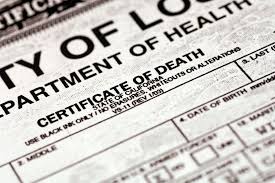 Most cases involve drivers under the age of 25. Nearly 30% of car accidents that result in a fatality are attributed to speeding. Nearly 33% of all fatalities are the result of reckless driving. In addition to fatalities caused by car crashes, thousand of fatalities result from medical malpractice, workplace accidents, and other tragic events each year. You can never be prepared for that phone call or knock at the door where you get the dreadful news that you have lost a loved one. In most wrongful death cases, both the deceased loved one’s estate and certain surviving family members will have a claim for damages resulting from the wrongful actions of the at-fault party.
Every 40 seconds, someone in America must seek medical attention as a result of a dog bite-related injury. A dog bite or dog attack usually leaves permanent scars that can severely disfigure a person. Often the attack also leaves the victim with severe post-traumatic stress syndrome (PTS). On rare occasions, there are deaths that are reported as a result of the most vicious attacks. Below is a list of the top ten most reported dog breeds:
Medical Malpractice – Med Mal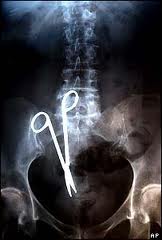
Wrong site surgery– operating on the wrong body part.
Retained surgical instruments– items left inside the patient.
Medication errors– Wrong drug or wrong drug dose is given to a patient.
Although most of our state’s medical professionals are very good hard-working professionals, there are those that are not. Medical mistakes can generally be categorized into two different areas. First, there are cases involving a breach of the “standard of care.” These range from obvious cases such as administering the wrong medication, leaving instruments in the patient, etc. The second area involves cases where the doctor fails to diagnose a condition when he or she should have. Put another way, medical malpractice can be defined as a doctor, nurse, resident, or other medical professional’s failure to exercise the degree of ordinary care and skill that is required by his or her profession or specialty. it is also known as med mal.
 Traumatic brain injury (TBI) and concussions from accidents such as motor vehicle collisions are the most common cause of seizure disorders, blackouts, and epilepsy. These injuries may be referred to as mild, moderate, or severe. Many different forms of brain injury may result in these conditions. The symptoms of these injuries can have severe and long-lasting effects on all aspects of an individual’s life. Traumatic brain injuries and concussions are serious and can be permanent. It is extremely important to get the proper medical attention and contact an attorney who has a long history of handling these types of injuries. Bob Edens and his staff have over 20 years of experience handling traumatic brain injuries and concussion cases and can get you the money you deserve for your injuries.
 Our elderly families and loved ones are easy targets to be victimized and abused. They are all too often weak and too sick to protect themselves or even communicate the abuse they are being subjected to by nursing home staff. Even if they are capable enough to report the neglect or abuse they are being subjected to, they are often reluctant to report it for fear of retaliation. Elder abuse has been steadily on the rise over the last several years. Currently, 1 in 14 elderly adults is subjected to physical, emotional, or sexually abused, financially exploited, neglected, and even abandoned. It is estimated that as much as 84% of abuse is not reported.
Most auto accidents and other events do not result in injury. However, when they do cause injury those injuries can be severe and often can impact almost every aspect of a person’s life. These types of events are truly life-changing. This is why you need an experienced attorney who understands your injuries and how to get you the most money available under the law. Below is a list of just some of the injuries that Bob and his staff have handled over the 20 years that they have been practicing personal injury:
 Once you have been seen by your doctor and he has thoroughly examined you and diagnosed your injuries, he or she will prescribe a treatment plan. The treatment plans vary in type as much as the various diagnosis they are designed to cure or help. They can be as simple as the taking of medication to the most complex of surgeries. Most often doctors will start an injured party’s treatment with what is referred to as conservative treatment and if that doesn’t work the treatment will be escalated until the desired solution is reached or it is determined that there is no more that can be done. Below is a list of just some of the treatments that are common to accident-related injuries that Bob and his staff have dealt with over their 20 years of experience:
If you or someone your love has been injured due to someone else fault, Bob and his staff can help you win your case and ensure that you get the most money that the law allows. If insurance adjusters are telling you they won’t pay because you weren’t injured or because you were at fault then you should call Bob today to set up a FREE honest opinion of the value of your case.
Bob will go over the facts of your case in detail and advise you of all of your options. He will tell you about the personal injury claims process from beginning to end. If your case can’t be settled, Bob and his staff have over 20 years of experience taking cases to trial. Don’t let the insurance companies take advantage of you. Protect your rights and call Bob TODAY at (847) 395-2200.
Illinois personal injury law allows individuals who are harmed by the negligence or wrongful conduct of others to seek financial compensation. Whether the injury results from a car accident, slip and fall, medical error, or another incident, understanding the legal basics can help injured parties protect their rights. The following frequently asked questions address key aspects of Illinois personal injury law.
A personal injury claim is a civil action seeking compensation for injuries caused by another party’s negligence or intentional conduct. In Illinois, negligence generally requires proof that the defendant owed a duty of care, breached that duty, and caused damages as a result. Common personal injury cases include motor vehicle accidents, premises liability claims, workplace injuries, and product liability cases.
Illinois has a statute of limitations that limits the time to file a lawsuit. In most personal injury cases, the deadline is two years from the date of the injury. If the claim involves a government entity, shorter notice requirements may apply. Missing the deadline can result in the loss of the right to pursue compensation, regardless of the merits of the claim.
Injured individuals may seek compensatory damages for both economic and non-economic losses. Economic damages include medical expenses, lost wages, reduced earning capacity, and rehabilitation costs. Non-economic damages may cover pain and suffering, emotional distress, and loss of normal life. Illinois does not impose a general cap on compensatory damages in most personal injury cases.
Illinois follows a modified comparative negligence rule. An injured person may recover damages as long as they are less than 51 percent at fault for the accident. However, the total compensation will be reduced by the injured party’s percentage of fault. If a plaintiff is found to be 51 percent or more responsible, recovery is barred.
Not necessarily. Many personal injury claims are resolved through settlement negotiations with insurance companies before a lawsuit is filed or before trial. However, if a fair settlement cannot be reached, filing a lawsuit and proceeding to court may be necessary to protect the injured party’s interests.
The value of a claim depends on several factors, including the severity of the injuries, the cost of medical treatment, the impact on the injured person’s ability to work, and the degree of pain and suffering involved. Evidence such as medical records, expert opinions, and witness testimony plays a critical role in determining claim value.
While most personal injury cases settle, some do proceed to trial. Trials are more likely when liability is disputed or when the parties disagree on the value of damages. A trial allows a judge or jury to determine fault and award compensation based on the evidence presented.
Although not legally required, hiring an experienced Illinois personal injury attorney is strongly recommended. Attorneys understand procedural rules, negotiate with insurers, gather evidence, and advocate for maximum compensation. Most personal injury lawyers work on a contingency fee basis, meaning fees are only paid if compensation is recovered.
After an injury, seek medical attention promptly, document the incident, preserve evidence, and avoid giving recorded statements to insurance companies without legal advice. Taking these steps can significantly affect the outcome of a personal injury claim.
Understanding Illinois personal injury law empowers injured individuals to make informed decisions and pursue the compensation they deserve.
The Law Offices of Robert T. Edens, Personal Injury and Workers' Compensation Law Office, have offices in Antioch, Waukegan, Grayslake, Woodstock and Barrington. We represent clients throughout the communities of Antioch, Waukegan, Grayslake, Barrington, Woodstock, Buffalo Grove, Deer Park, Gurnee, Lake Zurich, Round Lake, McHenry, Cary, Crystal Lake, Libertyville, Lincolnshire, Mundelein, Vernon Hills, Wheeling, North Chicago, Zion, Inverness, Palatine, Wauconda, Island Lake, Fox Lake, Barrington Hills, Spring Grove, Lake Bluff, Lakemoor, Long Grove, Lake Villa, Kildeer, Wadsworth, Indian Creek, Fox River Grove, Lindenhurst and other cities within Lake and McHenry Counties Illinois.
© 2026 The Law Offices of Robert T. Edens, LLC., All Rights Reserved, Reproduced with Permission Privacy Policy | Sitemap | Disclaimer
Powered By