Auto Accidents and Wrongful Death

In the beautiful, bustling City of Chicago, car accidents are almost a fact of life. Just about every commuter here has either been involved in an accident him or herself, or knows someone who has. Auto accidents in Chicago range from the common fender bender to multiple vehicle pile-ups. Some simply disrupt the driver’s day, while others disrupt entire lives. When one driver behaves negligently on the road and causes damage to you or your vehicle, the law requires that driver to compensate you for the damage. When a driver behaves recklessly and causes a fatality, the family of the deceased is entitled to compensation. This is known as a wrongful death claim.

Wrongful Death

In Illinois, the controlling law in this type of suit is known as the Illinois Wrongful Death Act. The Act allows the surviving spouse or children of the deceased to bring a claim against a defendant whose negligence caused the death. In order to bring a wrongful death claim, the plaintiff must show:

  1.     The defendant owed a legal duty to the deceased victim;
  2.     The defendant breached that duty; and
  3.     The plaintiff sustained pecuniary damages as a result of the breach.

Pecuniary Damages

Pecuniary damages are monetary damages. Illinois law allows a plaintiff, bringing suit on behalf of the deceased, to recover monetary damages for “money, benefits, goods, and services the decedent customarily contributed in the past,” and the “money, benefits, goods, and services the decedent was likely to have contributed in the future.” Courts will generally presume that a child or spouse will suffer a loss of companionship where the spouse or parent has died in an untimely manner. Unless the defendant can show otherwise, such as showing the spouse or child did not speak to the deceased, the court will presume the plaintiff is entitled to some amount of pecuniary damages.

Auto Accidents

The Illinois Department of Transportation reports that in 2012 there were 956 crash fatalities on Illinois roads. That’s 956 parents, husbands, grandparents, wives, and children who never returned home to their loved ones. Many of these accidents were the result of the negligence of a driver on the Illinois roads. Each and every driver in Illinois owes a duty to operate their car in a reasonable manner on the roadways. When a driver breaches this duty, injuries and property damage can result. Under Illinois law, drivers who behave negligently and cause injury or property damage are responsible to compensate those who are injured. This is especially true where the injury results in a fatality and deprives a family of one of its members.

Auto Accident Wrongful Death Statistics

Auto accidents remain one of the most critical issues facing public safety, consistently ranking among the leading causes of wrongful death cases in the United States. Each year, the tragic loss of thousands of lives can be attributed to factors such as negligent driving, alarming rates of speeding, and the pervasive impact of impaired driving.

Wrongful Deaths from Auto Accidents

According to the Centers for Disease Control and Prevention (CDC), motor vehicle traffic fatalities reached a staggering total of 44,534 in 2022 alone. This distressing figure highlights the grave reality that these deaths constitute a significant portion of unintentional injury-related fatalities in the country. In the state of Oregon, for instance, 599 fatal accidents claimed lives in 2021. While this figure specifically pertains to Oregon, similar patterns are evident across the entire United States, which underscores the widespread devastation that auto accidents impose on families and communities alike.

Common Causes of Auto Accident Wrongful Deaths

A variety of factors contribute to the occurrence of fatal car crashes, including:

Distracted Driving – The use of cell phones and other distractions not only diverts drivers’ attention but also significantly heightens the risk of fatal accidents. Even a momentary lapse in focus can lead to devastating outcomes.

Speeding – Operating a vehicle at excessive speeds dramatically reduces a driver’s reaction time and exacerbates the severity of crashes. Speeding transforms minor collisions into catastrophic incidents.

Driving Under the Influence – Alcohol and drug-related accidents remain a persistent threat, serving as a leading cause of wrongful deaths on the roadways. Impairment diminishes judgment and coordination, turning everyday driving into a perilous endeavor.

Failure to Yield – Many fatal accidents tragically unfold at intersections where drivers neglect to yield the right of way. This failure often leads to heartbreaking and avoidable fatalities.

Weather Conditions – Adverse weather conditions such as rain, snow, and fog compromise visibility and create hazardous driving situations, increasing the likelihood of accidents.

Legal and Financial Impact

Fatalities resulting from auto accidents lead to wrongful death claims that often result in settlements and compensation amounting to millions of dollars for the affected families. These claims play a vital role in covering a range of expenses, including medical bills, funeral costs, lost wages, and the emotional suffering endured by grieving families.

Prevention and Safety Measures

To combat the frequency of wrongful deaths caused by auto accidents, the United States government promotes several proactive measures, including:

  • Stricter enforcement of traffic laws aimed at penalizing reckless and negligent driving behavior, reinforcing the seriousness of road safety.
  • Public awareness campaigns designed to educate drivers about safe driving practices, highlighting the importance of attentiveness and responsible behavior behind the wheel.
  • The development and implementation of improved vehicle safety features to mitigate the impact of collisions, providing an extra layer of protection for all road users.

Waukegan Personal Injury & Auto Accident Lawyers

Contact Our Cook County Auto Accident and Wrongful Death Attorneys

By understanding the statistics surrounding auto accident wrongful deaths, policymakers and communities can better prioritize safety improvements. Ultimately, by embracing responsible driving habits, motorists can play a pivotal role in reducing fatalities and fostering safer roads for everyone.

If your loved one has been the victim of a fatal car accident, you are entitled to receive compensation for your loss. Proving exactly how much you are entitled to is difficult and can be complicated by the involvement of an insurance adjuster. During a time of grieving this process can become overwhelming. Contact the Law Offices of Robert T. Edens, P.C. at (847) 395-2200 for a free consultation.

As An Independent Contractor How Do I Collect Workers’ Compensation?

Independent ContractorIf you’re an independent contractor, one of your major concerns might be whether you can collect workers’ compensation or not. This guide will provide you with a comprehensive answer:

Workers’ Compensation in Illinois

In Illinois, independent contractors are not eligible for workers’ compensation. However, the criteria for a person to be called an independent contractor or an employee (employees are eligible for workers’ compensation in Illinois) are different under Illinois Workers’ Compensation law than in other states. Let’s find out what exactly is meant by independent contractors:

Defining Independent Contractors

Independent contractors are self-employed individuals or freelancers who are temporarily hired by companies to deliver specific tasks without joining them as employees. According to the Internal Revenue Service (IRS), a worker is only regarded as an independent contractor when the employer has the right to direct or control only the outcome of the work and not what work is being performed or how it’s being performed.

In the state of Illinois, there are numerous cases where legitimate employees are wrongly categorized as independent contractors in an attempt to deprive them of workers’ compensation benefits and thereby save significant amounts of money. When such workers get injured or disabled while performing the work they’ve been assigned, they should seek legal representation to claim their rights.

This means that even if you signed an independent contractor agreement and received 1099 income, you may still be considered an employee.

The Robertson vs. Industrial case is a clear example of how a trucker who was referred to as an independent contractor was entitled to workers’ compensation, according to the Illinois Supreme Court ruling.

When Are You Considered an Employee in Illinois?

If following cases, you’ll be considered an employee and are wrongly classified as an independent contractor:

  • The employer gave you a work schedule that you are bound to follow; you weren’t given the freedom to set your own hours
  • You are exclusively bound to the employer and can’t work for someone else
  • You’re provided with a uniform by your employer
  • You don’t use your own equipment or materials; your employer provides the tools to you
  • Your employer took taxes out of your paycheck
  • You were given specific instructions by your employer for how the job needs to be done; you were not allowed to follow your own approach

If your employer claims that you’re an independent contractor, but one or more of the points stated above holds true, you may be considered an employee that qualifies for workers’ compensation benefits under Illinois law.

Questions About Independent Contractors And Workers’ Compensation

 Do Independent Contractors Qualify for Workers’ Compensation?

In the majority of states, independent contractors are generally not covered by workers’ compensation laws. This distinction arises because independent contractors function as self-employed individuals rather than traditional employees. Therefore, they bear the responsibility for arranging their own insurance and benefits. However, it’s important to note that some states have specific exceptions where particular types of independent contractors may qualify for workers’ compensation coverage, potentially based on the nature of their work or the industry in which they operate.

Can Independent Contractors Purchase Workers’ Compensation Insurance?

Yes, independent contractors have the option to purchase workers’ compensation insurance to cover themselves in the event of a work-related injury or illness. This insurance provides essential financial protection, offering medical benefits and wage replacement in situations where they may be unable to work due to injury. In high-risk industries, such as construction or agriculture, independent contractors may be legally required to carry this insurance as part of their contractual agreements, both to safeguard their well-being and to protect the interests of the hiring business.

How Do Businesses Determine Worker Classification?

Correctly classifying workers as either employees or independent contractors is crucial for employers. Misclassification can result in severe legal penalties and financial liabilities. Several key factors guide this classification process:

Control Over Work – Employees typically adhere to company policies and guidelines, working under the supervision of their employer, while independent contractors enjoy greater autonomy, setting their own schedules and methods for completing their tasks.

Financial Independence – Independent contractors are often responsible for using their own tools, equipment, and resources to complete their work projects. In contrast, employees usually rely on materials and equipment provided by their employer to perform their job duties.

Contractual Agreements – A well-defined formal contract is an essential document that outlines the nature of the working relationship. It can provide clarity regarding the rights, responsibilities, and scope of work for both parties, thereby assisting in accurately classifying the worker.

What Happens If an Independent Contractor Is Injured on the Job?

If an independent contractor sustains an injury while performing their work, they typically cannot file a workers’ compensation claim against the hiring company. This is primarily because independent contractors are responsible for securing their own insurance coverage. In the event of an injury, they may need to rely on their personal health insurance or private disability insurance for coverage.

Alternatively, if the injury was caused by negligence or unsafe conditions created by the hiring company, they may have the option to pursue legal action to seek compensation for their injuries and related damages. To mitigate risks associated with workplace injuries, some businesses choose to provide liability coverage or include clauses in their contracts that require independent contractors to obtain and maintain their own insurance.

Should Independent Contractors Consider Additional Coverage?

In addition to obtaining workers’ compensation insurance, independent contractors should also consider other types of coverage that can bolster their financial protection, including:

General Liability Insurance – This coverage protects against claims of third-party injuries or property damage that may occur as a result of their business operations. It is particularly important for contractors whose work involves interaction with clients or the public.

Disability Insurance – This type of policy offers income protection in case of long-term injuries or illnesses that prevent the contractor from working. It can provide financial security during a challenging recovery period.

Health Insurance –  Securing health insurance is crucial for covering medical expenses that are unrelated to work injuries. Independent contractors should explore various health insurance plans to ensure they have adequate coverage in place for general health needs.

Understanding the complexities of workers’ compensation in relation to independent contractors is essential for both freelancers and businesses. Proper classification of workers, comprehensive insurance coverage, and a solid understanding of legal responsibilities can greatly reduce disputes and enhance financial protection in the case of workplace injuries. Taking proactive steps in these areas can ensure a safer working environment and help both independent contractors and businesses thrive

See more on our Illinois Workers’ Compensation FAQs page.

Personal Injury Attorney

Hire Our Top-Rated Illinois Workers’ Compensation Attorney

Workers’ compensation serves as a vital safety net for employees who experience injuries or illnesses related to their work. However, the situation becomes more intricate when considering independent contractors. Many business owners, freelancers, and independent contractors themselves have pressing questions regarding their entitlement to workers’ compensation benefits and the specific mechanics of coverage in their cases.

However, it can be a big challenge to prove that you’re an employee, not an independent contractor. An Antioch workers’ compensation lawyer can make life considerably easy for you. Hire Robert T. Edens, who has 20 years of experience in fighting for the rights of employees. His law firm has recovered millions of dollars for clients up till now.

Common Causes of Auto Accidents

Car Accident AttorneyMore than 2 million people are injured in car accidents in the U.S. every year and many succumb to their injuries. With the rise of distraction triggers and smartphones, that number is increasing annually as-is business for a car accident attorney. Here are some of the most common causes of auto accidents not only in Illinois but across the U.S.

Distracted Driving

With the proliferation of smart devices, distracted driving has become a chronic condition. How many times have you driven past a driver who was busy looking at their phone rather than the road? The danger lies not in the act itself, but how often it is indulged. Other distractions can include:
Putting makeup on when you are driving or eating while you are behind the wheel can become a habit.

  • Adjusting the music or navigation systems, causing lapses in concentration.
  • Eating or drinking while driving, a multitasking effort that can lead to dangerous spills or lost focus.
  • Engaging in lively conversations with passengers, where the excitement can draw attention away from the important task of driving.

Even a momentary distraction can have devastating consequences. In 2023 alone, distracted driving resulted in 3,275 tragic deaths and left nearly 325,000 individuals injured. Unfortunately, a split second of inattention is all it takes for an accident to take place.

Driving Under the Influence

Drunk driving is one of the main reasons for road accidents – and for good reason. However, several accidents are also caused by drug abuse from substances such as marijuana, cocaine and even prescription medication. Any individual who uses a substance that causes drowsiness or impairs judgment has no business being behind the wheel of a car. In 2022, the repercussions were staggering—drunk driving claimed the lives of 13,524 people, accounting for a shocking 32% of all traffic fatalities.

If you find yourself in such a situation, do the responsible thing and call a friend or an Uber to drop you at home. You will save your life and others as well. If you are involved in an accident because of a drunk driver, call a car accident attorney as soon as possible.

Speeding

In 2022, speeding played a role in 29% of all traffic fatalities, culminating in the tragic loss of 12,151 lives. Depending on the size and speed of the vehicle, high-speed accidents are usually fatal for victims who unfortunately cross their path. It is a common practice for motorists, and it is illegal because it increases their chances of losing control.

After all, the faster a car or truck travels, the longer it can take to slow down. Even a small increase in velocity can result in a fatal or injurious collision. Stay within the speed limits to prevent this from happening.

Reckless Driving and Road Rage

Reckless driving behaviors, such as aggressive tailgating, swiftly weaving through lanes, and blatantly ignoring traffic signals, contribute to a multitude of accidents. Road rage incidents, where drivers exhibit hostile and aggressive behavior, can escalate tension on the roads and lead to dangerous collisions, creating a volatile driving environment.

Poor Weather Conditions

Adverse weather conditions—like heavy rain, snow, fog, and icy roads—greatly heighten the risks of driving. Wet or icy surfaces reduce the tires’ grip, increasing the likelihood of skidding, hydroplaning, or losing control altogether. During inclement weather, drivers should exercise caution by reducing speed and maintaining a safe following distance to navigate these treacherous conditions safely.

Running Red Lights and Stop Signs

Disregarding traffic signals is a prevalent cause of accidents at intersections. Ignoring the critical instruction of a red light or failing to stop at stop signs can result in high-impact collisions, often leading to severe injuries or fatalities for those involved.

Drowsy Driving

Driving while drowsy poses serious dangers, as fatigue significantly impairs a driver’s ability to concentrate and respond swiftly to unexpected situations. This risk is particularly pronounced on long highways, where monotony can lead to decreased alertness and increased chances of accidents.

 Vehicle Defects and Mechanical Failures

Mechanical failures, such as malfunctioning brakes, worn-out tires, and engine problems, can turn a simple drive into a disaster. Regular inspection and maintenance of vehicles are vital to keep them in optimal condition and ensure they are safe for travel.

Prevention and Safety Measures

To effectively reduce the risk of car accidents, drivers should commit to several essential safety practices:

  • Remain fully focused on the road, eliminating all distractions.
  • Never operate a vehicle under the influence of alcohol or drugs, understanding the life-threatening risks involved.
  • Adhere to posted speed limits and adjust speeds according to road conditions and traffic flows.
  • Stay vigilant at intersections and honor all traffic signals to prevent collisions.

Ensure that vehicles receive routine maintenance to prevent mechanical issues that could compromise safety. By educating themselves about the common causes of car accidents, drivers can make informed decisions that prioritize their safety and the safety of others. Embracing responsible driving habits is a collective effort that can lead to a significant reduction in accidents and fatalities on our roads.

Car accidents are a daily reality across the United States, often resulting in serious injuries, tragic fatalities, and significant financial burdens. While some collisions are unavoidable due to unforeseen circumstances, a substantial number stem from preventable factors. Gaining a clear understanding of the most prevalent causes of car accidents can empower drivers to take proactive steps, ensuring they stay safe on the road.

Personal Injury Attorney

Contact Our Lake County Car Accident Lawyer

If you or someone you know has been involved in an accident because of a drunk, distracted or speeding driver, contact a car accident attorney at The Law Offices of Robert T. Edens at (847) 395-2200 today. We have more than two decades of experience representing victims like you and can ensure you get the compensation you deserve. We can even visit whether you live in Libertyville, Waukegan, Woodstock, Chicago or Antioch, Illinois.

3 Ways to Prevent Distracted Driving On Illinois Roads

Personal Injury AttorneyWe live in a society that thrives on multi-tasking. Do you eat breakfast while driving to work or text an important client while behind the wheel? If you answered yes to either of those, you are in danger of either crashing into another vehicle, a pedestrian or flipping over. While multi-tasking can help you complete your to-do list faster, it can result in injuries or worse when you complete these tasks while driving.

According to Illinois’ distracted driving law, if you are found to be involved in distracted driving, you will be charged with hefty fines. Here are some ways you can prevent innocent drivers and people from getting injured and avoid those fines.

Use Your Phone Only for Emergencies

Turn off your phone before getting behind the wheel. If that isn’t possible, only address emergency calls. Plus, when you get a call you cannot ignore, pull over to the side of the road and then pick up. You can also use a hands-free device to answer calls if you are in a hurry. That way, your eyes will remain on the road and both your hands will remain on the steering wheel.

Pull Over If You Feel Drowsy

According to the National Highway Traffic Safety Administration, driving while drowsy is one of the main causes of crashes and injuries on the road. Even if you are proud of your driving skills, if you drive when you are sleepy, you will put yourself and others in danger.

Don’t get high on coffee in a bid to stay awake and don’t try to get to your destination faster. Just pull over and take a quick nap. Better yet – take the day off and get some sleep.

Choose Your Passengers Carefully

If you have small children who can get a bit rambunctious on long drives, make sure you have an adult partner with you as well. That way you can keep your attention on the road and your partner will ensure the kids remain in the back seat.

If you are a teen driver, limit the number of friends you give a ride to. Over excited passengers can distract you, which can result in an accident.

Illinois Distacted Driving Statistics

Distracted driving remains a significant concern in Illinois, accounting for thousands of crashes, injuries, and fatalities each year. Despite ongoing efforts to raise awareness and enforce stricter laws, a large number of drivers continue to engage in behaviors that divert their attention away from the road, thereby endangering themselves and other road users.

Driver Inattention Causes Over One Million Crashes A Year

According to data from the Illinois State Police, driver inattention is implicated in over 1 million crashes across North America each year. This staggering figure underscores the severity of the issue, often leading to life-altering injuries and fatalities. Notably, research indicates that using a cell phone while driving increases the likelihood of being involved in a crash by a staggering 400%.

This statistic highlights how prevalent and dangerous this particular distraction has become. In response to this growing concern, Illinois has enacted stringent laws aimed at curbing distracted driving behaviors. One of the most significant measures is the ban on handheld cell phone usage while driving. Despite these laws, challenges in enforcement persist. Many drivers continue to engage in risky behaviors that endanger themselves and others on the road.

Common Causes of Distracted Driving

Several key factors frequently contribute to distracted driving incidents in Illinois:

Cell Phone Use – Engaging in texting, making calls, or using apps while driving diverts attention from the road and significantly increases the risk of accidents.

Eating and Drinking – Consuming food or beverages can be distracting, as drivers may divert their eyes from the road or take a hand off the wheel to handle items.

Passenger Distractions – Interactions with passengers, whether through conversation or assisting with navigation, can lead to lapses in attention.

Adjusting Vehicle Controls – Changing settings such as radio stations, climate control, or GPS directions can pull a driver’s focus away from the road, increasing the risk of a crash.

Personal Grooming – Habits like applying makeup or fixing hair while driving are not uncommon, and these actions can significantly distract drivers from their primary task of driving.

Legal and Financial Impact

The consequences of distracted driving are far-reaching, resulting in millions of dollars in damages, medical expenses, and legal claims each year. In Illinois, law enforcement agencies are continuously working to issue citations for distracted driving violations. Increasing awareness and the legal ramifications serve as deterrents; however, the prevalence of distracted driving indicates that the issue is far from resolved.

Prevention and Safety Measures

To combat the rise in distracted driving incidents, Illinois has initiated several preventive measures:

Public Awareness Campaigns – The state runs educational campaigns designed to inform drivers about the dangers of distracted driving and the importance of staying focused on the road.

Stricter Enforcement of Traffic Laws – Law enforcement agencies are increasing efforts to enforce traffic laws related to distracted driving, ensuring that violators face appropriate penalties.

Promotion of Hands-Free Technology – The state encourages the use of hands-free devices to help minimize distractions related to cell phone use, allowing drivers to stay connected without compromising their attention on the road.

Understanding the statistics and factors related to distracted driving in Illinois equips drivers with the knowledge needed to make safer choices behind the wheel. By embracing responsible driving habits and remaining vigilant, motorists can play an essential role in reducing the frequency of accidents and fatalities on the road.

Personal Injury Attorney

Contact Our Antioch Car Accident Lawyer Now

If you or someone you know has been involved in an auto accident and requires expert legal counsel to acquire damages, get in touch with us at the Law Offices of Robert T. Edens today. We will assign a team of expert car accident attorneys to your case who will protect your best interests and ensure you get the compensation you deserve.

Types of Injuries Illinois Workers Can Claim

Workers Compensation AttorneyA work-related injury can prevent you from earning an income to support yourself, your family and can deplete your savings. This is why Illinois has strict worker compensation laws in place – to protect workers. Your employer must ensure you are equipped with safety gear and ensure the workplace is safe to prevent injuries, or worse.
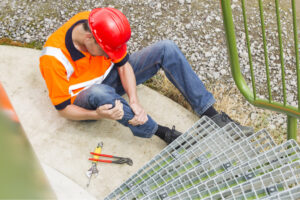
Here are common injuries you can claim compensation if you are injured at work:

Trauma from Repetitive Work

If you work in a factory or a place where you are required to repeat certain movements for hours, you can suffer from carpal tunnel syndrome. This can be anything from sprains resulting from prolonged typing or trauma injuries due to repetitive hammering etc. Since these condition results from such jobs, your employer is legally obliged to pay you for damages. Even if you must stand for long periods of time to complete a job, the recovery from the strain is also covered.

Physical Injuries

You can receive worker’s compensation for any physical injury you sustain in the course of your work duties. For example, if you burn yourself while soldering, fracture a bone after falling from scaffolding or get a cut trying to stop yourself from falling, you can recover benefits that can help you heal and recover faster.

What Workers’ Compensation Pays For

You should be paid for the following as compensation for your injuries:

  • Medication
  • First aid
  • Hospital care
  • Surgery, if needed
  • Emergency services
  • Prosthetics
  • Special wheelchair
  • Physical therapy or chiropractic care

You can only get these benefits if you inform your employer or HR about your incident as soon as possible. Typically, you have a 45-day deadline to do this. If you miss work for more than three (3) days because of your injuries, your employer must file an accident report on your behalf.

Illinois Work Injury Statistics

Workplace injuries are a pressing issue in Illinois, impacting a vast number of employees across diverse industries each year. Grasping the latest statistics can empower both workers and employers to adopt preventive strategies that enhance safety and mitigate risks.

Work Injuries in Illinois Align With National Average

In the year 2023, private sector employers in Illinois documented a staggering 101,400 nonfatal workplace injuries and illnesses. This statistic translates to a total recordable cases (TRC) incidence rate of 2.4 cases per 100 full-time equivalent workers, aligning with the national average. Among these injuries, approximately 64,500 cases required days away from work, job transfers, or restrictions—collectively known as DART cases—underscoring the serious nature of many of these incidents.

Industries Most Affected

Certain sectors within Illinois face disproportionately higher rates of workplace injuries, including:

Manufacturing – This vital industry reported a TRC rate of 3.1 in 2023, reflecting a slight decrease from 3.5 in the previous year, yet still revealing significant safety challenges.

Trade, Transportation & Utilities –  A significant number of injuries were reported from this sector, highlighting hazards that employees encounter in transit and logistics.

Education & Health Services – Workers in healthcare are particularly vulnerable, often grappling with injuries related to patient handling, which can lead to chronic physical strain.

Natural Resources & Mining – This industry recorded the highest TRC rate of 5.5 cases per 100 workers, indicating the perilous conditions that workers face in often hazardous environments.

Financial and Health Impact

The repercussions of workplace injuries extend far beyond immediate physical harm. They can result in prolonged medical expenses, lost income, and diminished productivity for affected workers. Illinois businesses bear significant financial burdens due to workers’ compensation claims and safety violations. Furthermore, data reveals that in 2021, over 86,000 emergency department visits in the state were linked to work-related injuries, reflecting the urgent need for improved safety measures.

Prevention and Safety Measures

To combat the prevalence of workplace injuries, Illinois is promoting a multi-faceted approach that includes:

  • Implementing stricter safety regulations aimed at preventing accidents and protecting workers.
  • Offering workplace training programs designed to educate employees about identifying and mitigating hazards in their work environment.
  • Developing enhanced reporting systems to effectively track potential risks and facilitate swift responses to safety concerns.

By comprehensively understanding workplace injury statistics in Illinois, businesses and employees can proactively take actionable steps toward creating safer working environments. If you or someone you know has experienced a workplace injury, seeking guidance from legal or medical professionals can provide crucial support and avenues for recovery.

Contact Our Illinois Workers’ Compensation Lawyers

If you or someone you know has been injured in the job or has been left paralyzed and they cannot work, they need aggressive legal representation. Get in touch with us at the Law Offices of Robert Edens at 847-395-2200 to see justice done and receive the compensation you deserve. After determining the details surrounding your case, we will assign a workers’ comp attorney who will ensure your rights are not ignored or violated. This includes making sure your employer pays you for damages during your recovery period. We represent workers in Chicago, Libertyville, Woodstock, Waukegan and Antioch.

Types of Auto Accidents

Auto Accident AttorneyAuto accidents represent one of the most significant threats to safety on American roads, consistently ranking as a leading cause of injuries and fatalities. Millions of crashes are reported annually, and understanding the various types of accidents and their statistical implications can empower drivers to take proactive measures and enhance road safety for everyone.


Common Types of Auto Accidents

Rear-End Collisions

These types of accidents occur when one vehicle crashes into the back of another, often as a result of distracted driving, such as texting or engaging with passengers. They can happen suddenly, especially during unexpected stops in traffic, and can lead to whiplash or other injuries for drivers and passengers alike.

Side-Impact (T-Bone) Accidents

These often devastating accidents typically happen at intersections when one vehicle strikes another from the side, resembling the shape of a “T.” The severity of such collisions can be exacerbated by high speeds and can lead to catastrophic injuries, particularly when a vehicle is struck on the driver’s side.

Head-On Collisions

Among the most perilous and life-threatening types of accidents, head-on collisions involve two vehicles coming into direct contact with each other, often at high speeds. The immense force of impact in these scenarios frequently results in serious injuries or fatalities, highlighting the critical importance of strict adherence to driving regulations.

Single-Vehicle Accidents

These incidents involve just one vehicle and can occur for various reasons, such as losing control on slippery roads, hitting stationary objects, or accidentally running off the roadway. While they may seem less dangerous, they can still lead to severe injuries and property damage.

Multi-Vehicle Pileups

Often seen on busy highways, multi-vehicle pileups occur when several vehicles become involved in a chain reaction collision. These complex scenarios can result in extensive damage and a high number of injuries, making rescue operations particularly challenging.

Hit-and-Run Accidents

In these troubling situations, a driver leaves the scene immediately after causing an accident. This not only adds emotional stress for victims seeking help but also complicates their chances of receiving compensation for damages and injuries, as identifying the responsible party can become an arduous task.

Pedestrian and Bicycle Accidents

Collisions involving pedestrians or cyclists are alarmingly common and often lead to severe injuries. The lack of protection for those on foot or on bikes makes these accidents particularly dangerous, emphasizing the need for drivers to be vigilant and aware of their surroundings.

Auto Accident Statistics in the U.S.

In the year 2022, the grim reality of auto accidents saw 42,514 lives tragically lost due to fatal car crashes, accompanied by another staggering 1.66 million incidents resulting in injuries. Speeding accounted for nearly 29% of all traffic fatalities, contributing to a heartbreaking total of 12,151 deaths, highlighting the need for speed awareness and adherence to posted limits.

Drunk driving, a constant menace on the roads, was responsible for 13,524 fatalities, representing 32% of all traffic-related deaths, underscoring the critical importance of designated drivers and public awareness campaigns. Hit-and-run accidents tragically involved 1,910 pedestrian fatalities, which made up 25% of all pedestrian deaths, reinforcing the necessity of accountability and responsible driving.

The financial burden of motor vehicle accident injuries in 2022 is staggering, estimated at approximately $481.2 billion, illustrating the vast economic impact and the urgent need for preventative strategies.

Prevention & Safety Measures

To effectively reduce the occurrence of auto accidents and enhance safety for all road users, drivers should adhere to the following crucial preventative measures:

  • Avoid distractions, such as texting or using mobile devices while driving, to maintain full attention on the road.
  • Respect speed limits and make necessary adjustments based on current road conditions, such as weather or traffic density.
  • Never drive under the influence of alcohol or drugs, as impaired judgment significantly increases the risk of accidents.
  • Always buckle up, ensuring that every occupant in the vehicle wears a seat belt to mitigate injury risks in the event of a collision.

Remain vigilant at intersections, as they are common sites for side-impact accidents, and take extra precautions when navigating these areas. By deepening our understanding of the different types of auto accidents and their statistics, drivers can make informed decisions that prioritize safety on the road. Through responsible driving habits and a commitment to road safety, we can collectively work towards reducing the frequency and severity of accidents, ultimately saving lives and protecting our communities.

Auto Accident Questions

Can the type of auto-accident affect your personal injury claim?

If you are involved in an auto accident caused by the negligence or fault of another person, you can file a personal injury claim to receive compensation. The type of accident does not have a significant bearing on your claim but you can use it to prove negligence. For instance, a head-on collision can be used to augment your argument that you were a victim of the defendant’s reckless and careless behavior.

Proving the negligence or recklessness of the defendant is an integral aspect of establishing liability. Once you or the auto accident lawyer representing you has established liability, you can receive compensation for the injuries and pain you may have suffered due to the defendant’s negligence.

What should you do if you are involved in any type of auto accident?

The first and foremost thing you must do is inform the authorities. Calling the relevant authorities would get you immediate medical attention and the gives the police the opportunity to collect evidence. Secondly, you must assess the damage you have suffered due to the accident, both physically and monetarily. Once you have recovered enough, you should file a personal injury claim as soon as possible. In some rare cases, the person at fault would voluntarily compensate you for the damage caused so that you won’t need to go to court. But in most instances, people do not admit fault which is why a vast majority of auto accident cases are decided in courts.

Personal Injury Attorney

Contact Our Antioch Car Accident Lawyers Now

If you or someone you know has been involved in an auto accident and you wish to discuss your case with an auto accident lawyer, contact The Law Offices of Robert T. Edens, P.C. today at 847-395-2200 to speak with an experienced attorney.

How To Avoid Common Work-Related Injuries

workers compensation lawyer in AntiochWorkplace accidents are all too common and can cause major issues, especially for employees. Injured team members can spend months recuperating and lose out on precious job opportunities. While workplace compensation can help them during this difficult time, employers can do their part by reducing common work-related injuries using the tips mentioned below:

Ensure Workspaces Are Clean

A tidy workplace is an injury-free workplace. A cluttered and unclean area is prone to dangerous hazards. Loose wires can make people trip, stacked boxes can fall on unsuspecting individuals and faulty wiring can lead to a fire that can spread fast in clutter.

Whether the workplace is a manufacturing warehouse or an office cubicle, a clean and organized environment can reduce the chances of accidents tenfold.

Implement A Workplace Injury Prevention Program

The best way to ensure that employees don’t get injured in the workplace is via a proper workplace prevention program. The program can train employees to be aware of hazards so that they can prevent accidents from happening in the first place.

A typical workplace injury prevention program should contain the following:

  • Worker participation.
  • Management leadership.
  • Hazard identification and evaluation.
  • Education and training.
  • Hazard prevention and control.
  • Training and education.

If properly implemented and maintained, the program will encourage employees to report hazards and respond to them proactively if need be. It will also reduce workers’ compensation claims.

Prevent Workplace Violence

Employees who cannot control their temper can get into fights in the workplace, which can lead to serious injuries. These can be prevented if said employees are screened out during the hiring process. However, some may slip through the cracks and make the workplace hazardous for others.

Employers can still prevent injuries by educating employees on warning signs that an individual may become violent:

  • An emotional reaction to setbacks and criticism.
  • A serious dip in job performance.
  • Inability to resolve conflicts.
  • Unreasonable demands.
  • Verbal threats and/or inappropriate comments.
  • Company policy violations.
  • Bullying or intimidating behavior.

Once a violent employee is identified, employers should take steps to help them and protect the team from them. Start by documenting their interaction with employees and seek advice from Human Resources for the best steps moving forward.

What To Do If An Employer Delays Or Refuses Compensation

Unfortunately, while the aforementioned tips on how to avoid common work related injuries can work, some accidents are unavoidable. For those circumstances, employees should have adequate workers’ compensation coverage so that they don’t have to worry about expenses such as medical bills. However, if injured employees are denied worker’s compensation, they have the right to sue.

Contact Our Illinois Workers’ Compensation Lawyers

If you have been injured on the job, get in touch with our Illinois workers’ comp lawyers at the Law Offices of Robert Edens today at 847-395-2200. Robert ‘Bob’ Edens and his staff have been fighting for the rights of workers who got injured because of someone else’s negligence for years. We offer our services in Chicago, Waukegan, Libertyville, Woodstock, and Antioch, IL. Get in touch with us for a free consultation today!

Everything You Need to Know About Wrongful Deaths

Wrongful Death AttorneyThere are chances that if you have lost a loved one, family member, or friend in an accident, it could be a wrongful death case. Quite often, people tend to accept the fact that the death was an accident and do not question or challenge it. Irrespective, one should not rule out the chances of it happening due to an ‘accident’ only. Many people are not aware and do not know enough about wrongful deaths.

When a loved one is lost in an accident, it gets extremely difficult to decide whether compensation should be retrieved or not. By critically evaluating the wrongful death FAQs, families of the deceased can then make up their mind if they would want to go ahead with the retribution. Regardless, it is always a wise idea to have a wrongful death lawyer by your side during these tough times.

What is a Wrongful Death?

A death cause by either an accidental or intentional act of another is known as wrongful death. Because of this, a family member of the deceased files a claim for wrongful death to retrieve compensation that covers medical bills, funeral expenses, as well as support the family of deceased individual. It goes without saying that this is a controversial topic and requires eye witnesses to prove that someone’s wrong actions resulted in an individual’s death. These include, but are not limited to:

  • Work accident
  • Car crash
  • Animal attacks
  • Slip and fall accident
  • Medical malpractice

For instance, a car driver breaking the law and running through a stop sign crashes into another car or driver. If this results in death of the person on impact or a doctor makes an obvious medical error during surgery which results in a death, the family members have the right to file for compensation.

Who can file a wrongful death claim?

Typically, the claim can be filed by the family members of the victim in order to retrieve compensation for the incident. These are usually referred as “real parties in interest.” The eligibility criteria widely varies from state to state, but eligible survivors could be immediate family members, life partners, financial dependents, and distant family members.

Who may be sued in a wrongful death case?

The person who is sued in a wrongful death case is closely associated with the incident. For instance, if your loved one was a victim of a car crash that involved a drunk driver, you can seek compensation from the drunk driver, the person who either sold or served alcohol to the driver, and the alcohol business owner.

Illinois Wrongful Death Statistics

Wrongful death cases in Illinois arise from a variety of incidents that result in the tragic and untimely loss of life due to negligence or intentional misconduct by another party. These incidents can include medical malpractice, workplace accidents, motor vehicle crashes, defective products, and other forms of wrongful acts. The primary objective of pursuing a wrongful death lawsuit is to provide financial compensation to the families left behind, helping them cope with the emotional and financial repercussions of their loss. By comprehending the latest statistics and trends, individuals can better advocate for safer practices and policies within their communities.

Causes of Wrongful Death in Illinois

In recent years, Illinois has seen a substantial number of wrongful death claims. According to statistical reports, these claims stem from various causes, including but not limited to:

Motor Vehicle Accidents – These remain one of the most prevalent sources of wrongful death claims. Careless driving, impaired driving, speeding, and distracted driving contribute to fatal crashes that often result in legal action. Distracted driving is a growing issue, particularly with the prevalence of smartphones. Driving under the influence of drugs or alcohol also dramatically increases the likelihood of fatal accidents.

Medical Malpractice – This can occur in many forms, such as misdiagnosis, surgical errors, or inappropriate treatment plans. The complexities of medical malpractice cases often require extensive legal expertise to navigate. Medical professionals may fail to adhere to established standards, resulting in negligent care that can lead to deadly outcomes.

Workplace Accidents – Environments such as construction sites, manufacturing facilities, and other industrial workplaces pose significant hazards. Poor safety protocols and inadequate training can lead to fatal accidents among workers.

Defective Products – Unsafe or malfunctioning consumer products can cause severe injuries and fatalities. Manufacturers and companies can be held liable when due diligence in product testing and safety measures fails. Companies that neglect product safety standards can face significant legal repercussions if their products cause fatalities.

Unsafe Working Conditions – Lack of proper safety gear, inadequate training, or equipment malfunction can significantly increase the risk of fatal incidents in hazardous environments. –

Financial and Legal Impact

The financial implications of wrongful death are profound for the surviving family members. Wrongful death settlements in Illinois can vary widely depending on the specifics of each case. Some notable settlements illustrate the potential financial outcomes:

$2.9 million – Awarded for the wrongful death of an infant due to medical negligence, including failure to diagnose a life-threatening condition in a timely manner.

$4 million –  Allocated to the family of a young girl who tragically died of meningitis after being misdiagnosed, underscoring the critical importance of accurate medical assessments.

$3.37 million –  Obtained from the City of Chicago, highlighting the consequences of emergency response delays which contributed to a caller’s death.

$4.7 million –  Awarded to the family of a construction worker who suffered a fatal injury due to defective equipment, bringing attention to the need for stringent safety regulations in the workplace.

Settlements are designed to cover a range of expenses, including funeral costs, medical bills, lost wages, and compensation for emotional distress experienced by surviving family members. ### Prevention and Advocacy In an effort to reduce the incidence of wrongful death, Illinois has enacted several measures aimed at fostering safety and accountability:

Stricter Workplace Safety Regulations – Amendments to safety laws and regulations have been put in place to safeguard workers, including regular inspections and the enforcement of compliance among employers.

Enhanced Medical Oversight – Illinois has initiated programs to improve medical practice standards, including the establishment of review boards to oversee malpractice claims and the promotion of continuous education among healthcare professionals.

Public Awareness Campaigns – Campaigns focusing on road safety, consumer protection, and emergency response awareness are being conducted to better educate the public about potential hazards and legal recourse. By understanding the full scope of wrongful death statistics and trends in Illinois, families can make informed decisions and advocate for enhanced safety practices within their communities. If you or a loved one has experienced the tragic consequences of a wrongful death, it is advisable to seek legal counsel to explore your options and ensure that you receive the support and justice you deserve

Personal Injury Attorney

Contact Our Illinois Wrongful Death Lawyers

If you are looking to get more information about wrongful deaths, call us at (847) 395-2200 to schedule an appointment with one of our representatives.

Are you Eligible for Workers’ Compensation?

Workers' Compensation AttorneyWorkers are the lifeline of any organization and play an integral role in running the economy of any country. In order to protect the rights and lives of millions of workers working in the United States, both federal and state governments set policies which protect workers’ rights. According to a report, almost 3 million workplace non-fatal injuries and ailments were reported while around 5000 workers lost their lives in just one year.

While the government strives to ensure all employees are provided safe and secure work environments, workers continue to suffer injuries and even face death due to unsafe working conditions. Fortunately, the workers can file a workers’ compensation claim to get compensated for their losses and medical expenses.

What is Workers’ Compensation?

At its core, workers’ compensation is the type of insurance which offers medical coverage and wage replacements to workers who get injured while they were employed. There are certain prerequisites you have to meet in order to be eligible for workers’ compensation. In Illinois, like many other states, a worker with an illness or injury that is work-related is entitled to receive benefits under workers’ compensation which, unlike their wages, are not taxable.

Eligibility Criteria

The state law comprehensively covers all the injuries which can be caused entirely or partially by the worker’s job. It also takes into account and covers all pre-existing medical conditions which can be potentially exacerbated by working conditions and the nature of the employee’s job. Even some work-related injuries sustained outside the workplace are covered by the aforementioned law. However, there are certain exceptions in which an employee cannot be eligible for workers’ compensation which include:

  • Injuries sustained by the employee while committing a grievous crime
  • Injuries sustained by the employee while he or she wasn’t at work
  • Self-inflicted injuries
  • Injuries sustained when the worker’s conduct violated the policies set by the employer

How can you seek workers’ compensation from your employer?

In order to get workers’ compensation, you must be able to demonstrate that you are eligible for it according to the criteria set by Illinois Workers’ Compensation Act. Most employees seek the guidance of an experienced workers’ compensation lawyer to substantiate their claim. It is imperative to file your claim as soon as possible as there is a statute of limitation, which means you cannot file a claim after 3 years.

Personal Injury Attorney

For more information on this subject or to schedule a free consultation, contact The Law Offices of Robert T. Edens, P.C. today at 847-395-2200 to speak with an experienced workers’ compensation attorney.

Slip and Fall Accidents in Shopping Malls

Slip and Fall AttorneyGoing for shopping in the holiday season is an activity everyone is eager about and looks forward to. Some people make plans with their loved ones to travel to the other side of the town to shop at an exclusive shopping center. Whether you are window shopping or purchasing a dress/suit from your favorite brand’s shop in a mall, you expect the premises to be free from any hazards.

Unfortunately, due to increased number of shoppers swarming shopping malls and mega stores, the safety is often compromised, leading to slip and fall accidents and causing mild and fatal injuries. Such establishments have a duty of care towards the visitors, customers, and shoppers and should make sure that the premises are safe. However, if you are injured due to a slip and fall accident, you may be entitled to receive a compensation for your damages.

Common Slip and Fall Accidents in Shopping Malls

Whether you are shopping at an open-air or enclosed mall, there are certain risks that you may be exposed to during the holiday season, such as:

  • Cracked tiles, unmarked torn carpeting, or a damaged stair or ramp
  • Spilled food and drinks in and around the food court
  • Slippery floor at the entrance due to snow and ice carried by incoming visitors
  • Slick interior surfaces, including wet floors
  • Poor lighting that makes it difficult to spot a hazardous condition
  • Malfunctioning escalators
  • Items and products fallen between the aisle or on the floor, partially blocking the pathway
  • Ice and snow that has not been cleared
  • Distractions
  • Debris from tree roots, stones, or rocks around the perimeter and parking lot
  • Cracked sidewalks and asphalt

Some hazards can cause serious injuries as well. According to a report, one of the major contributing factors for slip and fall injuries is spilled liquid or food. This can be a result of inadequate maintenance as well as the lack of cleaning staff in shopping malls.

Responsibilities of Shopping Mall Towards its Visitors

The management team of shopping malls has the duty to control hazardous situations and make sure that their premises are reasonably safe for everyone. Generally, shopping malls make a contract with tradespersons, trolley collection services, cleaners, and other third parties to maintain the premises and ensure that the environment is safe for visitors.

The following are the responsibilities of shopping mall management towards the customers:

  • Placing warning signs or roping areas that are under maintenance or around new constructions, while complying with safety regulations
  • Keeping floors clean, dry, and free of spills, food, and other hazards round the clock, not just after the mall has been closed
  • Fixing hazardous problems with floors, sidewalks, and stairways, in a timely manner
  • Making sure display units are secured and shelves are stacked properly
  • Ensuring proper lighting outside, inside, and in parking areas of the mall

Shopping Mall Slip and Fall Statistics

Shopping malls are vibrant hubs of activity that draw in thousands of visitors each day, bursting with the laughter of families, the hustle of shoppers, and the aroma of various cuisines wafting from food courts. However, beneath this lively atmosphere lies a significant concern: slip and fall accidents. These incidents can lead to severe injuries and costly legal claims, making awareness of the associated statistics crucial for both businesses and patrons looking to ensure a safe shopping experience.

The Prevalence of Slip and Fall Accidents in Shopping Malls

Slip and fall accidents rank among the most frequent causes of injuries in public locations, including bustling shopping malls. In the United States alone, slips, trips, and falls account for more than 8 million emergency room visits each year, establishing them as one of the leading culprits of unintentional injuries.

Shopping malls are particularly susceptible to such incidents, largely due to conditions like slick floors from cleaning or spills, uneven pavement, inadequate lighting, and cluttered pathways. Adverse weather conditions—such as rain, ice, and snow—further increase the likelihood of accidents, especially near entrances where shoppers transition between the outdoors and the mall.

Common Causes of Slip and Fall Accidents

Several key factors contribute to the occurrence of slip and fall incidents within shopping malls:

Spilled Liquids – In the hustle and bustle of food courts, liquid spills from drinks and food often go unnoticed, creating a hidden danger for unsuspecting visitors who might not see the slick surface until it’s too late.

Uneven Flooring – Irregularities such as loose tiles, frayed carpets, and cracked pavement can easily become tripping hazards if not addressed promptly, catching shoppers off guard as they navigate the mall.

Poor Lighting – Dimly lit areas not only create an ambiance for evening shopping but also obscure obstacles that can lead to falls, making it challenging for shoppers to spot hazards in their path.

Escalator and Staircase Hazards – Malfunctioning escalators and poorly maintained staircases transform these everyday conveniences into potential traps, increasing the risk of a serious fall.

Weather Conditions – Rain, snow, and ice can create treacherous spots near entrances, where moisture from shoppers’ shoes can accumulate, making surfaces dangerously slippery.

Legal and Financial Impact

The aftermath of slip and fall accidents can be both physically and financially devastating. Victims often pursue significant financial settlements to cover medical expenses, lost wages, and compensation for pain and suffering linked to their injuries. For businesses, the stakes are high; they are legally obligated to maintain safe premises, and failure to uphold this duty may result in lawsuits that jeopardize their reputation and financial stability.

Prevention and Safety Measures

To mitigate the risk of slip and fall accidents, shopping malls should implement a series of proactive safety measures:

1. Conduct Regular Inspections – Frequent checks to identify potential hazards are vital, ensuring that any issues such as spills, loose flooring, or poor lighting are addressed immediately.

2. Ensure Prompt Cleanup – Establishing a system for rapid cleanup of spills and wet surfaces is essential for maintaining safe pathways for all visitors.

3. Install Adequate Lighting – Well-lit walkways and staircases help ensure shoppers can easily navigate the space while spotting any potential hazards before they become dangerous.

4. Use Slip-Resistant Flooring – Investing in slip-resistant flooring for high-traffic areas minimizes the risk of accidents, providing shoppers with safer walking surfaces.

5. Educate Employees – Training staff on safety protocols and hazard reporting empowers them to act swiftly in maintaining a safe environment and addressing issues as they arise.

By gaining a clearer understanding of the statistics surrounding slip and fall accidents in shopping malls, both businesses and shoppers can take definitive steps to enhance safety and prevent injuries. Should anyone encounter a slip and fall accident, seeking advice from a legal professional can be a wise decision to ensure their rights and needs are adequately addressed

Personal Injury Attorney

Contact Our Antioch Slip And Fall Lawyers

If a shopping center breaches the standard duty of care that it owes to customers, you may be entitled to receive compensation for your injuries caused as a result of a slip and fall accident. In such a case, it is recommended to retain the legal services of a reliable and knowledgeable personal injury attorney who can establish a solid case to prove your claim. Contact us at (847) 395-2200 or online today to schedule your initial consultation