
One Leg Is Shorter After Hip Replacement Surgery What Do I Do?

Leg Length DiscrepancyHip replacement surgery is far from a simple or painless procedure. The ideal outcome is if a competent surgeon used appropriately sized components correctly to recreate the precise way the patient’s original hip was positioned.

Naturally, imprecision can cause complications. The surgeon may end up using a hip replacement that is not sized correctly which can make one leg longer than the other leading to a lifelong limp and pain. It can also lead to a hip that has poor rotational control. If you are suffering from either of those conditions, you should hire a medical malpractice attorney and sue for damages.

What You Should Do To Bring a Medical Malpractice Claim For Hip Replacement Surgery

Bear in mind that in order to gain maximum compensation, you need to prove that the acting surgeon was negligent during your hip replacement surgery. If you are recovering or are in pain because of his/her attempts, ask your lawyer to gather all of your medical records relating to the treatment.

The documents will allow your legal team to determine why the surgeon made the decision or recommended the surgery. Using those answers, they will hire a medical expert as an expert witness to examine and read your records and provide an opinion stating whether he/she was negligent or not. If it’s a yes, your medical malpractice attorney can go ahead with the lawsuit with a guaranteed win.

Besides your medical records, some of the things that the expert witness will consider include the following:

  • Medical findings of the doctor.
  • Your condition pre-surgery.
  • What medical textbooks say about your surgery.
  • Your complaints.
  • What risks and benefits of the surgery the doctor told you about before the procedure along with common complications.

Frequently Asked Questions About Hip Replacement Surgery

What is hip replacement surgery?

Hip replacement surgery involves replacing a damaged or worn-out hip joint with an artificial joint, called a prosthesis. This can significantly reduce pain and improve mobility.

Who is a candidate for hip replacement surgery?

Candidates typically include individuals with severe hip pain or mobility issues due to conditions like osteoarthritis, rheumatoid arthritis, or traumatic injuries.

How long does the surgery take?

The surgery usually takes about 1 to 2 hours, but this can vary depending on the complexity of the case.

What is the recovery time?

Recovery can vary, but most people stay in the hospital for 1 to 4 days. Full recovery can take several months, with gradual improvements in mobility and strength.

Will I be in a lot of pain after surgery?

Pain management is a priority after surgery. Your medical team will provide pain relief options, and you’ll likely start physical therapy soon after to aid in recovery.

How long will my new hip last?

Most hip replacements last between 15 to 20 years, but this can vary based on factors like activity level and weight.

What are the risks of hip replacement surgery?

As with any surgery, there are risks, including infection, blood clots, and prosthesis issues. Your doctor will discuss these with you and take steps to minimize them.

Can I resume normal activities after surgery?

Many people can return to normal activities, including walking and light sports, but high-impact activities may need to be avoided. Your doctor will provide specific recommendations based on your case.

What should I do to prepare for surgery?

Preparing for surgery may include quitting smoking, losing weight, and strengthening your muscles. Your doctor will give you specific instructions tailored to your situation.

Will I need physical therapy after surgery?

Yes, physical therapy is crucial for a successful recovery. It helps improve mobility, strength, and flexibility.

Hire Our Lake County Medical Malpractice Attorney Today

There is a reason why “leg length discrepancy after my hip replacement” is one of the top Google searches. The condition is common post-surgery even if you have the best surgeon. However, a stellar reputation should not mean that their medical negligence is ignored. You are the one suffering from it, not them. In some cases, the pain can last a lifetime which can compromise your ability to get or keep a job long-term.

Personal Injury Attorney

If you or someone you know is a victim of medical malpractice, get in touch with a medical malpractice attorney in Lake County at the Law Offices of Robert T. Edens today at 847-395-2200. With over two decades of experience representing victims such as yourself, we know what it takes to ensure maximum compensation. Get in touch with us for a consultation in our offices in Chicago, Libertyville, Waukegan, Woodstock, and Antioch, IL

(Updated 1/20/2025)

Effect of Comparative Negligence on a Medical Malpractice Claim in Illinois

Medical Malpractice AttorneyMedical malpractice claims are influenced by numerous factors, and are difficult to prove, even though it may seem like an open and shut case to the plaintiff. Generally, when a patient files a claim, it is to recover damages caused due to the negligence or malpractice on part of the doctor, staff, or hospital. However, in order to defend themselves, doctors or hospitals try to pin the blame onto the patient by establishing that they have been negligent with the prescribed treatment that worsened their condition or hampered their recovery.

Similar to personal injury cases, the legal concept of comparative negligence applies where the court evaluates how much the plaintiff contributed to the injury or situation. It is important to understand how comparative negligence can affect your case and the amount of compensation you could otherwise have received.

Understanding Comparative Negligence in a Medical Malpractice Claim

Comparative negligence refers to any defense that a defendant may use to make the plaintiff liable for the assertions to a certain degree in a tort claim. In other words, the defendant may bring facts into light to show the court that the plaintiff played a part, exacerbated, contributed to, or caused the damages or some of the damages for which the plaintiff is making a claim.

Here is an example to help you understand. Imagine that you were injured in an auto accident and were taken to the ER to get treatment. The doctor examined you and recommended that you get admitted for a day or two to further evaluate your condition. You got yourself admitted, and two days later, got discharged. The doctor prescribed a few medicines and a follow-up, but you felt better and didn’t think you should complete the medication course and go for a follow-up. After a few weeks, your injury worsened and you filed a claim against the doctor for medical malpractice. In such a situation, you are partly at fault, and comparative negligence will be applied to your case to determine the extent of the defendant’s liability.

What is meant by Modified Comparative Negligence?

In Illinois, the modified comparative negligence rule is followed in tort claims, such as medical malpractice. When you file a medical malpractice claim, you will not be awarded any compensation if you are over 50 percent at fault for the injury or condition. If the fault is under 50 percent, you will be awarded compensation, but the amount will decrease as the percentage increases. This means that when you are at 5 percent fault, you will get higher amount of compensation for your damages than at 40 percent.

Frequently Asked Questions About Comparative Negligence on a Medical Malpractice Claim in Illinois

What is comparative negligence?

Comparative negligence is a legal doctrine that reduces the amount of damages a plaintiff can recover in a negligence-based claim, based on the degree to which the plaintiff’s own negligence contributed to the harm.

How does comparative negligence apply to medical malpractice claims in Illinois?

In Illinois, the modified comparative negligence rule applies. This means that a plaintiff can recover damages only if they are less than 50% at fault for their injury. If the plaintiff is found to be 50% or more at fault, they cannot recover any damages.

What happens if both the healthcare provider and the patient are found negligent?

If both parties are found negligent, the court will assign a percentage of fault to each party. The plaintiff’s damages will be reduced by their percentage of fault. For example, if the patient is found to be 30% at fault and the healthcare provider is 70% at fault, the patient can recover 70% of the total damages.

Can comparative negligence be used as a defense in a medical malpractice case?

Yes, healthcare providers can use comparative negligence as a defense to argue that the patient’s own actions contributed to their injury. This can reduce the amount of compensation the patient receives.

What factors are considered when determining comparative negligence in a medical malpractice case?

Factors such as the patient’s adherence to medical advice, failure to disclose relevant medical history, and any actions that contributed to the injury are considered when determining comparative negligence.

How is comparative negligence proven in court?

Comparative negligence is proven through evidence such as medical records, witness testimony, and expert opinions. Both parties present their evidence, and the court determines the percentage of fault for each party.

What should I do if I believe I have a medical malpractice claim in Illinois?

If you believe you have a medical malpractice claim, it’s important to consult with an experienced medical malpractice attorney who can help you navigate the legal process and gather the necessary evidence.

Personal Injury Attorney

Whether the doctor is partly or completely at fault for your injuries, it is essential that you retain competent legal counsel from a reliable medical malpractice attorney to better understand your case and plan your way forward. This is because if you are more responsible for your injuries than the doctor, you will lose the case, while incurring costs of the legal procedure. Contact us at (847) 395-2200 or online today to schedule your initial consultation.

(Updated 1/20/2025)

What You Should Do After a Hit and Run Accident in Illinois

Auto Accident AttorneyWhen you are involved in a hit and run accident, it is likely you’ll feel anger and frustration. After all, someone just caused you damage and didn’t even hang around to offer help. In such situations, you may be confused as to how you can make a claim against the responsible driver and get compensation for your bodily injuries and vehicular damages. According to Illinois law, fleeing after an accident which results in personal injury or death is a Class 4 Felony, and is punishable by $20,000 in fines and a prison sentence of up to 15 years.
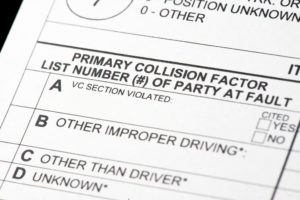
If you are victim of a hit and run, it is best that you stay calm and do the following after the accident:

Resist the Temptation of Chasing the Other Driver

It is understandable that you are tempted to chase the at-fault driver and force them to pull over so that you can get square with them. However, this can make your situation considerably worse than it already is. You do not know whether the other driver was driving irresponsibly due to an emergency or just having a bad day. They might be drunk and armed, and they may become violent.

In addition, with emotions running high, you may not realize the extent of damage to you or your car, which may put your life in danger. The best thing to do is safely pull over and park at the roadside. If possible, note their license plate number, as it is the single-most important piece of evidence that can help the police track down the culprit.

Check for Damages and Injuries

If you notice a headache, back or neck pain, dizziness, or bleeding, you should call emergency services right away and seek medical attention. If you feel fine, evaluate the damage to your car and note it down.

Report the Crime

Next, call the police and report the crime. Try to explain the entire incident to the law enforcement officer in as much detail as possible, and if there are any people nearby, talk to them to get additional information.

Gather Evidence

While you wait for the police to reach your location, you should document the accident scene and take pictures or make a video of your car and surroundings. Be sure to capture the scene from different angles. In addition, recall how things happened and jot down the description so that you are better able to provide a detailed statement to the police. If possible, try to remember the license plate. Do not try to tamper with the scene as it can lead to legal repercussions down the line.

Inform your Insurance Company

Unfortunately, a majority of hit and run accident victims have to make claims on their own insurance policies if the at-fault driver cannot be apprehended. Everything from medical records and police reports to visual evidence like pictures and videos will help you in filing a claim for your uninsured motorist coverage.

Frequently Asked Questions About Hit And Run Accidents

What should I do immediately after a hit-and-run accident?

  • Stay at the scene: Do not leave the scene of the accident.
  • Check for injuries: Assess yourself and others for injuries and call emergency services if needed.
  • Call the police: Report the accident to the police as soon as possible.
  • Gather information: Collect as much information as you can about the other vehicle, such as make, model, color, license plate number, and any identifying features.
  • Look for witnesses: Ask people nearby if they saw the accident and get their contact information.
  • Document the scene: Take photos of the accident scene, your vehicle, and any damage.

How do I report a hit-and-run accident?

  • Contact the police: Provide them with details about the accident, including the location, time, and description of the other vehicle.
  • File an accident report: This can help with insurance claims and potentially lead to the identification of the other driver.

What should I do if I can’t find the other driver?

  • File a claim with your insurance: Inform your insurance company about the accident and provide them with all the information and documentation you have collected.
  • Seek legal advice: Consult with a personal injury attorney who can help you navigate the legal process and explore your options for compensation.

Will my insurance cover the damages from a hit-and-run accident?

  • Uninsured motorist coverage: Many insurance policies include uninsured motorist coverage, which can help cover damages and medical expenses if the other driver is not found.
  • Check your policy: Review your insurance policy to understand what is covered and what steps you need to take to file a claim.

What are the legal consequences for a hit-and-run driver?

  • Criminal charges: Hit-and-run drivers can face criminal charges, including fines, license suspension, and even jail time, depending on the severity of the accident and injuries involved.
  • Civil liability: The driver can also be held liable for damages and medical expenses in a civil lawsuit.

How can I protect myself from future hit-and-run accidents?

  • Drive defensively: Always be aware of your surroundings and practice defensive driving techniques.
  • Install a dashcam: A dashcam can provide valuable evidence in the event of an accident.
  • Stay alert: Be extra cautious in areas with high pedestrian traffic or poor lighting.

It can be nerve-wracking to get hit by a car and not receive any compensation for your damages. In such a situation, having an experienced auto accident attorney by your side can help you with your personal injury case. Contact the Law Offices of Robert T. Edens, P.C. at (847) 395-2200 or online today to schedule your initial consultation.

(Updated 1/20/2025)

What Should I Do If Police Refuse to Write a Report Of My Auto Accident?

Auto Accident AttorneyPolice Report

A police report is a formal document created by police officers that entails information pertaining to accidents and is used for verification purposes. There are many instances where police officers may not write a police report for auto accidents. They may determine that the severity of an accident is not high enough or perhaps the incident did not cause any serious injury to either party, thus concluding that the incident does not warrant a report.

In such a situation, police officers may refuse to write a report and simply ask both parties to exchange information with each other, even if they persist in a police report being made. However, an individual has a right to file a lawsuit even if the scene of an incident is not formally recorded by a police officer.

If you suffered an auto accident, then your first priority, after receiving medical treatment, is ensuring that a police officer issues an accident report. However, if they refuse to write a report, you may request them to make one for insurance purposes. If a police officer does not consider your request, you should follow these few steps:

  • Call 911 immediately to report the accident. This will help you to preserve a record of the date and time when the incident occurred.
  • Obtain names and contact details from people around the scene who witnessed the accident. Collect information from other involved drivers which may include their name, address, insurance information, and contact number.
  • Document information related to the responding police agency, including officers’ badge numbers and any piece of information or communication with police officers.
  • Capture pictures of involved vehicles, positions of cars, skid marks, and the surrounding area of the accident. This can prove to be invaluable evidence that can help you to substantiate your claim.
  • You must assume the responsibility of an investigator. Write down every detail you remember about the accident. Sometimes, small details such as an accurate time of incident and pictures of skid marks can have a big impact on your case.

You must understand that giving a verdict is the responsibility of a judge or a jury as police officers merely record information and details pertaining to the accident. Therefore, damages, fault, and compensation for your claim will be determined by the judge or jury. Thus, a police report may be helpful, but it is not a determinant factor in your case. Hence, if you follow the aforementioned instructions after your accident, then you should not be concerned if there is no police report of your incident.

Frequently Asked Questions About Auto Accident Reports In Illinois

When Do I Need to File an Auto Accident Report in Illinois?

You need to file an accident report if the crash resulted in death, bodily injury, or property damage exceeding $1,500 when all drivers are insured. If any driver is uninsured, the threshold is $500. Reports must be filed within 10 days of the accident.

How Do I File an Auto Accident Report?

You can file a report online through the Illinois State Police website if the crash meets specific criteria (e.g., single vehicle, property-damage-only crash on certain roads). Otherwise, you can file a report in person at a local police department or by mail.

What Information Do I Need to Provide?

You’ll need to provide details such as driver’s license information, vehicle registration, proof of liability insurance, and contact information for all parties involved.

Can I Get a Copy of the Accident Report?

Yes, you can obtain a copy of the accident report online, by mail, or in person at a Driver Services Facility. There may be a fee for obtaining a copy.

What Should I Avoid Doing After an Accident?

Avoid admitting fault or making statements that could be used against you later. It’s important to remain calm and exchange information with the other driver(s).

What Happens if I Don’t File a Report?

Failing to file a report can result in fines and other legal consequences. It’s important to file the report promptly to avoid these issues.

Contact Our Lake County Auto Accident Lawyer

If you have become a victim of an auto accident, it can be highly beneficial for your case to acquire the services of an experienced Lake County auto accident lawyer. Your attorney will ensure that your rights remain protected throughout the litigation process.

Furthermore, a skillful auto accident lawyer will find evidence, prepare witnesses, and establish facts to prove your claim, which will help you to hold the defendant liable for their actions. Following the instructions provided above after an accident will provide your auto accident lawyer grounds to construct a solid case in your favor, enabling you to obtain rightful compensation for damages you sustained due to the accident.

Personal Injury Attorney

If you wish to find out more about this topic or schedule a free consultation, contact the offices of Robert Edens at (847) 395-2200 to speak with an experienced auto accident lawyer.

(Content updated 10/30/2024)

Do Workers’ Compensation Doctors Lie?

Insurance carriers are highly experienced in reducing workers’ compensation injuries, so they can either deny a claim or pay less. One of the tools they can use to discredit claimants is medical providers who can give biased opinions to minimize injuries.

These physicians are known as ‘independent medical examiners’, and they categorically deny giving false statements or information. Some adjust their statements to sound like medical opinions, which an insurance adjuster can use to discredit a claim irrespective of injury severity.

Why do Workers’ Compensation Doctors Lie?

Some of the reasons why your doctor may lie when you visit them for your workers’ comp claim include the following:

They Are Loyal To Their Employers

One of the biggest reasons workers’ comp doctors lie is because they are loyal to their employers. Many are conformists when evaluating workplace injuries because the insurance company hires them. Their job is to give a diagnosis that can reduce the benefits and wage payouts that injured workers are eligible for.

To Dispute Your Claim

The thing is that the insurance company can demand an independent medical exam (IME) even though they are the ones who hire the doctors who conduct them. The exam results can be used to dispute a claim or deny it altogether. In some cases, insurance carriers can also alter the payout you are eligible for. Claimants have to undergo IMEs or risk their case being dismissed, so they have no choice but to give in.

They Are Unqualified and Paid Well

Many workers’ comp doctors are paid exceptionally well by the insurance companies they serve, an incentive they take seriously by reducing claims. Many of them don’t have proper licenses in surgery or any medical specialty. Rather than ordering expensive tests and scans such as CAT and MRI scans that the insurance company doesn’t want to pay for, they prescribe medication instead.

They Value Numbers over Claimant Wellness

The fee for workers’ comp is based on the volume of patients these doctors attend rather than time billed and work quality per case. It is one of the main reasons they may not give you a detailed evaluation or medical exam. If you believe your physician is not being as attentive and thorough as you deserve, take extensive notes during consultations and tests. A Waukegan workers’ compensation attorney can use those notes as evidence to ensure you get the maximum compensation you need.

Important note: Don’t try to beat them at their own game by exaggerating your symptoms. If a workers’ comp policy covers your injuries, they should make sense to the doctor. Exaggerate them, and they may deny your claim by questioning its veracity.

Frequently Asked Questions About Workers’ Comp Doctors

What is a Workers’ Comp Doctor?

A workers’ comp doctor is a healthcare provider who treats injuries or illnesses related to a workplace accident or condition. These doctors are usually chosen from a list provided by the employer or the workers’ compensation insurance company.

Can I Choose My Own Doctor?

In some states, you may have the right to choose your own doctor, but in others, you might be required to see a doctor from a list provided by your employer or the insurance company. It’s important to check the specific rules in your state.

What if I Disagree with the Doctor’s Diagnosis?

If you disagree with the doctor’s diagnosis or treatment plan, you can request a second opinion or ask to see a different doctor. It’s important to communicate your concerns with your employer or the insurance company.

Can I Continue Seeing My Regular Doctor?

In some cases, you may be able to continue seeing your regular doctor for treatment related to your work injury. However, this depends on the rules in your state and the policies of your employer or insurance company.

What is an Independent Medical Examination (IME)?

An IME is an examination by a doctor who is not your regular treating physician, requested by the insurance company to get an independent opinion on your condition, treatment, and work restrictions.

Do I Have to Attend an IME?

Yes, you are usually required to attend an IME if it is scheduled by the insurance company. Failure to attend can result in a penalty or suspension of your benefits.

Will I Be Reimbursed for Expenses Related to the IME?

Yes, you may be reimbursed for expenses such as lost wages, transportation costs, and other out-of-pocket expenses related to attending the IME.

What if I Can’t Attend the IME?

If you have a scheduling conflict or cannot attend the IME, you should contact your claims examiner immediately to reschedule or discuss alternatives.

Can I Change My Workers’ Comp Doctor?

You may be able to change your workers’ comp doctor, but you will likely need to follow specific procedures and obtain approval from your employer or the insurance company.

Contact Our Lake County Workers’ Compensation Lawyers Now

If the insurance company denied your workers’ comp claim because your doctor lied about your diagnosis and condition, you have the right to sue. Contact our Lake County workers’ compensation lawyers at The Law Offices of Robert T. Edens and ensure you get the compensation you deserve. We have more than 20 years of experience representing clients like you and taking insurance companies to task for their negligence and greed. Get in touch with us for a consultation today!

(Updated 10/30/2024)

Wrongful Death in Workers’ Compensation? Not Exactly

wrongful death

The Illinois workers’ compensation system, much like systems across the country, was designed to provide injured workers with a mechanism for recovery from injury that was less costly and faster than litigation. Before the system was created, injured employees whose employers did not take responsibility for their injuries had to take the employer to court and prove that it was liable before they were able to obtain benefits.

Such a system was heavily in the employer’s favor as most employees could not afford to fight their employer in court and receive care for their injuries at the same time. After the creation of the workers’ compensation system, employees who were injured while performing the duties of their position were able to obtain immediate care at the expense of their employer. One area into which this system extends is with regard to death benefits.

“Death Benefits,” or more aptly, Survivors’ Benefits

Unlike lawsuits under wrongful death statutes, families of workers who are killed while on the job must seek any recovery for their loss under Illinois’ workers’ compensation statutes. This is because the family of the worker essentially steps into the place of their loved one and accepts benefits in his or her stead. Not all family members are entitled to survivors’ benefits, however, as the statute specifies exactly who may recover for the loss.

According to Illinois law, full benefits are payable to the spouse and/or children of the deceased worker. These benefits continue indefinitely until the spouse remarries, or the children reach a certain age (with an exception for dependents who are physically or mentally disabled). If the worker has no spouse or children, the survivors’ benefits can be payable to any dependent parents, grandparents, or other heirs who were “at least 50% dependent” on the employee at the time of his or her death.

As stated previously, the workers’ compensation system is designed to ensure that workers receive prompt and effective care for injuries, without regard to who was at fault for the incident causing the injury. This system protects employers as much as employees and was designed to provide as much of a “win-win” situation as possible whenever a traumatic event occurs in the workplace. Employers benefit from less time they must operate without the injured employee because faster treatment often leads to less time the employee is out of work.

Further, both parties are encouraged to continue to move forward after an incident rather than become embroiled in protracted litigation to prove who or what was at fault for the accident. This system can provide closure in the event of an employee’s death for the employer as well as the survivors by allowing for a mechanism through which the circumstances surrounding a loved one’s death is neither ignored nor drawn out unnecessarily.

Need a guide?

Even though the workers’ compensation system was designed to allow for fairly swift recovery in the event a loved one is injured or killed in the workplace, there are rules that must be followed in order for a survivor to recover the benefits to which they are entitled. If you or a loved one has been injured in the workplace and you have questions about recovering against an employer, call the Law Offices of Robert T. Edens, P.C. in Antioch today at (847) 395-2200. Our attorneys have years of experience fighting to protect workers and ensure that they receive what they are owed quickly, despite an employer’s recalcitrance.

Workers’ Comp Adjusters Don’t Want You To Get Paid?

Insurance adjusters will do everything they can to deny a workers’ comp claim so the company can line its pockets. That is why the insurance industry is worth trillions of dollars, and the CEOs are some of the highest-paid compared to other sectors. So even if you are eligible for workers’ comp, their adjusters will do almost anything to boost their employers’ bottom line.

If you find yourself in this situation, consider hiring experienced Antioch workers’ comp lawyers.

Common Tactics Adjusters Use To Deny Workers’ Comp Claims

A workers’ comp claim or benefits may be denied due to a lack of documents or technical errors. But they may also use underhanded tactics to set the stage for a denial. Some of them include:

Insisting They Need A ‘Recorded Statement’

An insurance adjuster that insists they need your recorded statement before they can proceed does not have your best interests at heart. Nothing in the workers’ comp statute says you need to provide one even if the insurance company has a policy. It doesn’t mean injured workers have to oblige and failure to do so is NOT grounds for legal denial.

Antioch workers’ comp lawyers will tell you that if an adjuster asks for a recorded statement post-accident, you may not be in the right state of mind to answer questions. In this case, they may pounce and make you incriminate yourself on the recorded statement. You will give up your rights if you agree to this, and you don’t have to.

The adjuster may also trick you into denying your claim during the interrogation. This includes giving you misleading advice meant to disorient or confuse you into trusting them. Remember, they work for the insurance company, not you. Ensuring you get compensated is the last thing on their mind.

Telling You That the Settlement Offer Is ‘Reasonable’

The insurance company cannot verify that the settlement amount is fair and reasonable even if their adjusters claim so. Just ask them if they can verify their claim, and you will get your answer. They cannot prove that anyone with similar injuries can never receive more than their offer.

However, you won’t realize you are being fooled unless you are skilled at negotiating and settling workers’ comp claims. Without using skilled Antioch workers’ comp lawyers who can negotiate a better settlement, you may end up accepting a sum that is far less than what is expected from such injury claims.

The bottom line is that you don’t have to give a recorded statement or negotiate a settlement with the insurance adjuster. You aren’t obliged to, and you do more harm than good. At this point, you should stand your ground and refuse to speak to the adjuster till you have your attorney present. Your employer and the insurance agency can afford it, so you shouldn’t hesitate.

Contact The Law Offices Of Robert T. Edens For A Consultation Today!

If your employer is refusing to compensate you for a workplace injury or the insurance company is trying to deny your claim without cause, contact The Law Offices of Robert T. Edens today. Our highly experienced lawyers have represented people like you backed into a corner by insurance adjusters. You don’t have to give them any information that you are uncomfortable divulging. Contact us for a consultation today. We can develop a strategy to ensure you get the max compensation you deserve.

How to Avoid Spinal Injuries When Diving

Spinal InjuriesDiving can cause serious spinal injuries, but these are preventable if precautions are taken beforehand. A single dive can result in disabilities that impact your quality of life. Most diving injuries occur in swimming pools, creeks, rivers, lakes, and other swimming holes.

How You Can Injure Your Spinal Cord During A Dive

A spinal cord injury results from severe trauma to the bundle of nerves in the bone that run from the base of the brain to the waist. This can happen during a poorly planned dive. For example, if the diver plunges headfirst into the shallow part of a pond, their head may hit the bottom hard enough to result in this injury.

When the head strikes the bottom, the vertebrae covering the spinal cord collapse, thus preventing the nerves from transmitting signals to and from the brain. This usually leads to paralysis, but depending on the location of the injury, you can suffer from other debilitating complications as well.

This is understandable. When the entire weight of our body hits the bottom of a pool, the sheer force of the impact has an immense effect on the cervical spine. Most of these accidents occur in water that is less than three feet deep, so paralysis is imminent in most cases. According to an experienced Grayslake spinal cord injury lawyer, a preventable accident can result in permanent machine dependency.

How to Avoid Diving Spinal Injuries

Some of the best ways to avoid spinal injuries from a dive include the following:

  • NEVER dive into the shallow end of a pool. There is a reason there are no diving boards there.
  • Always enter feet first into the water. Don’t guess the depth and dive in headfirst.
  • Do not drink alcohol before a swim or dive. It will impair your judgment, and you may dive in without taking precautions.
  • Don’t dive if you are inexperienced. Water may look soft, but it cannot cushion you sufficiently if you dive in headfirst. Your body enters the water like a torpedo. The water may not be able to protect you from serious impact. Experienced divers know how to prevent serious injuries when they dive.
  • Don’t think you can dive anywhere safely because you are an experienced swimmer. You may be taller than before, and each body of water is different.

Top Signs of a Spinal Cord Injury

A spinal cord injury is imminent if you fail to take the precautions mentioned above before a dive. If you experience these symptoms post-dive, call emergency services immediately:

  • Weakness in your limbs.
  • Cuts and bruises across your face.
  • Tingling and numbness in your arms and legs.
  • Difficulty breathing.
  • Partial or complete paralysis.
  • A tender back or neck.

Contact the Law Offices of Robert T. Edens and Get the Compensation You Deserve

You deserve fair financial compensation, whether you suffered a spinal cord injury during a dive or a car accident. Why should you pay out of pocket for someone else’s negligence? Get in touch with a compassionate and experienced Grayslake spinal cord injury lawyer from the Law Offices of Robert T. Edens today. We have years of experience fighting for the rights of spinal cord injury victims such as yourself and can ensure you get the compensation you deserve.

How Personal Injury Awards In Illinois Are Decided

Personal InjuryAs a personal injury victim, you are entitled to an amount from the negligent party based on the extent of the damages you suffered. By “damages”, we mean measurable harm that you sustained because of a personal injury. These can vary from one case to another. An experienced Antioch personal injury lawyer can analyze the harm you suffered and calculate appropriate damages.

Common Personal Injury Damages You Can Claim 

Some of the common personal injury awards you can claim as per the extent and type of your injuries include the following:

Economic Damages 

As is apparent from the name, economic damages refer to financial losses you may suffer because of your injuries. Besides your medical bills, this includes wage loss as you find yourself unable to fulfill most, or all of your work duties post-accident. It can also include expenses that cover rehab and loss of earning capacity as you are forced to take on a less-taxing job if your disabilities are permanent. 

How it is calculated 

An Antioch personal injury lawyer can quickly and easily calculate economic rewards for personal injury settlements. They need to add up all of the financial losses you are going through. So, for example, if you have a $30,000 medical bill, spent $10,000 in rehab, and suffered income loss amounting to $10,000, the damages will total $50,000. 

Non-Economic Damages 

Non-economic damages refer to the harm you may undergo because of the accident. These are not quantifiable. Besides pain and suffering, this can also include emotional (depression, anxiety, and PTSD) and physical pain (headaches, nerve pain). 

How it is calculated 

Determining non-economic damages is not as straightforward as economic damages since they aren’t tangible. Placing a price on someone’s pain and suffering is a monumental task. In this case, a jury will decide how much it is worth, but they are given few guidelines to do so. Both parties usually recommend an amount, but the jury does not have to pick one side. An Antioch personal injury lawyer will consult with you before putting an amount forth. 

Punitive Damages 

Punitive damages are not meant to compensate victims but to punish the defendant for highly egregious behavior. The funds from these damages are usually paid to the state, not the victim. 

How it is calculated 

There is no cap as to the number of punitive damages that can be demanded in Illinois. They are eligible for any situation where a defendant exhibits intentional or extremely negligent actions that harmed the plaintiff. Calculating it falls to the court. 

Contact The Law Offices Of Robert T. Edens, P.C. For The Compensation You Deserve 

If you have been injured because of someone’s negligence, you deserve to get maximum compensation. In this case, an experienced Antioch personal injury lawyer from The Law Offices of Robert T. Edens, P.C. can prove invaluable. We have more than two decades of experience protecting the rights of accident victims such as you and we ensure you get the compensation you deserve. The longer you wait, the more complex your case can get. Get in touch with us for a consultation today!

What Are the Four Types of Workers’ Compensation Benefits?

Workers CompensationWorkers’ compensation ensures employees who are injured on the job are taken care of and don’t have to pay out of pocket for their medical bills. If you were harmed during work, you are owed four types of workers’ compensation benefits depending on your state post-accident. These can include salary benefits, vocational rehab, and medical coverage.

Top 4 Types of Workers’ Compensation Benefits

Some of the workers’ compensation benefits you may be entitled to include the following:

1. Temporary Total Disability

If your doctor says you have to practice certain restrictions at work or gives restrictions that your employer cannot ignore, you are eligible for temporary total disability (TTD) benefits. The payments are two-thirds of the gross average weekly salary you earn over the last 52 weeks before the day of your injury.

2. Temporary Partial Disability

Say you can return to work after your workplace accident, but your injuries force you to work in a lower capacity. In this case, you may have your hours reduced, take on achievable or less-demanding roles or even earn a lower salary. In this case, you are eligible for temporary partial disability (TPD) benefits.

These benefits are two-thirds of the difference between your original and existing (post-accident) average weekly income. The amount cannot exceed $450/week, and it is usually paid for 350 weeks starting from the day you were injured.

3. Permanent Partial Disability Benefits

If you get a permanent disability because of a workplace accident but do not get the above benefits, you may be eligible for permanent partial disability (PPD) benefits. Employers in Illinois have to pay these benefits to workers who suffered from physical impairment, amputation, or disfigurement caused by a workplace accident.

It is usually paid to workers who have reached maximum medical improvement. These benefits are calculated as per the degree of disfigurements such as burns, cuts, abrasions, skin grafts, loss of skin, etc. You and your employer have to establish the number of weeks for benefits, and if you cannot agree, an IWCC arbitrator can. The maximum number of weeks you can get is 162. The established duration is multiplied by 60% of your weekly wages to determine the total amount.

4. Death Benefits

If a worker dies because of a workplace accident or from injuries/illnesses sustained from workplace practices, their dependents may qualify for death benefits. These are income replacement benefits that include funeral and burial expenses.

Important noteA workers’ compensation lawyer in Waukegan will tell you that pain and suffering damages are usually one to three times the cost of your medical bills and lost wages.

Contact Robert Edens for a Consultation Regarding Workers’ Compensation Benefits

Getting appropriate workers’ compensation can be a challenge. The process is quite complicated, and your claim can be denied for several reasons unless you hire an experienced workers’ compensation lawyer in Waukegan from The Law Offices of Robert T. Edens. We have been fighting for the rights of employees like you in Illinois for decades and know what it takes to ensure you get the compensation you deserve. Get in touch with us for a consultation today!