
How Is The Amount For Workers’ Compensation Calculated In Illinois?

workers compensationAs a worker in Illinois, you are eligible for compensation for injuries or damages sustained during your work as per the Workers’ Compensation Act. The system is designed to ensure workers can get back to work as soon as possible without worrying about the losses they sustain from workplace accidents.
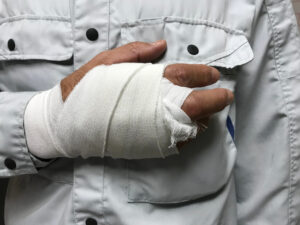
Disability Compensation Rate in Illinois

The compensation you receive will depend on your medical condition and the salary you earned pre injuries. An experienced Waukegan workers’ compensation attorney will ensure you get the maximum amount you deserve. Here are some factors that are taken into consideration for the calculation:

Scheduled Injury

You have a set number of weeks to receive compensation for certain injured body parts. Under the scheduled injury method, you can determine weekly compensation for injuries if you multiply 60 percent of the weekly wages you receive with the weeks assigned to particular injured body parts in the hyperlinked list.


So, for instance, if you injured your hand during work, and your average weekly pay is $500, that equals $300 per day. Multiply that figure with 205 weeks as mentioned in the list, and you are entitled to $102,500.

Loss of Percentage as a Whole

If injuries from the accident made you incapable of performing a key work task that you would otherwise be able to perform, compensation could be determined via the following formula:

Percentage of loss x 500 = number of weeks of compensation for the employee

So you have to multiply the number of weeks by 60 percent of your average weekly wage.

Wage Differential

If your injuries prevent you from gaining other employment for less pay, you may be entitled to two-thirds of the difference between the old and new job wages. However, this amount cannot be more than the State Average Weekly Wage.


If a work-related injury disfigured you, our Waukegan workers’ compensation attorney could help you get compensated for 162 weeks. You can work with your employer to determine this.


If a work-related accident results in a temporary total disability that prevents you from performing job tasks, you are eligible for compensation on the fourth working day of said disability. In this case, you should receive compensation for the duration of your ailment, and if it lasts for more than 14 days, compensation should be calculated from the day of the accident.

Contact Robert Edens for Fair Workplace Injury Compensation

If you or someone you know has suffered a workplace accident that caused debilitating injuries and is being denied worker’s compensation, you can and should sue. Get in touch with Robert Edens at the Law Offices of Robert T. Edens, P.C. for a free consultation today.

A dedicated and highly experienced Waukegan workers’ compensation attorney, Bob will ensure you get the maximum compensation you deserve, if not more. During the initial meeting, he will explain the law to you so you know all of the options you have at your disposal. This will also include a strategy that will outline what he will do for you.

Illinois Worker’s Comp: What Are My Rights?

According toworkers comp Illinois law, all employers have to provide their employees with worker’s compensation insurance. It is a system of benefits that comes into effect from the moment a worker is hired. It covers medical costs of job-based injuries and diseases that may otherwise result in significant medical bills employees may not be able to pay.

Injuries That Are Covered and Not Covered by Worker’s Compensation

Your workers’ comp lawyer in Antioch will tell you that worker’s compensation will cover your bills for the following job-related injuries:

  • Stroke that resulted from a job.
  • Injuries caused by repetitive usage of certain body parts for a job-related task.
  • Heart attack caused by work.
  • Pre-existing conditions that worsened because of work.

The insurance does not cover certain types of injuries. These include injuries sustained in recreational activities such as baseball during company picnics and accidents during drug or alcohol rehab programs.

What Happens When You File a Worker’s Compensation Claim

When you file a worker’s compensation claim, your injury is classified as either a temporary total disability (TTD) or a temporary partial disability (TPD), or a permanent disability (PD). The benefits you qualify for will depend on the category your injuries belong in.

Temporary Total Disability (TTD) vs. Temporary Partial Disability (TPD)?

If your work-related injury temporarily or completely incapacitates you, your injury will be classified as a temporary total disability (TTD). While your injuries may prevent you from performing your work duties, you will be expected to make a full recovery and return to work.

A temporary partial injury (TPD) injury is seen as an on-the-job injury that affects your work abilities but does not prevent you from working completely. TTD worker compensation benefits are meant to cover the wages you may lose as you heal and recover in hospital or at home.

Permanent Disability (PD) vs. Partial Permanent Disability (PPD)

A permanent disability (PD) is classified as an injury that hinders your ability to do your job. However, if your injury is a partial permanent disability (PPD), you can still work with limited capacity.

The payments you are entitled to will be based on the severity of the injuries mentioned above. This means that each worker’s compensation case is as unique as the injuries that the benefits cover. An experienced worker’s comp lawyer in Antioch can help you understand your claim and ensure you get the benefits you are entitled to.

Employer Responsibilities for Worker’s Compensation

As per the law, all employers in Illinois have to ensure their employees are aware of these rights and benefits. They also have to put up a notice about the worker’s compensation insurance in an accessible area where their workers can go through it.

The list should include the following:

  • The name of the insurance provider.
  • Policy number.
  • Contact information.

All workplace accidents that make a worker miss more than three days of work should be reported, and incidents that cause work-related deaths should be reported within two days at most. The Illinois Worker’s Compensation Commission (IWCC) will not file a claim till the employer reports the accident.

Get The Compensation You Deserve By Hiring An Illinois Worker’s Comp Lawyer Today

If your employer refuses to compensate you for a workplace injury claim, there is no time to waste. Get in touch with an experienced worker’s comp lawyer in Antioch at The Law Offices of Robert T. Edens, P.C. for a free consultation. We can ensure you get the maximum compensation you deserve, if not more. We also have offices in Chicago, Waukegan, Libertyville, and Woodstock, IL.

What Are Most Spinal Injuries Caused By?

Spinal InjuriesStatistics On Spinal Injuries

A spinal cord injury refers to damages to the spinal cord itself or to nearby bones or tissues. Depending on the seriousness of the injury, you can lose mobility or function in various parts of your body. The National Spinal Cord Injury Association reports that around 17,000 new spinal cord injuries are diagnosed in the U.S. every year.


Spinal cord injuries also happen to be the most expensive issue to cure. An estimated $9.7 billion is spent on treating spinal cord injuries every year. To avoid the pain, inconvenience, and medical costs associated with spinal cord injuries, it’s best to avoid the problem in the first place. An understanding of the causes of this medical condition can help you avoid the problem.


Causes of Spinal Cord Injuries

Spinal cord injuries result from damage to the ligaments or disks of the spinal cord, spinal column, or vertebrae. A sudden, tough shock to the spine that fractures, compresses, dislocates, or crushes multiple vertebrae can cause a severe back injury. A knife wound or gunshot that enters and cuts through your spinal cord can also lead to the condition.


Subsequent damage stems from bleeding, inflammation, fluid accumulation, and swelling around the spinal cord in the following days and even weeks.


A less problematic spinal cord injury can occur due to conditions like cancer, arthritis, disk degeneration of the spine, or other infections.


Regardless of whether a back injury is severe or non-severe, the damage impacts the nerve fibers that go through the injured region, thereby impairing one or more of the muscles and nerves under the affected area.


Let’s now study a few instances that often trigger spinal cord injuries:


Slip and Fall: Spinal injuries sustained after the age of 65 mostly result from slip and fall incidents. According to Mayo Clinic, falls are responsible for 31% of these injuries.


Alcohol Consumption: Yes, alcohol can cause spinal cord injuries too. In fact, one in four spinal cord injuries is associated with alcohol usage.


Auto Accidents: Motorcycle and car accidents are the #1 reason behind spinal cord injuries, responsible for almost 50 percent of all spinal injuries sustained each year.


Diseases: As mentioned earlier, certain pre-existing conditions can also exacerbate the condition. These may include arthritis, cancer, and osteoporosis.


Recreation and Sports Activities: Around 10% of spinal cord injuries stem from athletic activities such as diving in water that is shallow and impact sports.


Acts of Violence: Violent encounters, especially those involving gunshots or knife wounds, may also cause spinal cord injuries. These account for 13 percent of spinal cord injuries.


Personal Injury Attorney

Contact Our Personal Injury Attorney In Antioch

Now that you have a profound understanding of the common causes of spinal injuries, try your best to avoid them. If you do face a spinal cord injury due to someone else’s conduct, you will need to file your personal injury claim to seek compensation for the damages. Robert Edens is among the most experienced back injury lawyers in Antioch. To seek legal advice, contact him at your earliest!

What Are the Most Common Personal Injuries in Illinois?

personal injuryCommon Personal Injuries

Personal injury law helps an injured person seek compensation when their suffering is the result of someone else’s negligence or intentional abuse. It encompasses a wide range of claims, each of which has differing legal implications. According to the National Center for Health Statistics, more than 31 million people around the U.S. face personal injuries that require medical treatment.

If you’re faced with a personal injury and wish to file your claim, you’ll typically need to hire a personal injury lawyer who specializes in the type of personal injury you’re suffering from. Therefore, developing an understanding of different personal injuries is important.

Here are some of the most common personal injuries in Illinois:

Injury from Slip and Fall

Property owners have a legal duty to ensure that their premises are hazard-free and reasonably safe so that anyone entering the space doesn’t get injured. If someone falls and gets hurt due to a hazard that exists due to the negligence of the property owner, the victim can file a personal injury claim against the owner. This is referred to as a slip and fall case. The exact nature of liability varies from one case to another, and not all injuries necessarily lead to liability.

Injury from Car Accidents

Injuries associated with car accidents are the most common type of personal injury in the US. Auto accidents typically result from reckless driving or violation of traffic rules. When someone gets hurt from a car collision due to the negligence of a careless driver, the latter can be held financially and face legal action. While exceptions exist in around a dozen “no-fault” states, Illinois is not among them. It adheres to the traditional fault-based system in which drivers that cause accidents are responsible for paying the damages.

Injury from Medical Malpractice

Most medical practitioners are well-trained individuals who are extra vigilant to deliver the best possible care. Yet, even the most skilled physicians can commit mistakes, many of which relate to medical malpractice.

Medical malpractice can include failing to cure a condition, exposing a patient to a dangerous substance, giving an incorrect dose of a dangerous drug, failing to diagnose a condition correctly, suggesting a treatment that violates the standards of care, and so on.

If a medical malpractice results in a brain or spinal cord injury, you’ll need to prove that the doctor deviated from the standard of care.

Injury from Assaults

As part of a violent society, we all are exposed to chances of assaults. Gun-related assaults, for instance, have become an everyday problem in the US. According to the CDC, gunshots lead to 115,000 non-fatal injuries and 15,000 fatalities every year. If you’ve been assaulted, you have the right to sue the other party. Even if the assailant doesn’t have enough money to cover the damages, you might be able to sue the property owner for not providing sufficient security or the gun manufacturer. Your personal injury lawyer will explain what options you have.

Contact Our Waukegan Personal Injury Attorneys

By now, you should have developed a fair understanding of the different types of instances that can be categorized as personal injury. Each case pertaining to personal injury is a broad area with its own set of complications. If you’re hurt in Waukegan, you’re probably searching for Waukegan personal injury attorneys. Robert Edens is one of the most reputable personal injury lawyers in the area. To seek legal help, reach out today!

What Is PPD Or Permanent Partial Disability?

permanent partial disabilityPermanent Partial Disability

When a worker faces a serious workplace injury during their routine work, the result could be months- or even years-long medical treatment. When the physicians or doctors have tried every possible treatment to return the individual to their pre-injured condition, the employee is said to have recovered to the fullest possible extent, reaching their maximum medical improvement (MMI).

In the case the employee never manages to recover to the same level of productivity and ability as they possessed prior to the accident, they’re typically entitled to permanent partial disability, a type of workers’ compensation benefit. The BLS reports that for every 100 full-time workers, 3.4 worker’s compensation claims are filed in the US.

Let’s dig deeper into the concept of permanent partial disability (PPD):

Definition of PPD

If you suffered a work injury but cannot fully recover, and your condition prevents you from taking good care of yourself or perform your job duties, you’re said to have a PPD. The most confusing aspect about PPD is that it goes by so many names. Although it stands for “permanent partial disability,” some of the other terms include permanency rating, 97-31 benefits, perm partial, and impairment rating.

Since most workers who face severe injuries rarely make a full recovery, so their doctor assigns a number to the extent to which the affected body part may face permanent problems. This number is referred to as the PPD rating expressed as a percentage. For example, the doctor might say “15 percent PPD to the arm”. This proportion is then entered into a mathematical formula that also includes your pre-injury wages, the result of which shows how much the employee is owed in PPD benefits.

The Illinois PPD Law

Under Illinois worker’s compensation law, employers are supposed to pay PPD benefits to employees sustaining work-related injuries and, in turn, suffer from physical impairment, disfigurement, or amputation but are able to carry out some duties. Those who become permanently disabled and cannot work at all are entitled to permanent total disability (PTD) benefits.

Once an injured worker files their worker’s compensation claim and gets accepted by the state, they receive PPD benefits either in the form of installments or as a lump sum payment, based on their personal choice. In the case that the employee opts for installments, they’ll be paid until they reach the age of 70. Lump-sum payout, on the other hand, is subject to certain restrictions.

Common Types of Injuries that Result in PPD

According to the US Department of labor, construction is the most dangerous industry for workers. A wide range of medical conditions can result in a PPD. The most common conditions include:

  • Hearing loss
  • Knee injury
  • Loss of vision in one eye
  • Carpal tunnel syndrome
  • Post-Traumatic Stress Disorder (PTSD)
  • Nerve damage
  • Amputation of a hand, a finger, or any other body part

Conclusion

In summary, PPD is a type of worker’s compensation benefit paid to workers who get injured while working according to the US Department of labor. If you’ve suffered a workplace injury and believe that you’re entitled to PPD benefits, reach out to a worker’s comp lawyer in Antioch. Regardless of how complex your case is, Robert Edens can be of great help.

Workers’ Comp Investigator Tactics

workers compThe insurance company will do everything in its power to reduce your Workers’ Comp claim, and yes, that means you will be under surveillance. The primary purpose behind Workers’ Comp surveillance is to undermine a claim and the credibility of the injured worker. Here are some of the top tactics that you can expect from their investigators:

Online Surveillance

Investigators will go as far as monitoring your social media accounts for proof that you are lying about your injuries or claim. So if you have a Facebook, Twitter, TikTok, or even a LinkedIn account, make sure you don’t post incriminating evidence.

For example, posting a video of your white water rafting adventure is NOT a good idea if you filed a back injury claim to get Workers’ Comp. Maybe your injuries are minor, but that doesn’t mean the insurance company will not use that evidence to undermine your claim.

Video Surveillance

The insurance company may station a private investigator outside your home. Using a camera or even just a smartphone, he/she can take pictures of you that can be used to deny your claim. They can show up and start monitoring you when you least expect it. Plus, they won’t stop till they have something they can use to incriminate you. You need to assume that there is someone watching you at all times. Don’t do anything that could jeopardize your claim.

Direct Queries

Investigators are far from shy or covert when it comes to disclaiming Workers’ Comp claims. They can ask you about your injuries directly and use your statements against you during a hearing. You need to choose your words carefully to ensure you do not incriminate yourself or bring your claim into question.

Better yet, do not make any claims to an investigator – their job is to protect the insurance company’s interests, not yours. So do not discuss your claims without hiring our Illinois workers’ compensation lawyers.

How You Can Help Yourself

Unfortunately, surveillance is legal no matter how nerve-wracking it is, so you cannot ask an investigator to stop following you. The best thing you can do to protect your claim is to follow your doctor’s orders. For example, if you need to walk on crutches for a few weeks for a broken ankle, make sure you always use them when you are out and about. Make sure you use them indoors as well. An investigator may spy on you from the windows.

Additionally, be clear about the specifics surrounding your accident and claim. However, do not speculate if you are confused about some facts. Investigators will use discrepancies in your story to try and deny your claim. Keep details concise and straightforward to be on the safe side.

Personal Injury Attorney

Contact Robert Edens for Workers’ Comp Claims in Illinois

The Workers’ Compensation process can be challenging. Add an investigator to the mix, and the experience can turn stressful. Our Antioch Illinois workers’ compensation lawyer can level the playing field by giving you peace of mind that your rights will be protected. Contact the Law Offices of Robert T. Edens for a consultation today. For years, they have been fighting for workers’ rights in Chicago, Waukegan, Libertyville, Woodstock, and Antioch, IL, so you know that they have extensive experience.

(Content Updated 6/13/2024)

Accidents That May Require a Personal Injury Attorney in Waukegan

It happens to the best of us. If you have suffered severe injuries because of an accident that could have been avoided, the negligent party should compensate you. If they or their insurance company deny your claim, do not hesitate to hire a personal injury attorney in Waukegan to claim damages.

Unsure whether your accident merits a claim? Here are some of the types of accidents that may require a personal injury attorney in Illinois:

Car Accidents

As one of Illinois’ most common types of accidents, car crashes are often caused by drunk, sleepy, speeding, or unruly drivers. If you sustain a car accident injury, you can file a personal injury claim to get financial compensation for your losses. This includes serious medical bills, lost wages, and even physical and emotional distress.

Motorcycle Accidents

Motorcycles can go from 0 to 100 mph in the blink of an eye. Plus, most motorists fail to see motorcyclists before it is too late due to their compact size. A motorcycle accident usually results in debilitating injuries that can prevent victims from living a normal life. Anything from road rash to broken bones to paralysis can reduce their quality of life.

Medical Malpractice

Medical malpractice can take on several devastating forms. It can include birth injuries caused by an inexperienced doctor, surgical injuries caused by a slip of a surgeon’s hand, and even a fatal disease missed during diagnosis. When a doctor or a medical professional fails in their duties and, as a result, hurts their patients, he/she can be held liable via a personal injury lawsuit.

Slip and Fall Accidents

Don’t underestimate slip and fall accidents. These are some of the most common types of personal injury claims made in Illinois. Here is how the law works: if you slip, fall, and injure yourself on another individual’s property, the latter can be held liable for damages you sustain.

As per Illinois Premise Liability Act, property owners owe a duty of care for guests and even people passing through their property. They have to place warning signs on hazardous areas and/or fix them before they cause an accident.

Statute of Limitations on Personal Injury Cases

Whether you are injured in a slip and fall accident, because of medical malpractice, in a car/motorcycle accident, you have two years from the date of the accident to file a lawsuit against the negligent party. If you miss this deadline, you may have to forfeit your claim and thus, give up the compensation you deserve.

However, if you wish to file a personal injury claim against a government entity, you only have one year to file your claim. Time is of the essence. Get in touch with an experienced and skilled personal injury attorney in Waukegan, such as Robert Edens, at the Law Offices of Robert T. Edens for a consultation today.

Personal Injury Attorney

With over two decades of experience protecting the rights of personal injury victims in Illinois, Robert can ensure you get the maximum compensation you deserve. Claims adjusters are NOT your friends. Before they swoop in and try to make you say or do things that can limit the settlement you may receive, contact his office in Waukegan.

What is a Wage Differential In Workers’ Compensation?

wage differentialMost Illinois workers are aware of essential Workers’ Compensation benefits such as covered medical treatment disability payments. However, there is one other benefit that is essential for their financial security. It’s called ‘wage differential,’ and it can ensure you can go a long way in reducing your stress if you suffer from serious workplace injuries.

What is a Wage Differential?

If your workplace injury incapacitates you to the point that you have to quit your job, you may be eligible for a wage differential settlement.


Here is how it works. Whether your injuries prevent you from working permanently or temporarily, your employer may offer to give you ‘light duty’ that can accommodate your physical limitations.


If the new position hurts your salary, you are eligible for a solution that pays you part of the difference. It is called wage differential benefits, and it can only be applied if you qualify for Workers’ Compensation.


If you are eligible, you are entitled to 2/3 of the difference between your old wages and your light-duty salary as per wage differential laws. So not only will you get a regular paycheck for your new position, but you will also get a workers’ compensation check for 2/3rds of the difference between the wages.


To qualify for a wage differential settlement, you have to prove that you cannot pursue your original and customary line of employment. An experienced Workers’ Compensation lawyer in Antioch can help you establish this and calculate the amount you can receive. They can also help you determine if you are eligible for this award or not.


If your light-duty job puts your recovery and health at risk, you are a good candidate for temporary total disability (TTD) payments. You can also claim this benefit if your employer is unable to accommodate your limitations at work.

Denied Wage Differential Payments? Here is What You Should Do

The Illinois Workers’ Compensation Act describes how and when an injured employee is eligible for wage differential payments. However, this doesn’t mean that employers and insurance companies will comply. In some cases, they may try to withhold benefits by saying you are ineligible.


Contact us to discuss your legal options if you or someone you know qualifies for wage differential payments, but cannot get them because of uncooperative employers/insurance companies. As a dedicated and skilled Workers’ Compensation lawyer in Antioch, Robert Edens can develop a strategy that can ensure you get the compensation you deserve. His team of lawyers has recovered millions of dollars in claims for their clients. Ensuring you can get a wage differential settlement is barely a challenge for them.

Personal Injury Attorney

You can get in touch with him and his team of workers’ compensation lawyers at the Law Offices of Robert T. Edens in Antioch, Waukegan, Libertyville, Woodstock, and Chicago, IL. At this point, the worst thing you can do is rely on advice from your employer or insurance company. They may try to sabotage your claim. We can ensure they don’t get away with it. Get in touch with us for a consultation today!

What Can be Done if I’m Not Getting Paid My Workers’ Comp?

workers compIf you are not getting paid in full or at all for the hours you put in, you can sue your employer with the help of a skilled Waukegan workers’ compensation lawyer. Your rights as an employee are protected under the Wage Payment and Collection Act.

What is the Wage Payment and Collection Act?

The Wage Payment and Collection Act governs timely wage payments to employees in Illinois and the deductions employers can make from paychecks. Here are a few facts you should know about the Act:

  • Private employers are covered, but state and federal employers are exempt from the Act.
  • Individuals and independent contractors who fulfill the legal definition of independent contractors cannot make any claims under the Act. If an employer classifies an employee as an independent contractor, that does not exempt him/her from the Act. An inquiry can determine whether the employee is an independent contractor or not.
  • The Act only covers work that is done in Illinois. For instance, an employee who lives in the state but travels across the U.S. for work is typically not covered. A Waukegan workers’ compensation lawyer can help you determine if you are covered and the wages you can recover.

What You Can Do If Your Wages Are Withheld

Here are some things you can do if you think your wages have been withheld unfairly by your employer:

Speak With Your Employer First

Ask your employer about owed wages first. Perhaps HR made an error on your paycheck or overlooked you by mistake. If your employer deliberately holds back the money he/she owes you as retaliation against you, you have the right to sue. Make sure you note down everything you discuss with them. A Waukegan workers’ compensation lawyer can use it as proof if you file a complaint.

Contact the Illinois Department of Labor

If you think your wages are being held back illegally, file a complaint with the Illinois Department of Labor (IDOL). Just make sure you file it a year from when you last worked with the employer or a year from when the wages are owed. The good news is that the process is free. At this point, you don’t need a Waukegan workers’ compensation lawyer.


To file a claim with IDOL, fill out the online form. You will have to create an Illinois Public ID first. It will help you use official state websites for critical information regarding your case.


When you file your complaint, make sure you include any evidence showing you are owed wages. This includes copies of time cards and paychecks that show that you have not been paid or were paid less than what you were owed as per your hourly salary.


Don’t worry if you don’t have those documents. Since it is your employer’s responsibility to maintain pay and time records, you can get them from HR. Plus, also make sure to update IDOL post complaint if you move or change your phone number.


Keep in mind that there is a time limit when it comes to filing complaints with IDOL. The Department can only investigate the three years before the date that you file your complaint. It will impact the amount you recover. For example, if you file your complaint after ten years of getting little to no wages from your employer, you can only recover wages from the last three years and onwards.


Contact Robert T. Edens for a Consultation

If your employer refuses to cooperate, hiring a Waukegan workers’ compensation lawyer can help you get the compensation you deserve. Whether you live in Chicago, Waukegan, Libertyville, Woodstock, or Antioch, contact the Law Offices of Robert T. Edens for a consultation today. Robert has been fighting for workers’ rights for over two decades and can ensure you can recover your lost wages.

What is the Illinois Dangerous Dog Law?

Illinois dangerous dog lawIllinois Dog Bite Law

Dogs can be loyal companions, but at the end of the day, they are animals that can attack without warning, as your Grayslake dog bite attorney will tell you. According to the Illinois’s Animal Control Act, there are two ways a dog can be considered to be ‘dangerous:’

  • The dog bites a person completely unprovoked without causing serious physical injuries.
  • The dog is unmuzzled, unleashed, or not under the control of the owner and it behaves in a manner that can lead to a serious threat of injury or cause another person’s or animal’s death.

If you have been bitten by a dog in Illinois, the owner of the dog is liable for the injuries that are caused by the said bite. However, the dog does not have to meet the aforementioned requirements for the owner to be liable. The strict liability law focuses only on the fact that the bite happened. Once the incident takes place and it leads to an injury, the owner of the dog is automatically liable in the eyes of the law.

In this case, it does not matter whether the dog in question showed signs of aggression before. The law protects injured victims to ensure they can get the compensation they deserve from the owners.

This includes the costs of medical treatment for the dog bite injury and even the emotional trauma it caused. In fact, it doesn’t even matter if the dog is the property of the owner or not. If it was under someone else’s care during the incident, that person can be held responsible.

Dog Bite Liability Statute

Your Grayslake dog bite attorney will tell you that under the liability statute if you have been injured by a dog in Illinois, you can get compensation from the owner or the animal’s custodian if you can prove that:

  • The dog caused the injury.
  • You did not provoke the animal into attacking you.
  • The defendant owns the dog.
  • You were in a place where you had every legal right to be when you were attacked.

You do not need to prove negligence to hold the owner of the dog liable for damages. Your Grayslake dog bite attorney just has to prove that he/she was negligent at the time the injury took place. You also have to establish that the dog was bite prone and the owner was aware of the fact.

Contact An Illinois Dog Bite Lawyer

If you or someone you know has been injured because of a dog attack in Illinois, get in touch with our Grayslake dog bite attorney at the Law Offices of Robert T. Edens. The laws pertaining to this type of injury can be quite complex especially when proving liability becomes tricky.

Personal Injury Attorney

We have years of experience aggressively representing dog bite victims so we know all of the excuses the owner can throw at us. Get in touch with us for a consultation today and ensure you can recover maximum damages. We have recovered millions of dollars for our clients in the last two decades.