
Medical Malpractice in Illinois

Medical Malpractice AttorneyMedical malpractice is a legal term that deals with cases where a professional health care provider fails to adhere to the standard of care, which leads to the injury or death of a patient. Because the legal issues pertaining to Illinois medical malpractice claims are extremely intricate and contain a high level of complexities, it is important to hire an experienced medical malpractice lawyer to pursue a successful claim against the negligent party.

Medical Malpractice in Illinois

In the U.S., laws related to medical malpractice differ from state-to-state. In Illinois, in order to establish a successful medical practitioner claim, the plaintiff must prove three points:

  1. The standard of care (or duty) a defendant owes to their patient

  2. The defendant deviated from the standard of care (breach of duty)

  3. The resulting injury was caused due to that breach of duty

Types of Medical Malpractice Claims

There are different types of medical malpractice claims a victim may pursue against the negligent party. The most common ones include anesthesia errors, birth Injuries, obstetrical negligence, diagnostic errors, emergency room negligence and medication or surgical errors. Performing an unnecessary medical treatment or breaching the confidentiality of doctor-patient agreement may come under the umbrella of medical malpractice.

Establishing Liability in Illinois Medical Malpractice Claims

Under Illinois law, the medical malpractice is governed under a form of modified comparative negligence law. A medical malpractice claim can only be pursued if the contributory fault of the claimant is less than 50 percent of the proximate cause of the injury. Also, financial compensation is reduced in proportion to the percentage of fault. If the contributory fault is proved to be more than 50 percent, a claimant may not have a valid claim to pursue against the negligent party.

Under Illinois law, a defendant who is facing charges of medical malpractice is jointly and severally liable for all damages. Therefore, in case of more than a single defendant, the plaintiff has a legal right to pursue full recovery from any negligent party by hiring a skillful medical malpractice attorney.

Illinois Medical Malpractice Statistics

Medical malpractice is a pervasive issue in Illinois, deeply affecting patients and the healthcare system. Each year, thousands of cases are reported, underscoring the critical need for awareness and proactive measures to enhance patient safety. By examining the most recent statistics and trends, we can better understand the landscape of medical malpractice in the state.

The Problem Of Medical Malpractice in Illinois

From 2020 to 2024, healthcare providers in Illinois faced considerable scrutiny, with a staggering total of 5,944 adverse action reports filed against them. These reports encompass various disciplinary actions taken by regulatory bodies against medical professionals, ranging from license suspensions to revocations, often due to negligence or ethical violations.

Additionally, there were 1,801 medical malpractice payment reports during the same period, highlighting the financial settlements reached in cases where patients sought compensation for harm caused by malpractice. In just the year 2023, Illinois reported 1,510 adverse action reports and 473 medical malpractice payment reports.

The data revealed that the most frequent allegations leading to malpractice cases were failure to diagnose conditions correctly and improper performance of medical procedures. These statistics emphasize the critical areas where healthcare providers must improve to avoid endangering patient health.

Financial Impact of Medical Malpractice

The financial repercussions of medical malpractice are substantial. The average medical malpractice settlement in Illinois for the year 2023 reached $661,666, making the state rank seventh in the nation for total payouts related to malpractice claims. This figure reflects not just the compensation awarded to victims, but also the broader impact on healthcare costs and the insurance industry.

In light of this, some of the largest malpractice settlements in Illinois history have been eye-catching—one notable case involved a staggering $37.5 million payout in 2024 due to an improper medical technique during a procedure that led to significant patient harm.

Common Causes of Medical Malpractice Claims

A variety of factors contribute to medical malpractice claims in Illinois, with the following being the most prevalent:

Failure to Diagnose – When healthcare providers fail to identify a medical condition correctly—either through misdiagnosis or delayed diagnosis—it can lead to serious health complications or worsen the patient’s condition. For example, late-stage cancer diagnoses often occur due to initial misinterpretations of symptoms.

Surgical Errors – Surgical mistakes encompass a wide range of issues, from performing the incorrect procedure to accidents such as leaving instruments inside a patient post-surgery. These errors can lead not only to immediate health risks but also to long-term disabilities.

Medication Errors – Incorrect prescriptions, dosages, or administering the wrong medication can result in severe health consequences. These types of errors are particularly critical, as they can occur in busy hospital settings or during routine healthcare visits, demonstrating the importance of precise communication and verification.

Birth Injuries – Medical negligence during childbirth can have devastating effects, leading to long-term disabilities for newborns. Issues such as improper monitoring during labor or failure to respond to distress signals can result in conditions like cerebral palsy or other developmental delays.

Prevention and Legal Recourse

Recognizing the gravity of these issues, Illinois has instituted several measures aimed at reducing incidents of medical malpractice. Efforts include:

Stricter Regulations for Healthcare Providers – The state has enhanced licensure requirements and ongoing education for healthcare professionals to ensure they stay current with best practices and advances in medical care.

Enhanced Patient Safety Protocols – Hospitals and clinics are implementing more robust safety protocols designed to minimize errors, such as mandatory checklists before surgeries and improved record-keeping systems to track medications.

Legal Protections for Victims – To support patients impacted by malpractice, Illinois has established legal frameworks that allow victims to seek compensation for their injuries. This includes provisions that facilitate the reporting of malpractice incidents and streamline the claims process.

Contact Our Lake County Medical Malpractice Lawyers

Understanding the statistics surrounding medical malpractice in Illinois is crucial for patients as they navigate their healthcare choices. By being informed, patients can advocate for their rights and encourage accountability within the medical field. If you or a loved one has experienced medical negligence, consulting with a knowledgeable legal professional can provide guidance and help you pursue the justice and compensation you deserve

A competent medical malpractice lawyer will gather evidence and devise an effective medical malpractice case against the negligent party or parties, which helps you obtain the right amount of compensation for your economic and non-economic damages such as medical expenses, lost wages, disability, disfigurement, loss and sufferings, amongst others. Your attorney will allow you to focus on your recovery and ensure your legal rights remain protected throughout the litigation process.

Personal Injury Attorney

If you wish to find out more about medical malpractice claims in Illinois or schedule a free consultation, contact the offices of Robert Edens at (847) 395-2200 to speak with an experience medical malpractice lawyer.

Types of Premises Liability Injuries

Premises Liability AttorneyPremises liability is one of the sub-categories of personal injury claims that primarily deals with accidents that are caused due to unsafe or defective condition(s) present on someone’s property. All property owners are required by law to maintain a safe environment for the visitor, and failure to do so may leave them vulnerable to facing potential exposure under the umbrella of premises liability. However, the said category is not limited to just premises; there are different types of personal injury claims that can constitute as premises liability.
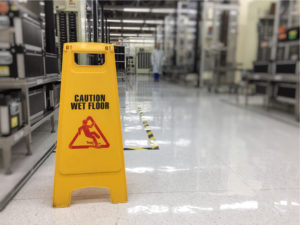
Types of Premises Liability Injuries

  • Slip and Fall Injuries – Slip and fall is a form of premises liability in which a person slips or trips on the property of another individual or business, resulting in an injury. For instance, falling due to defective stairs, standing water, ice and snow, and even sidewalks can give rise to a slip and fall claim. The injuries sustained due to slip and fall may give rise to extensive medical bills and rehabilitation costs. Moreover, it may render you unable to work, thus resulting in loss of wages, and thus affect your finances.
  • Negligent Security – Inadequate security is a type of premises liability that deals with civil redress for wrongdoings and violent acts. Insufficient levels of security at public places such as shopping malls and airports can potentially lead to assaults. It is important that the owners keep their spaces safe for visitors because if someone sustains injuries due to criminal activity, then they can be held accountable.
  • Pool Accidents – When appropriate safety measures are missing around the pool, there is a chance that people, especially children, and elderly folks, can fall and get injured or even drown. There should be warning signs and sufficient fencing around the pool to ensure such occurrences do not take place.
  • Dog Bites – Dogs can bite or attack someone if they get scared, feel threatened or improperly trained. In such cases, the victim may seek compensation from the owner of the dog under premises liability.

Illinois Premises Liability Injury Statistics

Premises liability injuries have become a significant issue in Illinois, impacting thousands of residents every year due to unsafe conditions found on various properties. These injuries can occur in diverse environments, including commercial establishments, residential buildings, and public spaces, leading not only to severe physical harm but also to legal claims that can burden those involved. Understanding the latest statistics surrounding these injuries is crucial for individuals and businesses alike, as it allows them to implement proactive measures to enhance safety and prevent accidents.

Premises Liability Injuries in Illinois Are Widespread

In Illinois, premises liability cases represent a considerable portion of civil litigation, with legal research indicating that these claims account for approximately 11% of all civil cases resolved through trial. This statistic underscores the widespread nature of premises liability issues within the state’s judicial framework.

Every year, emergency rooms across Illinois treat thousands of residents for injuries related to unsafe property conditions. The risks are prevalent and are most often associated with hazards such as wet or slippery floors, poorly designed or defective wiring, loose or uneven carpeting, and sidewalks with significant irregularities. Such dangers not only lead to personal injuries but can also result in long-term physical complications for those affected.

Common Causes of Premises Liability Injuries

Numerous factors come into play when examining the causes of premises liability injuries in Illinois. Some of the most common include:

Slip-and-Fall Accidents – A notable number of injuries arise from slip-and-fall incidents caused by wet floors, icy sidewalks, uneven surfaces, and poorly maintained staircases. These accidents can lead to a range of injuries, from minor sprains to severe fractures and head injuries.

Inadequate Security – Insufficient security measures in both residential apartment complexes and commercial establishments can expose occupants and visitors to risks such as theft, assault, or other criminal activity. Poorly lit areas and lack of surveillance are contributing factors to these vulnerabilities.

Structural Defects – Properties with significant structural deficiencies, such as faulty stairs, broken elevators, and sagging ceilings, can pose serious safety risks to individuals using those spaces. Such hazards may arise from negligence in regular maintenance and inspections, leading to devastating accidents.

Negligent Maintenance – Property owners have a legal responsibility to maintain their properties in a safe condition. Negligent maintenance practices, such as failing to fix broken handrails or neglecting to clear snow and ice, can lead to preventable accidents and injuries.

Legal and Financial Impact

Under Illinois law, property owners are required to inform visitors of known hazards and take reasonable measures to prevent accidents. When property owners fail in these duties, injured parties may pursue compensation for their medical expenses, lost wages, pain and suffering, and other related damages. The financial consequences of premises liability cases can be significant, often resulting in substantial settlements. Compensation may cover a wide array of expenses, including medical bills for hospital stays, physical therapy, rehabilitative treatments, and necessary support services, as well as losses incurred from time away from work due to injury.

Prevention and Safety Measures

To mitigate the risks associated with premises liability claims, property owners can take proactive steps:

Conduct Regular Inspections**: Routine checks of the property can help identify hazards such as leaks, loose railings, or uneven flooring before they result in accidents.

Implement Adequate Lighting and Security**: Installing sufficient lighting in hallways, parking lots, and public areas, along with security measures like surveillance cameras and controlled access points, can greatly enhance safety.

Maintain Walkways and Staircases**: Regular maintenance of walkways, driveways, and staircases is crucial. This includes addressing cracks, providing non-slip surfaces, and ensuring that stairs are properly illuminated and equipped with sturdy handrails.

Act on Maintenance Requests**: Property owners should respond quickly to maintenance requests from tenants or visitors. Prompt repairs of reported issues can prevent minor problems from escalating into serious hazards.

Contact Our Lake County Premises Liability Attorney

Similar to any other personal injury lawsuit, it is important to establish the negligence in order to win the case and obtain compensation for the damages that you sustained. That’s where a personal injury lawyer steps in. Having an attorney by your side will ensure that your legal rights remain protected throughout the settlement and litigation process.

Our competent Lake County personal injury lawyer will gather evidence and devise a strong case in your favor to help you obtain the maximum amount of compensation for the pain and suffering you had to endure due to the negligence of the defendant. Moreover, a skillful personal injury lawyer may even help you obtain a favorable settlement offer that will save you from strenuous and demanding trial process.

Personal Injury Attorney

If you or someone you love has been injured due to unsafe premises, contact Bob Edens today for a free consultation by calling (847) 395-2200.

Preventing Slip and Fall Injuries in the Workplace

Workers Compensation AttorneyAccording to the National Safety Council (NSC), more than 34,673 individuals died from fatal slip and fall injuries at the workplace, while thousands of other individuals are hospitalized on a daily basis. Therefore, slip and fall injuries and worker compensation need a careful assessment and revisit.

Types of Slip and Fall Injuries at the Workplace

A slip or fall can lead to the following injuries that are covered by or protected under the Workers’ Compensation Act. Injuries occurring on-site, or off-site as part of the job can be claimed. They include:

  • Broken or damaged knees or bones due to falling or a heavy object falling,
  • Exposure to chemicals and harmful substance leading to long-term illness,
  • Traumatic brain injuries causing paralysis, stress, or brain damage,
  • Various cuts and bruises.

Slip and Fall Prevention Policies at the Workplace

Almost all employees working in construction, trade, transportation, manufacturing, government and services industry are subject to fatal slip and fall injuries. It is important for the employer to ensure appropriate working conditions that reduce the risk of fall. Some policies include:

  • Keeping the floor dry,
  • Providing safety training to all employees,
  • Have a fall prevention manual made available to all employees,
  • Provide employees with appropriate tools and uniforms to reduce the risk of injuries,
  • Provide weather forecast for external workers

Illinois Workplace Slip and Fall Statistics

Workplace slip and fall accidents pose a significant challenge in Illinois, impacting employees across diverse industries such as construction, healthcare, and retail. These incidents can result in serious injuries, decreased productivity, and expensive workers’ compensation claims. By delving into the statistics surrounding workplace falls, businesses and employees can better understand the risks and implement effective preventive measures.

Prevalence of Workplace Slip and Fall Accidents

According to the U.S. Bureau of Labor Statistics, falls, slips, and trips were responsible for 17% of all workplace fatalities in Illinois in 2023. This alarming figure underscores the serious nature of these incidents and highlights the critical need for enhanced safety protocols and standards in various work environments. Moreover, a report by TorkLaw indicates that slips and falls accounted for 27% of all non-fatal workplace injuries that required workers to take days off.

The consequences of these injuries extend beyond just physical harm; they place significant financial strain on employers due to lost productivity, increased healthcare costs, and workers’ compensation claims. Each incident can lead to operational disruptions, reduced morale among staff, and potential legal ramifications for businesses that fail to provide a safe working environment.

Industries Most Affected

Certain industries in Illinois are particularly prone to slip and fall accidents due to the nature of their work environments. These include:

Construction – Workers in this sector often operate at heights or on uneven surfaces. Falls from scaffolding or ladders are common hazards that can lead to severe injuries or fatalities.

Healthcare and Social Assistance – Hospitals, nursing homes, and other healthcare facilities frequently encounter wet floors due to spills or cleaning activities. This creates a high-risk environment for both patients and staff, where slips can lead to serious injuries.

Transportation and Warehousing – Employees in this field often navigate loading docks and storage areas with uneven surfaces, as well as potential hazards like spilled materials or loose items. These conditions significantly increase the risk of slip and fall incidents.

Retail and Hospitality – In environments where customers frequent, such as grocery stores, restaurants, and hotels, spills, cluttered walkways, and changes in floor surfaces (e.g., from carpets to tiles) can lead to frequent slip and fall accidents.

Financial and Legal Impact

Workplace falls represent a considerable financial burden for employers. The National Safety Council estimates that workplace injuries cost U.S. businesses approximately $171 billion annually, with a significant portion of that attributed to slip and fall incidents. This encompasses workers’ compensation claims, medical expenses, and the costs associated with lost productivity due to employee absences.

Additionally, employers have a legal obligation to ensure safe working conditions. When they fail to meet this standard, they may face legal claims from injured employees, leading to further financial and reputational repercussions. Companies can be held liable for negligence if they do not take the necessary steps to mitigate risks associated with slip and fall accidents.

Prevention Strategies

To effectively reduce the incidence of slip and fall accidents in the workplace, businesses and employees should adopt a variety of preventive strategies:

Implement Comprehensive Safety Training – Educate all employees on the risks associated with slip and fall accidents and provide training on best practices for maintaining a safe work environment.

Maintain Clean and Dry Floors – Regularly inspect and promptly address spills or debris that could contribute to slipping hazards. Consider using mats in areas prone to wetness.

Use Slip-Resistant Footwear – Encourage employees to wear footwear designed to provide better traction and support, particularly in environments where slips are more likely to occur.

Install Handrails and Improve Lighting – Ensure that all stairwells and walkways are equipped with handrails and that all areas, especially those where falls are more likely, are well lit to increase visibility.

Promote Hazard Reporting – Cultivate a culture of safety where employees feel encouraged to report potential hazards. Addressing risks proactively can help prevent accidents before they occur. By thoroughly understanding the statistics related to slip and fall incidents in Illinois workplaces, businesses can take informed, proactive steps to improve safety and reduce injuries. Implementing preventive measures and fostering awareness campaigns is essential in creating a safer work environment for all employees, ultimately leading to increased productivity and morale

Claiming Workers’ Compensation in Illinois After a Workplace Injury

If an employee suffers from slip and fall injuries, their compensation – in the form of medical benefits, insurance, treatment, and future wages if an employee is not able to continue work – are governed by the Workers’ Compensation Act. Any disputes arising between employees and employers could be resolved under the guidance provided by the Illinois Workers’ Compensation Commission (IWCC), which works first as an arbitrator. Then, if unresolved, it moves the case to the circuit court. Employees can also apply for a hearing at the Appellate Court and the Supreme Court, if necessary. Under complications or first time claims, seeking support from a competent personal injury and workers compensation attorney can be helpful to recover financial claims.

If an injury occurs, a claim should be filed with the employer within 45 days of the incident. IWCC will hear the claim as an arbitrator – before the claim is sent to the court. No employer is allowed to harass an employee during the claim process. No claims are processed if an injury occurred due to employee negligence.

Personal Injury Attorney

If you wish to find out more about workers’ compensation and slip and fall injuries in Illinois, schedule a free consultation, contact the offices of Robert Edens at (847) 395-2200 to speak with an experienced personal injury lawyer.

Dog Bites – Can The Owners Be Held Liable?

Dog Bite AttorneyDogs are lovely creatures and make amazing companions, but these canines can harm people by biting them. Over 4.5 million dog bite cases are reported every year in the U.S. alone out of which almost a million bites result in infections leading varying health complications. The numbers suggest that dog bites affect a large portion of the American population which is why states have enacted laws to deal with such cases. Under the Illinois state law, the owner of a dog which attacks people and injures them without provocation can be held liable to compensate the injured person for the injuries incurred by him or her.

What Should You Do If A Dog Bites you?

The first and foremost thing that you need to do after being bit by a dog is seek medical attention. Dog bites can be easily infected therefore it is imperative that you get your wound(s) checked by a doctor. Timely medical treatment can protect you from malicious infections. Secondly, it is important that you identify the dog that attacked you. The identity of the dog is pivotal to your case as it would help you ascertain the identity of its owner.

Once you have gotten the necessary first aid and medical treatment, you must report the attack to the local animal regulatory body or the sheriff’s office. Include all the necessary details about the dog and its owner in your report. If you do not know the identity of the dog, describe it and the area where the incident took place. Taking pictures of the visible wounds and injuries can also augment your case as pictures can be used as evidence to prove your compensation claim.

Illinois Dog Bite Statistics

Dog bites are a pressing issue across the United States, and Illinois stands out as one of the states with the highest frequency of these incidents. The surge in pet ownership, particularly of dogs, has led to a corresponding rise in the number of dog bite cases, resulting in significant medical costs and legal claims for victims.

Illinois Has Some Of The Highest Numbers Of Dog Bite Claims

Illinois consistently ranks second in the nation for the number of dog bite claims filed with insurance companies. In 2022 alone, insurers across the state disbursed over $16 million in claims related to dog bites. The average payout per claim surpassed $50,000, indicating the severe nature of injuries that can result from these incidents. In urban areas, Chicago, notably, ranks third among U.S. cities in terms of dog attacks on postal workers. This alarming statistic highlights the dangers posed by dogs in populated settings.

Furthermore, children are particularly vulnerable to dog bites; these incidents are the second most common reason for emergency room visits among children, emphasizing the need for increased vigilance and preventive measures.

Why Are Dog Bites Increasing?

The rising number of dog bite incidents in Illinois can be attributed to several interconnected factors:

Growing Pet Ownership – The trend of dog ownership has been on the rise, with more families considering dogs as integral members of their households. This increase in pet population naturally leads to greater opportunities for dog-human and dog-dog interactions, which can sometimes escalate into biting situations.

Lack of Proper Training – Numerous dog owners fail to provide their pets with adequate training or socialization. As a result, dogs may not learn appropriate behavior around people and other animals. This lack of training can lead to aggressive reactions, particularly in unfamiliar situations.

Breed-Specific Concerns – Certain dog breeds are statistically more prone to exhibit aggressive behavior, which contributes to a higher likelihood of bites. In response to these concerns, insurance companies are increasingly implementing stringent restrictions on coverage for specific breeds, affecting many dog owners and their ability to secure adequate insurance protection.

Public Spaces & Encounters – As more people take their dogs to parks, neighborhoods, and other public spaces, the chances for negative encounters increase. Unfamiliar environments can provoke anxiety in some dogs, and without proper supervision, these situations can lead to aggressive behavior and subsequent bites.

Legal Implications & Insurance Challenges

In Illinois, the law holds dog owners strictly liable for bites that occur when there is no provocation involved. This legal stance means that if a dog bites someone, the owner is automatically responsible for the resulting injuries and damages. However, many insurance companies are tightening their policies regarding dog ownership, often denying coverage based on breed restrictions or specific policy exclusions. This shift has made it essential for victims of dog bites to seek legal representation to navigate the complexities of securing compensation for medical expenses, lost wages, and emotional trauma.

Preventing Dog Bite Incidents

To mitigate the risk of dog bites, pet owners should take proactive steps, including:

Training and Socialization – Owners should ensure that their pets are well-trained and socialized from a young age. This foundational training can help dogs learn appropriate behavior and reactions in different contexts.

Supervision – Close supervision of interactions between dogs and children is crucial to preventing accidents. This can involve teaching children how to interact safely with dogs and recognizing the signs that a dog may be stressed or uncomfortable.

Education on Responsible Pet Ownership – Owners should educate themselves about dog behavior, the importance of socialization, and the responsibilities that come with owning a pet. This knowledge can foster safer interactions between dogs and people.

Adherence to Leash Laws – Following local leash laws and being cautious in potentially threatening situations can help prevent bites. Owners should assess environments to ensure that their dogs feel secure and are not placed in situations that may provoke aggressive behavior.

How An Illinois Dog Bite Lawyer Can Help You

As Illinois continues to confront the challenge of rising dog bite incidents, awareness and responsible pet ownership remain crucial in preventing future injuries. By understanding the relevant statistics and legal implications, individuals can better protect themselves, their pets, and their communities from the repercussions of dog bites.

Establishing liability in dog bite cases can be quite tricky, which is why most people consult our experienced Illinois dog bite lawyer. From collecting evidence and documenting every important detail to devising a cogent strategy to substantiate your claim, a dog bite lawyer can help you receive financial compensation. The defense might come up with ridiculous arguments and allegations such as claiming that you were trespassing or provoked the canine to attack you. An astute lawyer will foresee any such arguments and counter them effectively using evidence and facts.

Personal Injury Attorney

For more information or to schedule a free consultation, contact The Law Offices of Robert T. Edens, P.C. today at 847-395-2200 to speak with an experienced personal injury attorney.

What You Should Do If You Get in An Auto Accident

Auto accidents can be caused due to a number of reasons; that can result from the driver’s negligence like texting while driving, to environmental factors like the rain, to other factors such as bald tires, etc. Other reasons might include speeding, running a red light, design defects, tire blowouts, and not being aware of the State’s traffic rules and regulations.

Auto Accident AttorneyIt doesn’t matter what the reason for the auto accident was, it is a traumatic experience. However, staying glued to your seat isn’t the right thing to do, and neither is it safe. Read below to find out everything you should do if you get into an auto accident.

What Should You Do Right After The Accident?

  • Check yourself and your fellow passenger for injuries
  • Get away from the car so you are safe in case it catches fire or something else happens
  • Call 911 for help and tell them exactly what happened and what your injuries are
  • Try to stay calm and tend to the bruises till help arrives
  • Take pictures of the car to document the damage
  • Exchange car and insurance information with the other driver
  • Call the insurance company and inform them of the accident
  • Seek medical attention and make a statement with the police
  • Consult an attorney to know the legalities and what should be done in your current scenario

When Is the Right Time to Consult An Attorney?

If you haven’t been in a car accident before, chances are that you don’t know what the right time is to hire an auto accident lawyer. Instead of learning things the hard way or letting the situation get worse, just see if you are in one of the situations that are mentioned below.

  • The settlement offer of the insurance company is too low
  • The insurance company has wrongfully denied your claim
  • You are seriously or moderately injured probably with a residual disability and have hefty future or current medical bills
  • The other party involved in the accident is filing a lawsuit against you
  • You are being wrongfully blamed for the accident
  • The person injured in the accident is a minor
  • You are having trouble proving the extenuating circumstances that can increase the value of your claim
  • Circumstances surrounding the car accident are too complex to be solved or proven without a proper investigation

Illinois Auto Accident Statistics

Auto accidents present a serious public safety issue in Illinois, with thousands of incidents occurring annually. By examining the latest statistics and understanding the factors contributing to these accidents, drivers can equip themselves with the knowledge needed to enhance road safety and minimize risks.

Auto Accidents in Illinois Trending Up

The state of Illinois consistently reports alarmingly high numbers of motor vehicle accidents. According to data from the Illinois Department of Transportation (IDOT), various trends in crash data are meticulously tracked to identify areas needing improvement and to refine roadway safety measures. For instance, in 2025, Illinois experienced over 1,200 fatal crashes, marking a slight increase compared to previous years. This upward trend emphasizes the ongoing necessity for preventive measures and heightened awareness among drivers.

Common Causes of Auto Accidents

Several key factors significantly contribute to the frequency of auto accidents in Illinois, including:

Distracted Driving – This remains one of the leading causes of vehicular crashes, with cell phone use, texting, and other distractions diverting drivers’ attention from the road. Even brief moments of inattention can lead to devastating consequences.

Speeding – Excessive speed is a major contributor to severe accidents and the resulting fatalities. Drivers who exceed speed limits or drive too fast for conditions significantly increase the likelihood of losing control of their vehicle, resulting in catastrophic outcomes.

Driving Under the Influence – Alcohol and drug-related incidents remain a persistent concern. Despite ongoing awareness campaigns, impaired driving continues to endanger the lives of drivers, passengers, and pedestrians alike.

Weather Conditions – Adverse weather conditions, such as snow, rain, and fog, elevate the risk of accidents. These conditions can reduce visibility and road traction dramatically, especially during the winter months when Illinois is often subjected to severe weather.

Fatality Trends & High-Risk Areas –  Illinois has recorded fluctuations in fatal accident rates over the years, with more than 1,300 fatalities due to auto-related incidents in 2025 alone. Certain areas, particularly urban environments such as Chicago, experience higher crash rates due to factors like dense traffic, congestion, and a greater number of pedestrians. These high-risk areas often require targeted interventions to enhance safety and reduce the likelihood of accidents.

Safety Initiatives & Prevention

To address and mitigate the increasing rates of auto accidents, Illinois has rolled out several comprehensive safety initiatives, including:

Stricter Enforcement of Traffic Laws – Authorities have intensified efforts to enforce existing traffic laws, specifically targeting speeding and driving under the influence. Increased police presence and check points aim to deter reckless driving behavior.

Public Awareness Campaigns – Ongoing educational campaigns have been designed to raise awareness among drivers about safe driving practices, the dangers of distractions, and the consequences of impaired driving. These campaigns often use various media platforms to reach a wide audience.

Infrastructure Improvements – The state has invested in infrastructure upgrades, including better signage, lighting, and road maintenance. These improvements aim to address specific high-risk areas and improve overall road conditions, contributing to safer driving environments.

Call Our Lake County Car Accident Attorney To Receive A Free Consultation

If you’re recovering from car accident injuries and need legal guidance, The Law Offices of Robert T. Edens, P.C. is here to support you. Our attorneys understand the importance of follow-up care in both your recovery and personal injury claim. We’ll work to secure fair compensation for your medical expenses, pain, and suffering.

Contact our Lake County car accident attorney at The Law Offices of Robert T. Edens, P.C., by calling 847-395-2200 to receive a free consultation. Let’s discuss your case and learn how we can assist you in navigating the accident injury claims process. We represent clients in Antioch and throughout Northern Illinois.

For more information or to schedule a free consultation, contact The Law Offices of Robert T. Edens, P.C. today at 847.395.2200 to speak with an experienced attorney on this topic.


Public Transportation Accidents

Injury AttorneyIn the United States, accidents involving public transportation entities such as taxis, buses, and trains are not rare, and many people suffer injuries during the commute. These carriers offer services to the general public, therefore, need a license of a regulatory government body to operate. Hence, they are required to exercise the highest degree of care to ensure the safe travel of their passengers.

Causes of Public Transportation Accidents

There are numerous reasons that can lead to an accident involving public transportation, most of which usually involves negligence. Some of the common causes include:

  • Driver fatigue.

  • Driver impairment.

  • Failing to adhere to traffic laws.

  • Faulty vehicle maintenance.

  • Speeding.

Liability Rules Regarding Public Transportation Accidents

Public transportation is mostly owned by a municipality, thus different liability rules apply to accidents involving taxis, buses, and trains. The procedure of the claim is generally longer compared to conventional auto accidents involving cars and trucks. The laws that govern these types of lawsuits are referred to as State Tort Claims and usually, fall under State Tort Claims Acts.

The amount of compensation will vary from one case to another, but there are certain limitation and caps applicable in case of public transportation i.e. many states allow a maximum amount of $100,000 to be paid as compensation, despite the number of damages it caused. Furthermore, the statute of limitations in cases involving public transportation accidents are much briefer, as shorter as six months or even less.

Illinois Public Transportation Accident Statistics

Public transportation is an essential component of daily life in Illinois, serving millions of residents by offering access to a variety of transit options, including buses, trains, and light rail systems. Despite its importance, safety concerns arise due to the potential for accidents involving public transportation vehicles. These incidents can lead not only to injuries and fatalities but also to significant financial implications for those involved. By examining the latest statistics and trends, both policymakers and commuters can take proactive measures to enhance safety in public transportation.

Frequency of Public Transportation Accidents in Illinois

The frequency of public transportation-related accidents in Illinois is noteworthy, with the Illinois Department of Transportation (IDOT) reporting a substantial number of incidents annually. In 2025, the state documented hundreds of accidents involving various transit modes, such as buses, trains, and other vehicles. Although many of these incidents resulted in minor injuries, there were numerous cases that had severe outcomes, including deaths. This alarming trend underscores the need for ongoing efforts to improve safety protocols and reduce the occurrence of such accidents.

Factors Contributing to Illinois Public Transportation Accidents

A wide range of factors contributes to public transportation accidents in Illinois, including:

Driver Error – Human mistakes by transit operators are a major cause of accidents. Factors like distracted driving, misjudging traffic conditions, or failing to adhere to safety protocols can result in serious collisions. Training programs that focus on reducing these errors are critical for improving overall safety.

Mechanical Failures – Issues with critical vehicle components—such as brakes, engines, and other mechanical systems—can greatly increase the risk of accidents. Regular maintenance and timely inspections are vital to ensure that all vehicles remain in safe, operating condition.

Incidents Involving Pedestrians and Passengers – Slip-and-fall accidents among passengers inside buses and trains are particularly common, especially in crowded conditions where the risk of losing balance is heightened. These incidents can lead to injuries ranging from minor bruises to severe fractures.

Adverse Weather Conditions – Weather can play a significant role in transit-related accidents. Snow, rain, and fog can impair visibility, reduce traction, and create hazardous travel conditions, making it crucial for transit systems to adapt operations accordingly during inclement weather.

Safety Initiatives and Prevention

In response to these challenges, Illinois has implemented several robust measures designed to enhance public transportation safety:

Enhanced Driver Training Programs – By providing comprehensive training that emphasizes safe driving practices, transit agencies are working to minimize operator errors and improve overall driving performance.

Regular Vehicle Inspections – Instituting routine inspections helps identify and address mechanical issues before they result in accidents. This proactive approach is essential for maintaining the safety of transit vehicles.

Infrastructure Improvements – Upgrading transit infrastructure is critical for safety. This includes installing better lighting at transit stops, improving signage, and enhancing pedestrian crossings to ensure the safety of those accessing public transportation.

Public Awareness Campaigns – Initiatives aimed at educating commuters about safety practices are essential. These campaigns can inform the public about how to travel safely on public transit, including being mindful of surroundings and reporting unsafe conditions.

Why Hire A Public Transportation Accident Lawyer?

If you were involved in a public transportation accident, it is highly important that you seek legal counsel from an experienced personal injury lawyer to ensure that your legal rights remain protected. Moreover, as the accident cases pertaining to public transportation entities are different from conventional auto accidents, there is a specific procedure to initiate a lawsuit, thus having a competent personal injury lawyer in Lake County is essential to pursue a claim.

If you did not sustain critical injuries, you should take photos of the scene of the incident from different angles, showing any personal injuries or damages to the property. You should also obtain a copy of the police report and contact information from the witnesses if any. This will enable your personal injury lawyer to devise a solid case against the negligent party and help you obtain maximum compensation for your loss and sufferings.

Personal Injury AttorneyIf you wish to find out more about public transportation accidents or schedule a free consultation, contact the offices of Robert Edens at (847) 395-2200 to speak with an experienced personal injury lawyer.

What Is The Time Limit To File A Personal Injury Case?

Personal Injury AttorneyIf you have been injured in a car accident, a slip and fall, or some other incident due to someone else’s reckless or careless behavior, you should be thinking about filing a personal injury case in Illinois’s civil courts.

However, it is essential that you know, understand, and comply with the statute of limitations in such a case. The statute of limitations is essentially a deadline before which a personal injury claim has to be filed.

Time Limit to File a Personal Injury Case

Illinois law has set a deadline of two years on filing a personal injury case in the state’s civil court. This two-year time limit usually starts from the date on which an accident takes place.

In certain cases, the two-year time limit might start from the date on which you found out about your injury, rather than the date on which you were actually injured.

Why Is There a Deadline to File a Personal Injury Case?

One reason why there’s a deadline to file a personal injury case is that as time moves on, it gets more and more challenging, or even impossible, to prove an injury in court. This is because there’s a high risk of the evidence getting lost or corrupted. Moreover, the people involved may start also start forgetting important details related to the incident.

What Happens if You Miss the Deadline?

If more than two years have passed since the time you got injured, but you still try to file a personal injury claim, the defendant will certainly take up this point in court and file a motion to dismiss. If the court dismisses your case, you will lose the entitlement to receive damages for your injuries, regardless of how serious they might be.

Illinois Personal Injury Statistics

Personal injury cases represent a significant legal concern in Illinois, impacting thousands of residents annually. These cases arise from a range of incidents, including workplace injuries, motor vehicle accidents, medical malpractice, and slip-and-fall accidents. A deeper understanding of the statistics and factors surrounding these incidents can empower individuals to implement preventive measures and pursue appropriate legal action when necessary.

The Scope of Personal Injury Cases in Illinois

Every year, Illinois witnesses a substantial number of personal injury claims. Among these, motor vehicle accidents rank as the leading cause, followed closely by slip-and-fall incidents and workplace injuries. According to data from the Illinois Department of Public Health, understanding injury-related statistics aids policymakers in allocating resources and implementing safety measures effectively in high-risk areas.

A study conducted by Jury Verdict Research indicates that the median damages awarded in personal injury lawsuits in Illinois is approximately $26,624. What’s more, plaintiffs who take their cases to trial have a 51% chance of receiving compensation. This data reflects the challenging landscape for victims seeking justice, highlighting the importance of having knowledgeable legal representation.

Common Causes of Personal Injuries

Various factors contribute to the high incidence of personal injury cases in Illinois, including:

Motor Vehicle Accidents – Illinois sees thousands of motor vehicle collisions each year, resulting in serious injuries and fatalities. Distracted driving, speeding, and driving under the influence of drugs or alcohol are common contributors to these accidents. Pedestrians and cyclists are particularly vulnerable, often suffering devastating injuries in collisions with motor vehicles.

Workplace Injuries – Certain industries, such as construction and manufacturing, report disproportionately high rates of work-related injuries. Common incidents include falls from heights, equipment accidents, and repetitive strain injuries. Employers are legally obligated to maintain a safe working environment, and breaches of these regulations can lead to serious injury for employees.

Slip-and-Fall Accidents – These accidents occur when individuals slip, trip, or fall due to unsafe conditions in public or private spaces. Common causes encompass wet or icy floors, uneven walkways, and inadequate lighting. Property owners have a duty to maintain safe conditions for visitors, and failure to do so can result in legal liability for injuries sustained on their premises.

Medical Malpractice – This occurs when healthcare professionals fail to meet the standard of care expected, resulting in harm to patients. Common examples include incorrect diagnoses, surgical errors, and medication mistakes. Victims of medical malpractice often face long-term health complications and significant financial burdens due to medical expenses and rehabilitation.

Financial and Legal Impact

The repercussions of personal injury cases can be severe, leading to considerable financial burdens. Victims may incur high medical expenses, lose wages due to inability to work, and face ongoing rehabilitation costs. Therefore, understanding the compensation process is critical. Insurance companies play a crucial role in the claims process, often assessing damages and offering settlements.

However, negotiations with insurance representatives can be complex and may not always result in fair compensation. The legal system in Illinois has witnessed multi-million dollar settlements, such as a notable $12 million verdict awarded to a semi-truck driver who suffered a severe spinal injury due to a rear-end collision.

Injury Prevention and Legal Recourse

To mitigate the risk of experiencing a personal injury, residents can take proactive steps:

Follow Traffic Laws – Adhering to traffic regulations and practicing safe driving habits significantly reduces the likelihood of motor vehicle accidents. Defensive driving techniques and avoiding distractions can help keep roadways safer.

Workplace Safety – Employees should utilize proper safety equipment and adhere to safety protocols in the workplace. Employers must provide adequate training and ensure that the work environment is free from hazards.

Caution in Public Spaces – Individuals should be vigilant in public areas to prevent slip-and-fall accidents. Reporting hazardous conditions to property owners or management can help promote safer environments for everyone.

Seek Legal Advice

If you experience a personal injury due to someone else’s negligence, contacting a qualified attorney can provide valuable guidance in navigating the legal system and pursuing rightful compensation.

Contact Our Illinois Personal Injury Attorneys In Antioch

If you have any questions regarding Illinois’s statute of limitations and how it applies to your personal injury case, particularly if the deadline is near or has passed, you need to consult with experienced attorneys at The Law Offices of Robert T. Edens. We have more than twenty years of experience in safeguarding the rights of personal injury victims in McHenry & Lake Counties and are always ready to fight for your right to receive compensation.

Personal Injury Attorney

You can visit any of our offices located in Barrington, Woodstock, Grayslake, Waukegan, and Antioch or simply dial (847) 395-2200 to get in touch with our team.

How Severe Must Back Injuries Be For Personal Injury Compensation?

Back InjuriesIrrespective of their severity, back injuries can be quite painful and can last for months, if not years. These can occur in almost any work environment. The symptoms can range from mild to chronic pain that can make your job extremely difficult, if not impossible. This includes negligent parties who were at fault for your injury. So your back injury doesn’t have to be serious to be eligible for a personal injury claim.

If you are denied compensation from your employer, an Antioch spinal cord lawyer can ensure you can recover damages.

Types of Back Injuries You Can Claim As Personal Injuries

Some of the common types of back injuries that you can file a claim for include the following:

Back Injuries Resulting From Twisting, Lowering, and Lifting

Lifting and lowering heavy objects can strain your back. With time, the sprain can turn into a serious injury. If you do this regularly and feel a sharp pain in your back every time you twist, you should get yourself checked out.

Back Injuries from Prolonged Standing or Sitting

If you type for hours every day or have a job where you stand for the whole day, your back is suffering. If you wear a heavy tool belt all day, you can injure your back seriously unless your employer is proactive enough to prevent it. Since your work can result in injuries, your boss is responsible for your safety.

Spinal Fractures from Falls or Accidents

Spinal fractures and injuries are common on construction sites that do not take safety seriously. These injuries can prove life-threatening or can lead to permanent paralysis.

Herniated disc

The jelly-like fluid between the discs of our spinal cord prevents them from rubbing against one another. With time and repetitive work (such as typing for hours), the fluid can escape its confines because of a rupture. The result is severe back pain which can prevent you from working and maintaining the quality of life you are used to.

Anterior Cord Syndrome

ACS is a serious spinal cord injury that can lead to temporary or permanent paralysis. The condition compromises the sensory pathways that connect the spinal cord to your body. Besides mobility loss, you can also experience other complicated symptoms.

A Chicago spinal cord lawyer will tell you that you need to prove that your back injury is work-related to be eligible for compensation. If it occurred because of something you were doing for your employer, you should not pay out of pocket for your medical bills. Whether the injury occurred on the worksite or off, you are eligible if it occurred because of work.

Illinois Back Injury Statistics

Back injuries rank among the most frequently occurring workplace and personal injuries in Illinois, impacting thousands of residents annually. These injuries can arise from a variety of sources, including workplace accidents, motor vehicle collisions, or even daily activities like lifting, twisting, or bending. The consequences of back injuries often extend beyond immediate physical discomfort, leading to chronic pain, loss of income, and the potential for long-term disability that can significantly affect individuals’ quality of life.

Prevalence of Back Injuries in Illinois

Every year, Illinois witnesses a high volume of back injury cases, particularly in industries known for their physically demanding tasks, such as construction, healthcare, and manufacturing. According to the Illinois Department of Public Health, back injuries constitute a significant proportion of workplace-related musculoskeletal disorders, which affect the muscles and skeleton. Furthermore, the U.S. Bureau of Labor Statistics reveals that back injuries rank among the top causes of missed workdays. With thousands of cases documented each year, these injuries present a serious concern for both employees and employers.

Common Causes of Back Injuries

Various factors contribute to the high incidence of back injuries throughout Illinois, including:

Workplace Strain – Many jobs require heavy lifting, repetitive motions, or awkward postures, which can lead to muscle strain or spinal injury. In industries like construction, workers often lift heavy materials or equipment without adequate training, increasing their risk of injury.

Car Accidents – Illinois has one of the busiest road networks in the country, leading to thousands of motor vehicle accidents each year. Many of these collisions result in back and spinal injuries, which can range from minor strains to severe trauma requiring extensive medical intervention.

Slip and Falls – The likelihood of slipping or falling increases in environments with wet floors, icy sidewalks, and uneven surfaces. Such falls can result in serious back injuries, particularly among elderly populations or those with pre-existing conditions.

Sports and Recreational Activities – Engaging in high-impact sports or physical activities can heighten the risk of back injuries. Athletes, especially younger individuals, may push their bodies beyond safe limits, leading to acute injuries such as sprains or chronic conditions like disc degeneration over time.

The Financial and Health Impact of Back Injuries

Back injuries can incur substantial long-term medical expenses that encompass everything from initial physician visits to ongoing treatments like physical therapy, surgical procedures, and pain management. The National Safety Council has reported that workplace injuries, including back-related incidents, cost businesses millions of dollars each year due to lost productivity, workers’ compensation claims, and associated medical costs. Moreover, individuals suffering from back injuries may face not only physical limitations but also emotional and psychological challenges, including anxiety and depression related to their health and financial stresses.

Prevention and Treatment

To mitigate the risk of back injuries, both individuals and employers should adopt comprehensive strategies that include:

Practicing Proper Lifting Techniques – Education on safe lifting practices can help workers avoid unnecessary strain. This includes bending knees instead of at the waist, keeping loads close to the body, and avoiding twisting movements while lifting.

Implementing Ergonomic Solutions – Employers should invest in ergonomic furniture and equipment, including adjustable chairs, desks, and tools designed to reduce strain on the back and enhance overall comfort during work.

Encouraging Regular Exercise – Engaging in stretching and strengthening exercises can improve spinal health and overall physical resilience. Activities such as yoga or specific strength training can help build core stability, which supports the back.

Stressing the Importance of Seeking Medical Attention

Individuals experiencing ongoing or severe back pain should promptly seek medical evaluation to address possible underlying issues and prevent long-term complications. As Illinois continues to face an increasing number of back injury cases, enhancing awareness and adopting preventative measures remains vital. By understanding the statistics, common causes, and risks, individuals and employers can take proactive steps to safeguard their health and well-being. Recognizing the importance of prevention, timely treatment, and education can ultimately lead to a healthier workforce and community

Contact Our Back Injury Attorneys in Antioch for Legal Consultation

If you or someone you know got injured on the job and are suffering and paying their medical bills because their employer refused to, contact our Antioch back injury attorneys at the Law Offices of Robert T. Edens by dialing (847) 395-2200 today. We understand how debilitating these injuries can be and help you get the compensation you deserve. Don’t suffer just because your claim was denied. Take action now and get in touch with us for a free consultation on legal options.

Do I Have To Go To The Doctor My Employer Tells Me To?

Illinois workers' compensationIn Illinois, injured workers can receive workers’ compensation benefits as permitted by law and they also have the right to choose their own medical treatment. If they are not allowed to do so, they have every right to hire a worker’s comp lawyer in Waukegan and sue their employer or insurance company.

Medical Rights For Injured Workers

According to the Illinois Workers’ Compensation Act, employers have to provide employees with coverage for their work-related injuries. The Act also specifies employees have the right to choose their own doctor for their medical treatments.

That way, they can rest easy knowing that they can choose one they are comfortable with and has their best interests at heart. In contrast, a doctor who has an ongoing relationship with an employer or insurance agency can lead to a conflict of interest.

The Two-Doctor Rule

Unfortunately, a few employers do try to force injured employees to receive medical care at ‘company clinics’ to reduce the compensation they need to pay. However, as per Illinois law, injured workers have the right to select two doctors for their care. This is called the Two Doctor Rule.

Here is an example to elucidate this further. Say you injured your back at work trying to lift a heavy load at work. You visit a family doctor who prescribed physical therapy as part of your treatment. When the treatment doesn’t work as well as thought, you are sent to an orthopedic surgeon who orders an MRI and from the tests discovers you slipped a disc.

He then sends you to a pain management specialist, but when that doesn’t work to alleviate your pain, you are recommended surgery. However, before that, you are sent to a cardiologist for clearance and also have to hire an anesthesiologist for the surgery.

According to the Illinois Workers’ Compensation Act, all of these physicians will be considered a single physician choice. That’s because they were recommended by the one you chose.

Employer Assigned Physicians

In some cases, employers may choose a doctor for employees who suffer from work-related injuries. However, they have to ensure that the initial medical exam is conducted at a reasonable location and at a time that is convenient for the employee.

Plus, the employer also has to pay all of the expenses pertaining to the visit. This includes the cost of the exam, the consultation, lost wages along with the meals and travel expenses of the employee. Additionally, the doctor he chooses also has to provide a copy of the exam report to them. The employee can go to the initial exam, but may change doctors for further medical treatments.

Frequently Asked Questions About Medical Rights For Injured Workers In Illinois

What medical benefits are available to injured workers in Illinois?

Injured workers are entitled to full coverage for medically necessary treatments recommended by their doctors. This includes hospital visits, surgeries, medications, and physical therapy.

Can I choose my own doctor for treatment?

Yes, in most cases, injured workers can choose their own doctor. If your employer has a Preferred Provider Program, you may have some limitations, but you can still choose two doctors for treatment.

What if my employer disputes my medical treatment?

If your employer disputes your medical treatment, you may need to attend a hearing or mediation to resolve the issue. Consulting with a workers’ compensation attorney can help you navigate this process.

Can I ask for accommodations before returning to work?

Yes, you can request accommodations such as changes in job responsibilities or assistive technology to help you return to work. Your employer should work with you to accommodate your needs.

What happens if I reach maximum medical improvement?

Once you reach maximum medical improvement, your benefits may end or only cover certain expenses. It’s important to follow your doctor’s recommendations to ensure a full recovery.

How do I file a claim for medical benefits?

You should notify your employer about your injury and file a claim with the Illinois Workers’ Compensation Commission. Provide all necessary medical documentation to support your claim.

What if my employer doesn’t cooperate with my medical needs?

If your employer is not cooperative, you can seek legal assistance to enforce your rights. An attorney can help you navigate the legal system and ensure you receive the necessary medical care.

Contact Our Waukegan Workers’ Comp Lawyer

If you have been injured at work and your employer or the insurance agency refuses to compensate you, get in touch with our workers’ comp lawyer in Waukegan at the Law Offices of Robert T. Edens today. We offer aggressive representation for worker compensation claim violations. If you cannot find the information you are looking for, please do not hesitate to get in touch with us at our offices in Chicago, Waukegan, Libertyville, Woodstock, and Antioch, IL.

(Updated 1/20/2025)

How Long Does it Take to Receive Workers’ Compensation?

workers compensationYour employer’s insurance company typically offers workers’ compensation for settlement claims, and they will try to go as low as possible. 12 to 18 months is the average time to reach a settlement agreement. However, it can increase to 24 months or longer if the insurance company digs in its heels and says your claim isn’t valid.

At this point, you need a team of experienced and dedicated Illinois workers’ compensation lawyers to ensure you get fair coverage promptly. They can also negotiate with the insurance company or file a lawsuit on your behalf if they refuse to cooperate.

Factors That Impact Workers’ Comp Timelines

Some of the common factors that can delay a settlement for workers’ compensation include the following:

The Injury Severity

To determine the amount of worker’s comp you will receive, you need to acquire a ‘state of permanency.’ To achieve this, a doctor has to determine that you have recovered from your injuries or illness as much as you could and reached maximum medical improvement (MMI).

Disputes

Most employers want to reduce the number of approved claims as much as possible to keep insurance costs low. If your employer wants to do the same, they may question your claim by doubting whether it is work-related. They may also claim you can return to work because you are not as seriously injured as you say you are. Any such disputes can delay settlement.

The Time You Hire a Workers’ Compensation Lawyer

Some injured parties can wait months before seeing how their claim is handled and only hire a lawyer when they face disputes. That is the worst thing you can do. At that point, you may not have access to essential evidence or may receive poor medical aid that can affect your case. This can also delay settlement, but not if you hire experienced legal representation.

The Settlement Size

You can find a complete schedule of permanent partial disability (PPD) benefits in the Illinois Workers’ Compensation Act. The schedule is determined according to the number of weeks you have to be paid. For example, suppose your limb is amputated or you suffer from a complete or permanent loss of a body part because of a workplace accident. In that case, you can get the maximum settlement for PPD benefits. There is a different schedule for workers who suffer from partial body part loss, such as a finger or thumb.

The bottom line is that the larger the injury, the longer worker’s comp settlements take. Impairment ratings also impact the duration. For instance, if your physician gives you a 20% permanent impairment rating but is disputed by the insurance company, the timeline for the settlement can also change drastically. The rating will significantly impact the amount of money you get, so the insurance company may double down on their efforts to change it in their favor. A dispute can lead to six months in delays, if not more unless you have experienced Illinois workers’ compensation lawyers in your corner.

Frequently Asked Questions About Workers’ Compensation

What is workers’ compensation?

Workers’ compensation is a state-mandated program that provides financial benefits and medical care to employees who are injured or become ill due to their job. It helps cover medical expenses, lost wages, and rehabilitation costs.

Who is eligible for workers’ compensation?

Most employees are eligible for workers’ compensation if they are injured or become ill while performing their job duties. However, eligibility can vary by state and job type.

What should I do if I’m injured at work?

Report the injury to your employer as soon as possible. Provide details about the date, time, and circumstances of the injury. Seek medical attention if necessary.

What types of injuries are covered by workers’ compensation?

Workers’ compensation covers a wide range of injuries, including accidents, repetitive stress injuries, and illnesses caused by workplace conditions.

What benefits can I receive through workers’ compensation?

Benefits can include medical expenses, wage replacement, vocational rehabilitation, and disability benefits.

Can I choose my own doctor for treatment?

In most states, you can choose your own doctor for treatment, but there may be specific rules and procedures to follow.

What if my employer disputes my claim?

If your claim is disputed, you may need to attend a hearing or mediation to resolve the issue. It’s often helpful to consult with a workers’ compensation attorney.

Can I sue my employer for a work-related injury?

Generally, workers’ compensation laws prevent employees from suing their employers for work-related injuries. However, there are exceptions, such as cases involving intentional harm.

How long do I have to file a workers’ compensation claim?

The time frame for filing a claim varies by state, but it’s important to report the injury and file the claim as soon as possible to avoid delays or denials.

What if I’m unable to return to my previous job?

If you’re unable to return to your previous job, workers’ compensation may provide vocational rehabilitation services to help you find new employment or retrain for a different job.

Contact Robert Edens for Disputes on a Workers’ Compensation Claim

Robert Edens has decades of experience representing employees like you and ensuring they get the maximum settlement amount following a worker’s comp claim. He is not afraid to go toe-to-toe with the insurance company if it means you can get a big payout. Contact our Antioch workers’ compensation lawyers for a consultation at the Law Offices of Robert T. Edens today at 847-395-2200!