
Understanding Illinois Dog Bite Laws

Dog Bite Lawyer

A Complete Guide for Residents of Antioch and Surrounding Areas

Dog bites and animal attacks can cause serious physical injuries, emotional trauma, and financial strain for victims. In Illinois, including Antioch, Lake County, and nearby communities such as Waukegan, Zion, and Gurnee, the law offers important protections for individuals injured by dogs. Understanding how the legal system works after a dog bite is essential for ensuring your rights are protected and pursuing fair compensation for your losses.

This comprehensive guide explains Illinois dog bite laws, how liability is determined, what steps you should take after an attack, and how an attorney can assist you in navigating the legal process.

What Illinois Dog Bite Laws Are Designed to Do

In Illinois, the Animal Control Act provides the legal framework that governs dog bite and animal attack cases. The relevant statute, 510 ILCS 5/16, establishes that a dog owner is strictly liable for injuries caused by their dog under certain conditions. This means that in many cases, the injured person does not have to prove negligence to hold the owner responsible for damages.

The law was enacted to encourage responsible pet ownership, protect public safety, and make victims whole when an animal causes harm. It applies throughout the state, including Chicago’s northern suburbs and rural communities.

What Strict Liability Means in Illinois

Unlike states that apply a “one bite rule,” which requires proof that a dog previously exhibited dangerous behavior before liability attaches, Illinois uses strict liability. Under this standard:

  • A dog owner can be held responsible for injuries even if the dog has never bitten anyone before.

  • The owner’s lack of knowledge about the dog’s temperament is not a defense.

  • The focus is on whether the statutory elements are met.

To prevail in a dog bite claim under the Animal Control Act, a victim must generally establish three key elements:

  1. The dog attacked, attempted to attack, or injured the person.

  2. The injured person was lawfully present where the incident occurred.

  3. The person did not provoke the dog.

Who Is Considered “Lawfully Present”?

Being “lawfully present” means that at the time of the dog bite, the victim was in a place where they had a legal right to be. This can include:

  • Walking down a public sidewalk or park path.

  • Visiting a friend or neighbor at their home.

  • Delivering mail or packages.

  • Performing work, such as landscaping or utility services.

  • Attending an event or doing errands at a business.

If the victim was trespassing or committing a crime at the time of the incident, Illinois law may limit the owner’s liability. Legal presence is a key distinction in many claims.

What Counts as Provocation?

Provocation occurs when a person’s conduct provokes a dog to attack — for example:

  • Teasing or taunting the dog.

  • Pulling the dog’s tail or ears.

  • Threatening the animal in a way that could reasonably trigger aggression.

If provocation can be proven, the dog owner may not be held strictly liable. However, disputes over provocation often require detailed examination of the incident facts, witness testimony, and sometimes expert evidence.

Damages You Can Seek After a Dog Bite

If you are injured in a dog attack in the Antioch area or surrounding communities, you may be entitled to compensation for your injuries and losses, including:

  • Medical expenses (current and future care)

  • Lost wages and loss of earning capacity

  • Pain and suffering

  • Emotional distress

  • Scarring or permanent disfigurement

  • Rehabilitation and physical therapy costs

A dog bite injury claim can also include costs related to psychological trauma, especially when the injuries result in anxiety, post-traumatic stress, or long-term emotional harm.

Steps to Take After a Dog Bite

Taking the correct steps immediately following a dog bite can significantly affect your ability to recover compensation:

  1. Seek Medical Care Promptly
    Even minor bites carry a risk of infection or serious complications. Immediate treatment protects your health and creates important documentation for your case.

  2. Report the Incident
    Notify local authorities or animal control. Many municipalities, and often county health departments, require reporting dog bites so that animals can be confined and observed for rabies or other diseases.

  3. Document the Scene
    Take photographs of the injuries, the dog (if possible), the location, and any visible hazards. Get contact information for witnesses.

  4. Preserve Evidence
    Keep records of medical treatment, police or animal control reports, and any correspondence with insurance companies.

  5. Contact an Experienced Attorney
    A skilled personal injury lawyer can help establish liability, handle insurance negotiations, and file a lawsuit if necessary.

Dog Owner Responsibilities Under Illinois Law

Under Illinois law and local ordinances that apply in Antioch, Waukegan, and nearby communities, dog owners must exercise reasonable control over their pets. Owners of vicious or dangerous dogs — those that have attacked without justification or pose a severe risk of injury — may be subject to stricter containment requirements, such as secure fencing, muzzle use, or liability insurance.

In addition, after a reported bite, the dog may be confined and observed for a specified period — typically ten days — to monitor signs of rabies, as required under 510 ILCS 5/13. Only licensed veterinarians may release the animal following this observation period.

Statute of Limitations for Dog Bite Claims

In Illinois, you generally have two years from the date of the injury to file a civil lawsuit for compensation. If you fail to file within this deadline, you risk permanently losing your right to pursue damages, making timely legal action essential.

Common Defenses to Dog Bite Claims

Insurance companies and defense attorneys often raise common defenses to limit liability, including:

  • Claiming the victim provoked the dog.

  • Arguing the victim was not lawfully present.

  • Suggesting the injury was pre-existing or unrelated to the dog’s actions.

  • Mischaracterizing the dog’s behavior as play rather than an attack.

A knowledgeable attorney can anticipate and counter these defenses with evidence and strategy.

How an Attorney Can Help Your Case

Experienced personal injury lawyers understand the nuances of dog bite statutes, liability standards, and local rules in the greater Antioch and Lake County region. Your attorney can:

  • Conduct a thorough investigation into the incident.

  • Gather and preserve evidence, including medical records and witness accounts.

  • Calculate full compensation for both economic and non-economic losses.

  • Communicate with homeowners’ or renters’ insurance carriers.

  • File a lawsuit if a fair settlement is not reached.

  • Represent your interests in mediation or court.

Legal representation can make a critical difference in maximizing your recovery and ensuring your rights are protected.

Frequently Asked Questions About Illinois Dog Bite Laws

What If the Dog Didn’t Actually Bite Me but Caused Injury?

Illinois law covers not only bites but other physical injuries caused by dogs, such as being knocked down and hurt. As long as the injury resulted from the dog’s actions without provocation and you were lawfully present, the owner may be liable.

Do I Have to Report a Dog Bite to Animal Control or the Police?

While state law does not always require reporting, many cities and counties in Illinois — including parts of Lake County — have local reporting requirements. Reporting helps document the incident officially and triggers the animal confinement process to monitor for rabies.

Can I Still Recover if I Was Partially at Fault?

Illinois dog bite law focuses on strict liability, but issues like provocation or unlawful presence may affect liability. A qualified attorney can help evaluate fault and pursue the strongest legal theory in your case.

What Compensation Can I Claim?

Compensation can include medical bills, lost income, future care costs, pain and suffering, scarring, disability, and emotional trauma. Your lawyer will help quantify all relevant damages.

Personal Injury Attorney

Dog bites and animal attacks can be traumatic and life-altering. If you or a loved one has been injured by a dog in Antioch, Lake County, or surrounding communities, do not navigate the legal process alone. The laws governing dog bite liability in Illinois are complex, and insurance companies often act aggressively to minimize payouts.

Consult a dedicated personal injury attorney familiar with Illinois dog bite laws and the local legal landscape. Early legal guidance ensures that evidence is preserved, deadlines are met, and you pursue the full compensation you deserve.

Many people in Illinois own a dog, and it is their duty to train them in a way that they are not a threat to the public. If you have been bitten or injured by a dog and meet all the conditions of the Illinois dog bite law, you should file a case against the dog’s owner. Contact the Law Offices of Robert T. Edens, P.C. at (847) 395-2200 or online today to schedule your initial consultation with our experienced personal injury attorney.

Illinois Worker’s Comp Rules you Need to Know

workers compMost Illinois employers have to pay their employee worker’s comp insurance. The insurance is designed to compensate employees who get injured on the job by covering their medical expenses.
Basic Rules about Illinois Worker’s Compensation

In Illinois, employers are required to:

  • Purchase insurance for their employees in the form of worker’s compensation or acquire permission for self-insurance as per the law.
  • Ensure that a note detailing workers’ comp benefits is posted in a noticeable place in the workplace.
  • Maintain records of work-related injuries and report accidents that result in at least three lost workdays.

Besides these rules, employers are forbidden from:

  • Charging employees for any benefits they claim for worker’s compensation.
  • Firing, refusing to hire, or discriminating against an employee who claims compensation as per their rights under the Worker’s Compensation Act.

The Act covers all potential workplace injuries and illnesses, whether partially or in whole. Even if you were injured because of a mistake, you would still be covered if the incident is covered as per compensation laws. Some of the covered injuries include:

  • An injured back or knees that resulted from heavy lifting at the workplace.
  • Carpal tunnel syndrome due to repetitive motion such as typing.
  • Broken bones or concussions from blunt force trauma.
  • Slip and fall injuries in the workplace.
  • Exposure to lethal chemicals that cause disease or illnesses.

Besides on-site injuries, worker’s comp also covers injuries sustained offsite, provided the circumstances that led to them are work-related. So you will be covered if, say, you get hurt while making deliveries or installing cable. The injury or illness does not have to occur at a specific time to be considered for compensation. You can still file if either occurred over several months. Lake County worker’s comp attorneys can guide you.

Penalties for Non-Compliance

An employer can face strict penalties if they fail to provide or deny workers’ comp for their employees. Some of them include the following:

  • Negligence to pay workers’ comp insurance coverage is considered a Class A misdemeanor for each day without coverage. A guilty employer can face 12 months in jail and a fine of $2,500.
  • Knowingly failing to provide compensation coverage is a Class 4 felony punishable with a jail sentence of several years and a $25,000 fine. With consistent non-compliance, the employer may also have to shut their company down till they get insurance.
  • Uninsured employers can be fined $500 for every day they fail to get coverage for their employees. They may also face a citation ranging from $500 to $2500 from the Insurance Compliance Division, losing protections that the Worker’s Compensation Act can give them. This includes protection from lawsuits that their employees may file against them.

Personal Injury Attorney

Contact Robert Edens to Get the Compensation You Deserve

Robert Edens and the Lake County worker’s comp attorneys in his team have fought for the rights of injured workers in Illinois for years. In the last two decades, they have recovered millions of dollars for their clients. Get in touch with him for a consultation today and get the compensation you deserve.

Frequently Asked Questions About Illinois Workers’ Compensation

Illinois workers’ compensation laws are designed to protect employees who suffer injuries or illnesses arising out of and in the course of their employment. The Illinois Workers’ Compensation Act governs these claims and outlines the rights and responsibilities of both workers and employers. Below are answers to frequently asked questions about workers’ compensation in Illinois.

What is workers’ compensation in Illinois?

Workers’ compensation is a no-fault insurance system that provides benefits to employees who are injured on the job or develop work-related occupational illnesses. In exchange for these benefits, employees generally give up the right to sue their employer for negligence. Most Illinois employers are required by law to carry workers’ compensation insurance.

Who is covered by Illinois workers’ compensation?

Most employees in Illinois are covered from their first day of employment, including full-time, part-time, and seasonal workers. Independent contractors are generally not covered, although misclassification issues can arise. Immigration status does not affect eligibility for workers’ compensation benefits.

What types of injuries are covered?

Workers’ compensation covers a wide range of work-related injuries and conditions, including:

  • Traumatic injuries from workplace accidents
  • Repetitive stress injuries, such as carpal tunnel syndrome
  • Occupational illnesses caused by exposure to hazardous substances
  • Aggravation of preexisting conditions caused by work duties

The injury must be connected to job-related activities to qualify for benefits.

What benefits are available under Illinois workers’ compensation?

Illinois workers’ compensation benefits may include:

  • Medical expenses related to the work injury
  • Temporary total disability (TTD) benefits for time off work
  • Temporary partial disability (TPD) benefits
  • Permanent partial disability (PPD) or permanent total disability (PTD) benefits
  • Vocational rehabilitation in certain cases

TTD benefits are generally paid at two-thirds of the employee’s average weekly wage, subject to statutory limits.

How soon should a workplace injury be reported?

Employees should report work-related injuries to their employer as soon as possible. Illinois law generally requires notice within 45 days of the accident or discovery of an occupational illness. Delayed reporting may jeopardize a claim unless there is a valid reason for the delay.

Can an employee choose their own doctor?

Yes. In most cases, injured workers in Illinois may choose two doctors outside of the employer’s preferred medical provider program. Certain exceptions apply, particularly if the employer participates in an approved preferred provider program.

What if the workers’ compensation claim is denied?

If a claim is denied, the employee has the right to file an Application for Adjustment of Claim with the Illinois Workers’ Compensation Commission (IWCC). Disputes may involve issues such as whether the injury is work-related, the extent of disability, or entitlement to benefits.

Can an employee be fired for filing a workers’ compensation claim?

Employers may not legally retaliate against employees for filing a workers’ compensation claim. While Illinois is an at-will employment state, terminating an employee solely for pursuing workers’ compensation benefits may give rise to a wrongful termination claim.

How long do workers’ compensation claims take to resolve?

The timeline varies depending on the severity of the injury and whether the claim is contested. Some claims resolve within months, while others may take years, particularly if hearings or appeals are required.

Why is legal representation important in workers’ compensation cases?

Workers’ compensation cases can involve complex medical and legal issues. An experienced attorney can help protect an injured worker’s rights, handle disputes, and pursue the full range of benefits available under Illinois law.

What You Need to Know About Filing a Traffic Crash Report in Illinois

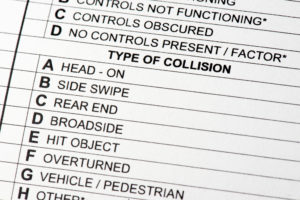
Personal Injury AttorneyWhether you are involved in a light or heavy traffic accident, you must file a crash report with the Illinois Department of Transportation (DOT) within 10 days. As a rule, you don’t have to file a report if the accident caused $1,500 worth of damages, but the rules can change if you were partially responsible for the incident. If you fail to file a report before the deadline, you may have to pay a hefty fine and lose your driver’s license.

Why You Should File a Traffic Report ASAP

The accident report can be filed by either the driver, the police officers who arrive at the scene or passengers. You should file a report as soon as possible so you can use it as proof for a personal injury case, which will allow you to get compensated for your medical bills and wages you lost during your recovery. You can also receive compensation for emotional trauma you suffered. Here are a few reasons why this is important:

  • You can correct discrepancies in the crash report before the insurance companies receive
  • Your insurance company can use it to prove your claims
  • Your attorney will be able to move your case forward much sooner if they have the report

Car accidents and traffic crashes can be stressful, confusing, and legally significant events. In communities like Antioch, Lake Villa, Gurnee, Waukegan, and other parts of Lake and northern Illinois, understanding when and how to file a traffic crash report under Illinois law is important for protecting your rights, complying with legal requirements, and preserving evidence for insurance claims or personal injury cases.

This comprehensive guide explains Illinois crash reporting requirements, how to file reports, important timelines, why reporting matters, and how legal guidance can help you navigate complex post-accident issues.

Why Filing a Traffic Crash Report Matters in Illinois

After a car accident, documenting the incident through a formal traffic crash report serves multiple crucial purposes:

  • Provides an official record of what occurred
  • Helps preserve evidence for insurance claims
  • Can support personal injury or property damage claims
  • Protects you from potential legal penalties for failing to report
  • Assists law enforcement and state agencies in tracking crash data

Although statutory requirements have evolved, drivers may still need to file crash reports in situations involving serious injury, death, or significant property damage, and having a report can be essential in resolving disputes and claims.†

When Must You File a Crash Report in Illinois?

Under current Illinois law, drivers are no longer universally required to file a motorist crash report with the Illinois Department of Transportation (IDOT) in all circumstances. However, reporting remains critically important in many situations.†

Mandatory Reporting Situations

Illinois statutes and related guidance outline clear conditions under which reporting is required:

  • The crash resulted in bodily injury or death to any person
  • There was property damage exceeding $1,500 when all drivers are insured
  • There was property damage exceeding $500 when a driver involved is uninsured
  • The accident involved a school bus and resulted in injury, death, or damage
  • The crash occurred near a school bus and caused injury or death within 50 feet of the bus

In these scenarios, crash reporting by law enforcement and individuals remains crucial to compliance with state requirements.†

Local Police and Law Enforcement Responses

If law enforcement investigates the accident at the scene, the responding officer will typically prepare a police crash report. That report is key for insurance claims and legal matters. However, if no officer responds — particularly for accidents outside city limits or where law enforcement is otherwise unavailable — drivers may need to take steps to ensure the crash is properly documented.†

How to File a Traffic Crash Report in Illinois

Even when reporting is not strictly required by statute, it is highly advisable, especially if someone was injured, the other driver disputes fault, or you plan to pursue an insurance claim or legal action after the accident.

Police-Handled Crash Reports

If police or a sheriff’s deputy investigates the accident at the scene, they will complete an official report. This is often the most useful documentation for insurance claims and legal purposes. After the report is completed, a copy can usually be obtained through the law enforcement agency that responded or via the appropriate state reporting portal.

Online Crash Reporting

For certain types of non-injury, single-vehicle property damage crashes on Interstates or state roadways where law enforcement did not respond, the Illinois State Police provides an online reporting option. This allows motorists to complete a crash report electronically.†

Motorist Crash Reports and Paper Forms

Historically, motorists used the Illinois Motorist Report (SR-1050 series) to file crash information with IDOT. While legislative changes have altered reporting requirements, locally filed forms and law enforcement reports remain important in documenting crash details for insurance and legal purposes.†

What Information Is Included in a Crash Report?

A complete crash report typically includes:

  • Date, time, and precise location of the crash
  • Names, addresses, and driver information of all parties involved
  • Vehicle details (make, model, license plate)
  • Insurance information for all drivers
  • Witness contact information (if any)
  • Narrative description of how the crash occurred
  • Weather and road conditions at the time of the crash
  • Observations about injuries, vehicle damage, and signals or traffic control devices

This information becomes invaluable when determining liability, reconstructing the accident, and preparing insurance or legal claims.

Reporting Deadlines and Timelines

Even though Illinois law does not require a motorist crash report in all situations, there are still deadlines for law enforcement and certain reporting processes:

  • Law enforcement and investigating agencies must submit crash reports to IDOT within 10 days of the incident.†
  • For online or motorist reports, drivers should submit documentation promptly to preserve details while memories are fresh and evidence is clear.

Prompt reporting also facilitates faster claims processing and helps prevent disputes with insurance companies.

Why You Should Report Any Significant Crash

Even when reporting is not legally mandatory, filing an official accident report is often in your best interest:

  • Protects your legal rights in case of disputed fault
  • Documents injuries, including those that may appear later
  • Provides evidence if you file a personal injury or property damage claim
  • Offers a neutral narrative from law enforcement to support your version of events

Insurance companies and courts place significant weight on official reports, especially when third parties are involved.

Common Mistakes to Avoid in Crash Reporting

Many individuals unintentionally weaken their claims by making avoidable errors:

  • Failing to report at all after a qualifying crash
  • Delaying reporting until memories fade or evidence is lost
  • Omitting details such as witness information, weather, or road signs
  • Admitting fault or speculating about causes rather than stating facts
  • Forgetting to obtain and review the police or crash report

Avoiding these mistakes helps preserve your ability to recover insurance compensation or pursue legal remedies for injuries and damages.

What to Do Immediately After a Traffic Crash in Illinois

If you are involved in a crash near Antioch, Round Lake, Lake Villa, or north Lake County:

  1. Ensure Safety and Call 911
    Check for injuries, get medical help if needed, and call police so they can document the scene.
  2. Exchange Information
    Collect names, addresses, license plate numbers, driver’s license and insurance information.
  3. Document the Scene
    Take photos of vehicle damage, road conditions, skid marks, and any visible injuries.
  4. Contact Your Insurance Company
    Notify your insurer promptly; failure to report within required periods can jeopardize your claim.
  5. Obtain the Crash Report
    Request a copy of the police report or other crash documentation once available.
  6. Consult an Attorney
    If there are injuries, disputes, or significant damage, legal guidance can ensure your rights are protected and that you pursue full compensation.

Frequently Asked Questions About Traffic Crash Reports in Illinois

Do I Have to File a Crash Report After Every Accident?

No. Current Illinois law no longer obligates all drivers to file a crash report with IDOT in every instance. However, you must still contact law enforcement at the scene for injury, death, or significant property damage, and reporting is strongly advised for insurance and legal purposes.†

What Happens If I Fail to Report a Qualifying Accident?

Failing to report an accident involving injury, death, or significant property damage can lead to penalties, including fines, license suspension, or even criminal charges, especially if you leave the scene without providing required information.†

How Long Do I Have to Report a Crash?

Law enforcement agencies are required to submit reports to the state within 10 days of a crash. If you are submitting your own documentation, do so as soon as possible after the accident to preserve evidence and details.†

Can a Passenger File a Crash Report?

Yes. If the driver is unable to file due to injury, a passenger may file the required report with law enforcement or through appropriate reporting channels.

How Can I Get a Copy of My Crash Report?

Crash reports can be obtained online through the Illinois State Police portal, by mail to the Illinois State Police Patrol Records Unit, or directly from the law enforcement agency that investigated the crash. There is typically a small fee for copies.†

How Legal Guidance Helps After a Crash

Navigating post-accident procedures, insurance claims, and potential legal disputes can be overwhelming. A skilled car accident attorney can:

  • Help you interpret the crash report and evidence
  • Identify all liable parties
  • Manage communications with insurance companies
  • Protect your rights in injury and property damage claims
  • Advise on deadlines, statutes of limitations, and legal strategy

Legal representation is especially important when injuries are serious or fault is contested.

Personal Injury Attorney

If you or someone you know has been involved in a car crash, get in touch with the Law Offices of Robert T. Edens at (847) 395-2200 for a free consultation. We represent traffic victims in Chicago, Libertyville, Woodstock, Waukegan, and Antioch. With more than two decades of experience in auto accident claims, our team of professionals will leave no stone unturned to ensure you receive justice. This includes aggressive representation against the at-fault driver’s insurance company, which will try to deny or reduce your claim. Just look at our case files available on our website and see our success rate for yourself.

Mistakes That Can Affect Your Auto Accident Claim

Auto Accident AttorneyThere have been many instances where a client’s careless actions have led attorneys to lose a potential case. Sometimes, people unintentionally make certain mistakes that hurt their case and affect the amount of compensation they could recover otherwise. Often, people avoid hiring an attorney and rely on their insurance companies to get the best possible settlement for their injuries from an auto accident, thinking that the insurer is working for their best interests. In reality, however, they try to minimize the value of your auto accident claim as much as possible in order to avoid paying large sums of money to you.

To make sure your actions do not lower the value of your auto accident claim, here we have shared a few common mistakes that most people make during their case.

Signing Documents without Consulting Your Attorney

Never sign any document without first getting it checked by your auto accident attorney. Sometimes, simple mini-tort releases have fine print that enables defendant’s insurance company to violate your privacy rights and access your medical records or waives future injury claims. It is best that you show every piece of paper that comes your way to the attorney before signing it.

Being Active on Social Media during the Case Proceedings

Facebook, Instagram, Twitter, and other social media networks are public-facing websites where anyone can easily see your activity. Because they have become an integral part of our everyday life, they are thoroughly investigated by defense attorneys and insurance adjusters to gather evidence to minimize your claim. Even if you have set strict privacy settings, there are ways to access your pictures, videos, and other things shared you have shared on your account. This digital information can be used as evidence to prove that the personal injury from the accident has not affected you as you claim it to be, which can potentially affect your case.

Not Taking your Doctor’s Advice Seriously

One of the most important pieces of evidence in a personal injury case is the medical records and doctor’s opinion about your condition. Some people think they do not need to keep a commitment to their doctor’s appointments or avoid getting any therapy for recovery. However, in order to make your case stronger, you need to show that you are trying your best to get better. And for that, you should keep all prescriptions, braces, casts, medication bottles, and other items pertaining to your injury, so that they can be used to show the authenticity of your personal injuries.

Failing to Contact the Police

One of the biggest mistakes accident victims make is not calling the police after a crash. Even if the accident seems minor, a police report provides an official record of the incident, which can be crucial for your claim. Insurance companies often rely on police reports to determine fault and assess damages. Without one, proving liability becomes more challenging.

Delaying Medical Treatment

Seeking medical attention immediately after an accident is essential. Some injuries, such as whiplash or internal trauma, may not show symptoms right away. If you delay treatment, insurance companies may argue that your injuries were not caused by the accident or are not severe enough to warrant compensation.

Admitting Fault at the Scene

Illinois follows a comparative negligence rule, meaning your compensation can be reduced if you are found partially at fault for the accident. Admitting fault—even unintentionally—can hurt your claim. Avoid making statements that could be interpreted as accepting blame; let the investigation determine liability.

Not Gathering Evidence

Strong evidence is key to a successful claim. Failing to document the accident scene, vehicle damage, and injuries can weaken your case. Take photos, collect witness statements, and keep records of medical expenses and lost wages. Thorough documentation makes it harder for insurers to dispute your claim.

Giving a Recorded Statement to Insurance Adjusters

Insurance adjusters may ask for a recorded statement soon after the accident. While they may seem helpful, their goal is often to minimize payouts. Anything you say can be used against you to reduce or deny your claim. It’s wise to consult an attorney before speaking with an insurance company.

Accepting a Low Settlement Offer Too Quickly

Insurance companies often offer quick settlements that may not fully cover your expenses. Accepting an offer without reviewing the full extent of your damages can leave you with unpaid medical bills and financial losses. Always evaluate settlement offers carefully and seek legal advice if needed.

Missing the Filing Deadline

Illinois has a two-year statute of limitations for personal injury claims related to auto accidents. If you fail to file within this timeframe, you may lose your right to seek compensation. Certain exceptions may extend the deadline, but it’s crucial to act promptly.

Personal Injury Attorney

Contact Our Cook County Car Accident Lawyers

Auto accident cases are complex and involve a lot of intricacies that can lead a person to make potential mistakes, hurting their ability to recover adequate compensation for their injuries. It is recommended to work with an experienced auto accident attorney to make sure you do not end up making the above mistakes and affecting your claim. Contact the Law Offices of Robert T. Edens, P.C. at (847) 395-2200 in Antioch Illinois or online today to schedule your initial consultation.

Injuries from Medical Malpractice

We trust medical professionals to handle various aspects of our lives. Whether there is a birth, illness, cold, virus, flu, sprain, strain, or break, we turn to our doctors to put our lives back on track. Just as our health affects all levels of our well being, so too do the doctors we turn to for healthcare. We place a great deal of trust in the recommendations of our doctors, from the prescriptions we take to the treatment we undergo. Unfortunately, sometimes doctors violate this trust.

When this happens, we can seek solace in the protections provided by the laws of Illinois. Illinois law requires that doctors act responsibly and professionally when providing care to patients. In other words, healthcare providers must always conform their treatment of patients to the standard of care; it is a patient’s right to receive such care. When a doctor acts outside of the standard of care, or too differently from the professionally accepted conduct in their field, a patient may be injured. Where a patient is injured from this type of negligence they are allowed to bring a medical malpractice lawsuit. Here are a few FAQs regarding this type of suit:

Is there a limit to the damages I can receive in this type of suit?

No. This is somewhat of a recent development in the legal field. As of 2010 the Illinois Supreme Court has ruled that placing a cap, or limit, on the amount of damages a plaintiff can receive in a medical malpractice suit is unconstitutional. Prior to 2010 a plaintiff could only receive up to $500,000.00 in non-economic damages.

What types of damages are recoverable?

Depending on your situation, there is a wide array of damages available to plaintiffs who have been injured as a result of professional negligence. Monetary damages are those that are easily calculated and often come in the form of bills. This can include medical bills and treatment, but also extends to missed paychecks from work or diminished ability to earn a living. Non-economic damages are those that are not as easy to quantify. This may be pain and suffering or loss of enjoyment but can also include anxiety, scarring, or loss of companionship.

What if I was injured a long time ago?

Illinois medical malpractice claims have a very short and a very strict statute of limitations. The statute of limitations refers to the length of time after the incident occurs that you can are legally permitted to bring suit. Illinois law requires that a plaintiff bring suit two years from the time they were aware of, or should have been aware of, the medical malpractice.

However, regardless of when a patient becomes aware of the malpractice, there is an absolute limit of four years. This means that if a patient becomes aware of the malpractice more than four years from the incident that caused the injury, the suit is barred by the statute of limitations.

Illinois Medical Malpractice Statistics

Medical malpractice continues to be a pressing issue in Illinois, with a staggering number of cases reported annually, signifying a critical area of concern for patients, healthcare professionals, and policymakers alike. An in-depth understanding of the latest statistics is vital for addressing the challenges posed by medical errors and enhancing the safety and quality of patient care.

The Extent of Medical Malpractice in Illinois

From 2020 to 2024, there were 5,944 adverse action reports filed against healthcare providers in Illinois, alongside 1,801 reports concerning medical malpractice payments. These reports encompass a range of disciplinary actions taken against medical professionals, as well as financial settlements awarded to patients who have suffered from medical negligence.

In the year 2023 alone, the state recorded 1,510 adverse action reports and 473 medical malpractice payment reports. Notably, the most frequently cited allegations in these claims included failure to diagnose conditions accurately and improper performance of medical procedures, which can have dire consequences for patients.

The Financial Ramifications of Medical Malpractice

The financial impact of medical malpractice is significant. In 2024, the average settlement awarded in malpractice cases in Illinois reached an impressive $672,743, positioning the state as the seventh highest in the nation for total payouts in this realm. Among the most notable malpractice settlements in Illinois history was a staggering $37.5 million awarded in 2024, stemming from a case involving the use of an improper medical technique. Such large sums underline the serious repercussions that can result from negligent medical practices.

Common Contributors to Medical Malpractice Claims

A variety of factors contribute to the occurrence of medical malpractice cases throughout Illinois. Some of the most prevalent causes include:

Failure to Diagnose – When healthcare providers misdiagnose or delay diagnosis, it can lead to severe health complications that may exacerbate a patient’s condition.

Surgical Errors – Mistakes occurring during surgical procedures, including the use of improper techniques, can have life-threatening consequences for patients.

Medication Errors – The administration of incorrect prescriptions or dosages can inflict serious harm and unintended side effects on patients, jeopardizing their well-being.

Birth Injuries – Instances of medical negligence during childbirth can result in long-lasting disabilities for newborns, impacting both their lives and the lives of their families.

Strategies for Prevention and Legal Recourse

To effectively curb the incidence of medical malpractice, Illinois has initiated several measures aimed at protecting patients:

  • Implementation of stricter regulations governing the practices of healthcare providers, ensuring adherence to high standards of care.
  • Development of enhanced patient safety protocols within hospitals and clinics to minimize the risk of medical errors.
  • Establishment of legal protections that empower victims of malpractice to seek appropriate compensation for their suffering and losses.

The Law Offices of Robert T. Edens, Personal Injury Law Offices


Contact Our Cook County Medical Malpractice Atttorney

Ultimately, Illinois medical malpractice suits can be quite complicated. Each suit and every injury is as unique as the patients themselves. You are in a much more secure position where you have an experienced medical malpractice attorney on your side. If you have suffered at the hands of a negligent doctor contact the Law Offices of Robert T. Edens, P.C. for a free consultation.

Is your Loved One a Victim of Nursing Home Neglect?

Nursing Home Neglect

When you visit your loved one in his or her nursing home, be observant. Take in all the sights, sounds, and smells of the facility and have multiple conversations with your loved one about the carenursing home negligence he or she receives. Making yourself a regular, observant presence in your loved one’s life is the best way to protect him or her from suffering a worsened physical or psychological condition due to abuse or neglect. If anything seems “off” about your loved one or his or her nursing home, he or she could be suffering from abuse or neglect.

Being neglected can have a long-term impact on a nursing home resident, such as his or her physical deterioration or worsened mental health. In many cases, neglect occurs in nursing homes because staff members are stretched too thin by their many residents and their duties with each. Below are some signs that your loved one is being neglected by his or her caretakers. Keep an eye out for these signs when you visit and if you are concerned about something you observe, discuss it with your loved one’s caretakers.

His or Her Room is Dirty

Nursing homes have custodial staff tasked with cleaning residents’ rooms. If your loved one’s room is dirty, the staff is not doing their job correctly and your loved one’s health could be at risk. Check the room for dirty sheets, dust accumulation, overflowing trash cans, and any other signs that the room is not being kept up properly.

He or She is Withdrawn or Anxious

If your loved one displays a sudden change in demeanor, he or she could be a victim of neglect. If your loved one is suddenly withdrawn, anxious, irritable, or otherwise behaving out of character, ask his or her caretaker about the amount of social interaction he or she receives. Neglect can have a significant psychological toll on its victim, especially in victims who are suffering from dementia.

Your Loved One’s Health has Deteriorated

If your loved one’s medical condition suddenly becomes worse, he or she could be suffering from neglect. Forms of physical neglect include:

  • Failing to provide the resident with nutritious food;
  • Failing to provide the resident with adequate water;
  • Failing to provide the resident with the medication he or she needs; and
  • Failing to attend to any injuries the resident suffers in a timely manner.

If your loved one suddenly loses a significant amount of weight, this can be a tell-tale sign of neglect.

The Law Offices of Robert T. Edens, P.C.

Contact Our Illinois Nursing Home Neglect Lawyer

If you observe any of the behaviors or characteristics listed above during a visit with your loved one in his or her nursing home, he or she could be a victim of neglect. Keep a record of all that you observe that supports your suspicion and bring this record to an experienced nursing home neglect lawyer to discuss your loved one’s condition and whether you have grounds for a neglect claim. Do not wait to take action if your loved one is suffering. Contact The Law Offices of Robert T. Edens, P.C. at 847-395-220 today to schedule your initial consultation with our firm.

How to Prove a Traumatic Brain Injury in an Auto Accident

Personal Injury AttorneyTraumatic Brain Injury

Traumatic brain injury in an auto accident is one of the major causes of death and other disabilities in the U.S. A traumatic brain injury is a serious health concern, which could prove fatal. According to a CDC report, head injuries in auto accidents were the leading cause of hospitalization among adults and adolescents aged 15 to 44 years.

Traumatic brain injuries are common injuries that result after a devastating car crash. However, proving a brain injury is not simple if you want to file for a personal injury lawsuit against the defendant. A skilled personal injury attorney will help you prove you’ve suffered a traumatic brain injury resulting in a car crash and hold the defendant liable for compensation.  Here are some useful tips to prove a traumatic brain injury in a court case:

Use the Latest Imaging Technology

The ordinary imaging technology present at the hospital ER might not be able to reveal the exact extent of your brain injury. An experienced traumatic brain injury attorney would suggest the client to opt for the latest imaging technology to get a clear picture of the damage.

Consult a specialist neurologist to interpret the brain damage for the court proceedings. Latest in MRI imaging will assist in proving your brain injury to the court to prove the defendant’s negligence.

Get an Expert Witness

The testimony of a medical expert witness, such as the doctors or the nursing staff who treated your injuries, will be essential in proving your injuries were the result of an auto accident, hence, clearing you of being at fault. You can also ask your friends, family and coworkers to give a before and after testimony as key witnesses. Your competent traumatic brain injury attorney will help conclude the before and after testimony in your favor.

Prove Fault of the Defendant through Forensic Investigation

Forensic investigative methods will play a vital role in proving the negligence of the defendant that led to the auto accident. Forensic investigations will include examining the damaged vehicle; measuring the impact of the other car and the injuries you or other passengers sustained as a result. You will need to rely on a skilled attorney to prove your traumatic brain injury along with the compelling evidence, modern imaging, and witness’ testimony.

Contact Our Cook County Brain Injury Lawyer

If you wish to find out more about traumatic brain injuries or schedule a free consultation, contact the offices of Robert Edens at (847) 395-2200 to speak with an experienced personal injury lawyer.

Getting Compensation for Auto Accidents

Auto Accident AttorneyAuto accidents often happen suddenly and unexpectedly. They often produce an injury that can prevent you from working at your optimum capacity. In fact, car repairs are costly as well. Getting the appropriate compensation for car accidents is important, if you want to ensure that you are not negatively affected by an accident. Hiring an auto accident lawyer in Illinois will help ensure that you get fair compensation, as well as these tips that you can use to ensure that you prepare the best insurance case:

Collect Information

Once everybody is safe after an accident, you should immediately start collecting information that may later help you get fair compensation. Ask witnesses for their contact numbers so that you can contact them later to present their claims that support you. You can also ensure that you get the accounts of the incident from the emergency services that respond to the accident. These services are often the earliest at an accident and they can observe what caused the accident.

You can then hire an auto accident attorney and share your collected information with them. This will help them recreate the important details of the accident and help you obtain the maximum compensation from your insurance company. Remember, insurance adjusters are always trying to save on compensation, and you can only beat them when you are equipped with useful information that shows you were not at fault for the accident.

Call the Police

You should also call the local sheriff’s department. A Deputy will collect information from you and ask about the specific details of how the accident happened. This will give you the maximum chance of obtaining a police report that significantly helps your insurance claims. The police are often the first on the scene and are skilled at producing reports that you may need to claim your compensation from the insurance company. Calling them at the time of the accident will ensure that you have access to all the important contacts that you may need later for producing evidence in the case of a dispute for receiving fair compensation.

Seek a Lawyer

It is important that you seek the help of an auto accident lawyer immediately after you have been engaged in an accident. Failure to obtain legal representation will mean that the insurance agents will try to pressure you into accepting a compensation payment, which is smaller than your losses. You can also create a file, ensure all important information and documents are present in it, and then share it with an experienced accident lawyer in Illinois for your best interests.

Record Expenses

Your auto accident lawyer will work hard to ensure that you get the right compensation, but you should help them by keeping a record of all your related expenses. If you visited a doctor due to a personal injury obtained in an accident, you must maintain the injury’s record in a proper fashion. This will give you the best chance to obtain compensation for all kinds of losses.

Illinois Auto Accident Compensation Statistics

Auto accidents in Illinois result in thousands of injuries and fatalities annually, creating a landscape marked by significant financial settlements and a myriad of compensation claims. Having a firm grasp of the most current statistics can empower accident victims to better anticipate potential payouts and navigate the often complex claims process with confidence.

Average Auto Accident Settlement Amounts

According to recent data, the average settlement for car accidents in Illinois is influenced heavily by the severity of injuries sustained and the determination of liability. For instance, claims associated with moderate injuries, such as fractured collarbones or whiplash, typically settle for an average of approximately $27,287. In contrast, cases involving minor injuries, like soft tissue strains, average around $5,583.

On the other end of the spectrum, severe injuries, such as traumatic brain injuries or spinal cord damage, can result in staggering settlements that exceed $786,794, with some exceptional cases reaching into the millions. When it comes to property damage, the financial compensation tends to average $6,551. In cases focused on bodily injuries, the average payout can be around $26,501. These figures not only highlight the serious financial repercussions of auto accidents but also emphasize the critical importance of securing just compensation.

Factors Affecting Compensation Amounts

Several key factors play crucial roles in determining the final amount of an auto accident settlement:

Severity of Injuries – The more serious the injuries, the higher the associated medical expenses and lost wages, leading to larger settlement amounts.

Extent of Property Damage – The degree of damage inflicted on vehicles influences compensation for repairs or total replacement.

Insurance Coverage – The limits of the involved insurance policies, as well as the types of liability coverage available, significantly impact the financial outcomes of claims.

Legal Representation – Enlisting the services of an experienced attorney can be instrumental in maximizing settlement amounts, especially for cases where liability is contested.

Fault and Liability – The allocation of responsibility among the involved parties is a decisive factor that affects the amount of compensation.

Notable Illinois Auto Accident Settlements

Illinois has witnessed various high-profile auto accident settlements, some of which have resulted in multi-million dollar payouts for victims suffering from severe injuries or wrongful death claims. These substantial settlements aim to cover an array of costs, including extensive medical bills, lost income, pain and suffering, and the expenses associated with long-term care services.

How to Maximize Your Settlement

To ensure you receive fair and adequate compensation, accident victims should take proactive steps, including:

Gathering Evidence – Collect essential documentation such as photographs of the accident scene, medical records detailing injuries, and statements from witnesses to support your case.

Seeking Medical Attention – It is imperative to obtain medical care immediately, not only for your health but also to create a record of injuries and associated treatment costs.

Consulting an Attorney – Professional legal guidance can be invaluable for negotiating effectively with insurance companies and navigating the complex claims landscape.

Avoiding Premature Acceptances – Victims should exercise caution and avoid accepting initial low offers without thoroughly assessing the full scope of damages incurred.

Personal Injury Attorney

Contact Our Cook County Auto Accident Lawyers

If you have been in an auto accident and need a lawyer in Illinois, call the Law Offices of Robert T. Edens, P.C. in Antioch at (847) 395-2200 today to schedule your initial consultation.

How to Establish Liability In School Bus Accidents

School Bus Accident AttorneyThe National Highway Traffic Safety Administration has devised comprehensive regulations pertaining to school bus safety to ensure a safe and secure journey for children attending school. NHTSA believes that students are 70 times safer when traveling in a school bus rather than a car. Their safe design coupled with stop-arm laws in every state makes school buses an extremely reliable option to commute. However, there are other vehicles and pedestrians on the road who may become a victim of an accident if a school bus driver is negligent or careless while driving. In this case, a victim is entitled to legally pursue a rightful compensation for their loss and sufferings.

How to Establish Liability in a School Bus Accident

If you become a victim of a school bus accident, there are certain steps that you must take. Firstly, you should seek medical assistance by calling emergency responders. After receiving adequate treatment, you may assess the situation and determine which party was at fault. In some instances, bus drivers break a traffic law or drive recklessly while in other cases, a `driver of another vehicle or pedestrian are negligent and their inattention may lead to an accident.

In an event where a bus driver is at fault, you must assess whether the bus driver works for the school or is an independent employee of a contracted company. If a bus driver works for a school, then there is a possibility that school district may also be held vicariously liable for the accident. Hence, you may be able to file a claim against the school bus driver as well as the school district. However, if a bus driver is working as an employee for an independent company, then you would be able to sue the bus driver for negligence and hold contracted company vicariously liable for the accident.

Proving Negligence

Negligence can be demonstrated by showing that the driver has a duty to act as a reasonable person and obligation to follow traffic laws. Moreover, a school bus driver may at all times assume a higher level of duty of care to keep children on board safe and protected throughout the journey. It can be highly beneficial for your case to hire an experienced auto accident lawyer to seek rightful compensation. Your attorney will protect your rights and help you to establish grounds for negligence. Furthermore, a skillful auto accident lawyer may also be able to determine which party is at fault and establish a solid case against multiple parties if another driver or pedestrian was also responsible for the accident.

Illinois School Bus Accident Statistics

School bus accidents are a serious issue, despite being relatively rare when compared to other types of vehicle collisions. In Illinois, these accidents can lead to injuries not only among students but also for drivers and pedestrians, making it crucial to prioritize safety measures and robust regulations.

School Bus Accidents in Illinois Are Numerous

Illinois stands out among the states with a significant number of school bus accidents. From 2013 to 2022, the state recorded 30 incidents involving school buses that resulted in 34 fatalities. This statistic highlights that while school buses are generally among the safest transportation options for students, accidents can and do occur. A range of factors, including driver error, road conditions, and mechanical failures, contribute to these tragic events.

Common Causes of School Bus Accidents

Several factors are typically involved in school bus accidents in Illinois:

Driver Negligence – This category includes behaviors such as speeding, distracted driving (e.g., texting or using a cellphone), and failing to yield the right of way. Such negligence can easily lead to collisions with other vehicles or obstacles.

Poor Weather Conditions – Adverse weather such as rain, snow, sleet, and fog can significantly impair visibility and traction on the road. These conditions elevate the risk of accidents, not only for school buses but for all vehicles on the road.

Mechanical Failures – School buses, like any vehicle, are susceptible to mechanical issues. Problems such as faulty brakes, engine malfunctions, and tire blowouts can cause drivers to lose control, leading to potential accidents.

Reckless Behavior by Other Motorists – Many accidents occur when other drivers neglect safety laws, such as failing to stop for school buses that have their stop signs extended. Aggressive driving behaviors, including tailgating and weaving through traffic, can also pose a significant risk.

Incidents Involving Pedestrians and Cyclists – Students are especially vulnerable when boarding or exiting buses. The area around school buses can be chaotic, and careless behavior by drivers or students can lead to serious accidents.

Safety Measures and Regulations

In response to the troubling statistics surrounding school bus accidents, Illinois has implemented several important safety measures and regulations aimed at enhancing student safety:

Strict Traffic Laws – Illinois has laws mandating that all vehicles must stop when school buses extend their stop signs. Violations of these laws can result in hefty fines and penalties, reflecting the serious nature of the offense.

Enhanced Driver Training Programs – Thorough training programs for school bus drivers are essential for ensuring they can operate buses safely and efficiently. This training includes defensive driving techniques and understanding the best practices for handling various road conditions.

Regular Vehicle Maintenance Protocols – Maintaining buses in optimal working condition is crucial. Schools and transportation authorities are required to conduct regular inspections and maintenance to identify and rectify any mechanical issues before they lead to accidents.

Surveillance Systems – Many school buses are now equipped with surveillance systems that monitor both driver behavior and road conditions. These systems can help identify risky behaviors and serve as a tool for improving training and safety measures.

Legal and Financial Impact

The consequences of school bus accidents can be far-reaching, leading to significant legal claims and financial burdens for all parties involved. Families of injured students may seek compensation for medical expenses, psychological impacts, loss of income, and other damages related to the accident. Illinois law mandates thorough investigations of all school bus crashes to ascertain liability, improve safety measures, and ensure accountability. This scrutiny not only helps support affected families but also aims to prevent similar incidents in the future by promoting enhanced safety standards across schools and communities.

Personal Injury Attorney

Contact Our Cook County Bus Accident Attorneys

If you wish to find out more about this topic or schedule a free consultation, contact the offices of Robert Edens at (847) 395-2200 to speak with our experienced bus accident lawyers.

Hit & Run Auto Accidents

Auto Accident AttorneyBeing a victim of a hit and run auto accident can be quite frustrating due to the lack of concern of the driver who did not even bother to stop to rectify his or her mistake. More importantly, it’s uncertain how you would get compensated for the damages to your vehicle and the injuries you may have suffered. It’s a really unfortunate situation to be in but luckily there are ways to deal with it.

Types of hit and run accidents

There are primarily two types of hit and run accidents:

  • The first one involves a situation where a car hits your car while it was parked and unattended and leaves, without sticking around to leave contact information. In a few cases, people do stick around and leave a note to the owner with their contact information through which damages can be collected. Most times though, the driver drives off without leaving any contact information.

  • The second type of hit and run accident is when a vehicle hits you and speeds off without bothering to check up on you. You may be compelled to chase him/her down but do not attempt to follow as it could lead to another collision as the other driver panics and tries to escape.

What should you do to get compensation for a hit & run accident?

If the car hit you while you were inside the vehicle or were walking on the pavement, try to memorize and note the make, model and the license number of the vehicle. This information can be extremely vital in augmenting your claim against the fleeing driver. On the other hand, if your car was hit while it was parked unattended you may ask around for potential eyewitnesses. In both cases, CCTV cameras can also help you identify the car and its license number. Consulting an auto accident lawyer can help you find the car and its driver in a much more efficient way.

Hit & Run accidents allow punitive charges

Under state law, not stopping after an accident which resulted in personal injury or death of someone is considered a felony. The offender can face up to 15 years in prison and pay fines as high as $20,000. Therefore, it is best to stop and provide insurance information rather than fleeing away and becoming a felon.

Illinois Hit And Run Accident Statistics

Hit-and-run accidents represent a significant concern in Illinois, with thousands of incidents occurring annually. These events frequently result in injuries, fatalities, and legal repercussions for drivers who evade the scene of an accident. An understanding of the latest statistics is essential for raising awareness and promoting safer driving practices.

Illinois experiences a notable number of hit-and-run collisions each year. According to the Illinois Department of Transportation (IDOT), hit-and-run incidents contribute to broader roadway safety issues. These accidents typically involve pedestrians, cyclists, and other motorists, often leading to severe injuries and tragic fatalities.

Common Causes of Hit-and-Run Accidents

Several factors contribute to the occurrence of hit-and-run incidents in Illinois:

Distracted Driving – Operators who are not fully attentive may cause accidents and subsequently flee due to panic.

Driving Under the Influence – Impaired drivers frequently leave the scene to avoid potential legal consequences.

Uninsured or Unlicensed Drivers – Certain individuals may flee the scene due to a lack of valid documentation or insurance coverage.

Fear of Legal Penalties – Drivers involved in serious accidents may attempt to evade responsibility owing to the potential ramifications.

Collisions with Vulnerable Road Users – A significant number of hit-and-run accidents involve pedestrians and cyclists, who are at greater risk.

Consequences of Hit-and-Run Accidents

The consequences of hit-and-run accidents can be severe, entailing significant legal penalties such as fines, suspension of driving privileges, and imprisonment. Victims often incur considerable medical expenses and face challenges in securing compensation if the responsible driver remains unidentified. Illinois law requires that drivers involved in accidents remain at the scene and provide necessary assistance. Failure to comply with this legal obligation may result in felony charges, particularly when the accident leads to serious injury or death.

Prevention and Safety Measures

To mitigate the incidence of hit-and-run accidents, Illinois advocates for:

  • Stricter enforcement of traffic regulations to hold offenders accountable.
  • Public awareness initiatives aimed at educating drivers regarding their legal responsibilities.
  • Enhanced surveillance and reporting systems to effectively monitor and address hit-and-run incidents.

Personal Injury Attorney

Contact Our Lake County Personal Injury Lawyers

If you were a victim of a hit & run auto accident and wish to schedule a free consultation, contact the offices of Robert Edens at (847) 395-2200 to speak with an experienced personal injury lawyer.