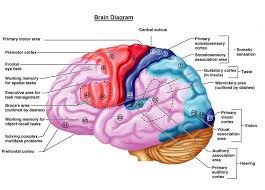
 If traumatic brain injury results from an accident you may need the assistance of a traumatic brain injury attorney. The Centers for Disease Control (CDC) in Atlanta estimates there are over five million Americans needing long-term care to perform the activities of daily living as a result of a head injury or traumatic brain injury(TBI).
Traumatic brain injury, head injuries, and brain damage can cause changes in thinking, language/speech, and emotions. Traumatic brain injury (TBI) from accidents like a motorcycle crash can cause seizures and epilepsy. In fact, it doesn’t matter whether the initial injury to the head was mild, moderate, or severe, any brain injury can result in these conditions. The after-effects can alter all aspects of normal life from school to social situations to work. Because traumatic brain injuries are life-altering and can last a lifetime, it is important to contact an attorney who concentrates their practice in representing these types of brain injuries.
Call 847-395-2200 for a FREE, no-obligation traumatic brain injury legal consultation. Bob will give you an honest assessment of your case and together you will decide on the best course of action. Our cases are usually retained on a contingency fee basis. There is no fee until our traumatic brain injury attorneys successfully recover fair damages for you.
Traumatic Brain Injury(TBI), brain damage, and other types of head injuries as a result of direct trauma to the skull and/or rapid acceleration and deceleration of the brain, including shearing (tearing) of nerve fibers, contusion (bruising) of the brain tissue against the skull, brain stem injuries, and edema (swelling). Robert Edens is an experienced personal injury law firm that specializes in handling claims involving brain injuries.
A common misconception is that all brain injuries result in symptoms like dizziness, seizure, disorientation, fuzzy thinking, and headaches. But many brain injuries have little to no symptoms, making them one of the most difficult to diagnose and treat.
Brain and head injuries can require a broad range of medical treatment, from mild cases – in which the injured person looks and acts normally – to severe cases, where the victim requires round-the-clock care for life. Unfortunately, many insurance companies and the responsible person do not make it easy for brain injury victims, even if they are clearly at fault. That’s why it’s so important to seek the assistance of an experienced brain injury attorney so you or your loved one, can get the money needed to properly care for the ongoing needs.
If you or a family member has suffered a head injury, including a Traumatic Brain Injury, as the result of an accident or due to the negligence of another individual attorney Bob Edens and his knowledgeable staff can help you.
If you or a loved one has been seriously injured in Illinois and want to know if you have a legal case, look no further than The Law Offices of Robert T. Edens, P.C. With over 20 years of experience representing injury victims in and around Lake & McHenry Counties, he is qualified to help you get the compensation you deserve. Get the legal aid you need and call attorney Bob Edens at (847) 395-2200, the call is free and the advice may be priceless.
A traumatic brain injury, commonly referred to as a TBI, occurs when a sudden impact or force disrupts normal brain function. TBIs can range from mild to severe and often have lasting physical, cognitive, and emotional effects. Because symptoms are not always immediately obvious, understanding traumatic brain injuries is critical for those affected and their families.
A traumatic brain injury is caused by an external force that injures the brain. This may occur from a blow to the head, a violent shaking of the head or body, or penetration of the skull. Common causes include car accidents, falls, workplace incidents, sports injuries, and assaults.
TBIs are typically classified as mild, moderate, or severe based on symptoms, imaging results, and loss of consciousness.
Symptoms vary depending on the severity of the injury. Mild TBIs, such as concussions, may involve headaches, dizziness, confusion, sensitivity to light or noise, nausea, or temporary memory problems.
More serious brain injuries can cause prolonged loss of consciousness, seizures, slurred speech, coordination issues, mood changes, personality shifts, and significant cognitive impairment. Some symptoms may worsen over time, making early evaluation essential.
Diagnosis often begins with a physical and neurological examination. Medical providers may use imaging tests such as CT scans or MRIs to detect bleeding, swelling, or structural damage to the brain.
In some cases, neuropsychological testing is used to evaluate memory, concentration, reasoning, and other cognitive functions that may be affected by a TBI.
Yes. Some traumatic brain injury symptoms are delayed and may not appear until days or weeks after the incident. These delayed symptoms can include memory issues, emotional instability, sleep disturbances, or difficulty concentrating.
Because of this, individuals who experience a head injury should seek medical attention even if symptoms seem mild initially.
The long-term effects of a TBI depend on the severity of the injury and the individual’s overall health. Some people recover fully, while others experience permanent impairments.
Long-term complications may include chronic headaches, depression, anxiety, cognitive deficits, speech difficulties, and reduced ability to work or perform daily activities. Severe TBIs may require lifelong medical care and rehabilitation.
Treatment varies based on injury severity. Mild TBIs often require rest, symptom monitoring, and gradual return to normal activities. Moderate to severe TBIs may require hospitalization, surgery, medication, physical therapy, occupational therapy, and cognitive rehabilitation.
Early and ongoing treatment plays a significant role in recovery outcomes.
When a traumatic brain injury is caused by someone else’s negligence, such as in a motor vehicle accident or unsafe premises, legal guidance may be necessary. TBIs often involve high medical costs and long-term consequences that are not immediately apparent.
Consulting with professionals who understand both the medical and legal implications of TBIs can help ensure that an injured person’s rights and future needs are protected.
The Law Offices of Robert T. Edens, Personal Injury and Workers' Compensation Law Office, have offices in Antioch, Waukegan, Grayslake, Woodstock and Barrington. We represent clients throughout the communities of Antioch, Waukegan, Grayslake, Barrington, Woodstock, Buffalo Grove, Deer Park, Gurnee, Lake Zurich, Round Lake, McHenry, Cary, Crystal Lake, Libertyville, Lincolnshire, Mundelein, Vernon Hills, Wheeling, North Chicago, Zion, Inverness, Palatine, Wauconda, Island Lake, Fox Lake, Barrington Hills, Spring Grove, Lake Bluff, Lakemoor, Long Grove, Lake Villa, Kildeer, Wadsworth, Indian Creek, Fox River Grove, Lindenhurst and other cities within Lake and McHenry Counties Illinois.
© 2026 The Law Offices of Robert T. Edens, LLC., All Rights Reserved, Reproduced with Permission Privacy Policy | Sitemap | Disclaimer
Powered By