Auto Accident due to a Sudden Medical Emergency – What you Need to Know

Auto Accident AttorneyGenerally, auto accidents happen when one or both drivers acted negligently, resulting in a collision. However, sometimes when a driver is driving responsibly and safely, they face an unexpected and sudden event that was beyond their control, causing the accident. For example, the driver getting an unexpected seizure, causing them to lose consciousness and crashing into another vehicle. In such a situation, it can be difficult to determine who is responsible for the property damage and bodily injuries.

If you have been in an accident where the other driver suffered from an unexpected medical emergency, the court may deal with your case under the sudden emergency doctrine.

Understanding Medical Emergency Defense and How it may Affect your Case

If you have been involved in a car accident where the other driver was at fault, you can hold them liable for damages. However, if the crash occurred due to an unexpected or unforeseen medical emergency, it may be considered as an Act of God. This is a potential defense that is acceptable in the state of Illinois and can be used to relieve the defendant from liability of the accident.

In order for a defendant to use the medical emergency defense, they must be able to establish that:

  • They were rendered unconscious before the accident or crash happened
  • The loss of consciousness was unexpected – meaning that they should not have been in and out of consciousness before the accident, as any responsible would have pulled over in such a condition.
  • The loss of consciousness and hence control over the vehicle caused the accident

Another important aspect is that the loss of consciousness was unforeseen. This is generally the most contested element of such a case. Sometimes, people have medical conditions that pose the danger of such medical emergencies and require them to avoid engaging in activities, like driving or using heavy machinery. The plaintiff’s attorney may obtain your medical records, request a complete checkup from a court approved physician, and use expert witnesses to bring a personal injury claim.

What Qualifies as a Sudden Medical Emergency?

Some unforeseeable medical complications that may allow defendants to ward off liability arising from personal injury claims include:

  • Bad reactions to medication
  • Strokes
  • Fainting
  • Heart attack
  • Mental delusions
  • Diabetic episodes
  • Seizures
  • Unexpected drop or increase in blood pressure

Getting Compensation for Damages in a Sudden Medical Emergency Case

If the defendant is able to establish a sudden medical emergency defense, it can be difficult for you to recover damages by filing a lawsuit or making a claim on the at-fault driver’s insurance policy. It is likely that you will have to resort to making a claim on your own insurance policy, and get compensation for damages up to its limit. However, there is a chance that your insurance company may deny your claim, giving the same reason as the defendant that it was an Act of God.

Personal Injury Attorney

It is essential to work with an experienced auto accident attorney in such situations, as they can come up with ways to get compensation for your damages. Contact the Law Offices of Robert T. Edens, P.C. at (847) 395-2200 or online today to schedule your initial consultation and discuss your case.

What is Meant by Bad Faith in Auto Accident Claims?

Auto Accident AttorneyAlso known as insurance fraud, bad faith is the term used in cases where the consumers and businesses have been mistreated by insurance providers. Bad faith claims arise when an insurance company wrongfully denies a potential claim and refuses to pay the insured, leading to the violation of the insurance policy terms and conditions. Unfortunately, it is a common occurrence in personal injury cases, like auto accident claims, depriving the victim of the coverage to the damages they sustained during the accident.

Understanding Insurance Bad Faith Claims

If an insurance provider violates any laws of Illinois pertaining to insurance claims or fails to justify the obligations that have been stated in the policy, it is said that it has acted in bad faith. Some examples of bad faith of insurance companies include:

  • Changing terms of your policy without notifying you, and negotiating your auto accident claim based on the new policy
  • Intentionally misconstruing the terms of your policy to reduce or deny your auto accident claim
  • Engaging in fraudulent or illegal activities
  • Using tactics to delay your claim or make the case go on for long to benefit from judicial loopholes
  • Not performing investigation of your accident, and determining the claim amount based on incomplete documentation and facts
  • Forcefully convincing you into obtaining cheaper and less effective medical treatments by claiming your policy does not cover the expensive ones, even it does
  • Purposely withholding information that can benefit you in order to avoid paying the full or fair amount of your auto accident claim

However, it is not necessary if your claim has been denied, the insurance company is acting in bad faith. A simply assessment mishap or error leading to reduce claim amount is enough to constitute as bad faith. If you want to file a bad faith claim, you must be able to prove that the insurer ignored potential evidence, tampered the policy terms, or failed to conduct a thorough investigation to gather evidence.

What Damages are Available in Bad Faith Cases

While most states allow a tort claim for bad faith, Illinois does not. Instead, violation pertaining to insurance claims are governed by 215 ILCS 5/155 of Illinois compiled statutes. Under this law, if an insurance company has been engaged in fraudulent acts or unreasonably delay the settlement of a claim, the court may order the insurer to pay attorney fees, along with the penalty amounting up to 60 percent of what the plaintiff is entitled to recover, or $60,000, or the excess of the amount that the company offered the plaintiff in settlement prior to the action.

Since bad faith claims are complicated and confusing, it is recommended to work with an experienced and reliable auto accident attorney who can provide legal assistance for your case. They will guide you through the process, provide a realistic assessment, and prepare for trial to ensure you get what you rightfully deserve. Contact the Law Offices of Robert T. Edens, P.C. at (847) 395-2200 or online today to schedule your initial consultation.

Injured on a Government Property? Here is What Should Know

Premises LiabilityLocal, county, and state governments own many properties, ranging from office buildings and schools to parks and sidewalks. Just like private businesses and homeowners, the authorities have the duty to maintain their property and make them safe for the public.
If you are injured on a public property, you can seek compensation to your damages by filing a claim against the government. However, the legal procedures for premises liability claims are different from making a claim for an injury occurring on a private property.

Governmental Premises Liability in Illinois

Government entities are responsible for making property under their dominion safe for private visitors, as well as contractors that are hired to make improvements and repairs. When a government agency fails to control or fix dangerous conditions on a property it owns, it is considered as negligence on part of that entity.

Previously, the government enjoyed sovereign immunity against such cases that rendered victims unable to seek compensation for injuries sustained on its property or inflicted by its employees. However, the Federal Tort Claims Act (FTCA) has eased this immunity, and has given people the right to bring injury claims against government agencies and their employees. However, there are several limitations to the FTCA. For instance, plaintiffs must present their claim in writing to the responsible parties, and the cases also have a reduced statute of limitations, which is 2 years.

When a hazardous condition results in injuries to a visitor, the government is liable to compensate for the damages sustained by the injured person. Damages for government tort claims may include lost wages, medical bills, pain and suffering, and out-of-pocket expenses.

Proving Negligence in Premises Liability Claims

In premises liability cases against private property owners, the plaintiff can receive full compensation for their injuries. However, in cases involving government entities, there are limitations to the settlement amounts. Statutory guidelines exclude punitive damages in governmental premises liability cases, which can reduce the amount of compensation you may otherwise receive from a private injury claim.

To establish negligence, you must prove that:

  • The property is owned or controlled by the government entity (defendant).
  • A dangerous condition existed and caused the injury.
  • The defendant knew or should have known about the existence of the dangerous condition.
  • The defendant had a reasonable amount of time to fix, replace, or repair the dangerous condition, but did not.
  • Your hazardous conduct or recklessness did not cause the injury.

A premises liability claim may include accidents occurring on or by municipal, federal, or state property, such as:

  • Falling objects from government buildings
  • Government owned or regulated vehicles, including firetrucks, garbage trucks and police cars
  • National and state parks
  • Poor security
  • Public schools or universities
  • Public transportation injuries
  • Sidewalk or street hazards, such as construction or roadway design
  • Slip and fall accidents on government property
  • Drowning in public pools
  • Injuries at tax offices, post offices, the DMV, and more

Personal Injury Attorney

Premises liability cases against government entities entail a lot of complexities and special rules. You should consider working with an experienced personal injury attorney who can help you understand your rights and navigate through the legal system. Contact the Law Offices of Robert T. Edens, P.C. at (847) 395-2200 or online today to schedule your initial consultation.

What Happens if your Uber gets in an Auto Accident in Illinois?

Car Accident AttorneyRidesharing services have become a preferred means of transport for many people, due to the reliability convenience, and low costs they offer to customers. Uber is among the most established ride-sharing programs in the United States known for successfully completing thousands of rides daily. It has been found that Uber completed its 2 billionth ride in Christmas 2015, which was its sixth year in the ridesharing industry. Considering the large number rides it completes every day, there are high chances of Uber drivers to be involved in auto accidents, leading to property damage and injuries.

So, what happens if you are riding an Uber and it has met an accident? If you are injured in the accident, who will be liable to pay for your injuries? It is important that you know what to do when seeking compensation for your damages that you are entitled to receive in case of an Uber accident.

Uber’s Insurance Policy – How it Works

People driving under the banner of Uber are not considered as its employees – instead they are independent contractors. These drivers are required to have third party liability insurance before they can use the ridesharing program and its app to earn money. Apart from this, Uber also has a contingent liability insurance coverage that offers compensation to injured customers under specific circumstances, such as:

If a Driver is Waiting for a Passenger

If the Uber app is turned on but there is not a passenger assigned or riding with the driver, there is a chance that the contingent liability insurance coverage may come into effect and pay the damages to the customer. However, this policy will act as a secondary insurance coverage, and will only apply when the driver’s third party liability insurance has been expended. It may provide coverage of up to $100,000.

If a Driver is with a Passenger

When a driver is on its way to pick up a customer or the ride has already started, the Uber becomes a commercial vehicle. This means that if an accident occurs during the commute, the contingent policy will come into effect, and provide coverage of up to $1,000,000.

If a Driver is “Off the Clock”

When the app is turned off, this means that the driver is not taking any passengers or is off the clock, and is not working for Uber at that time. If an Uber is in accident in such a situation, only the driver’s third party insurance and other liability insurances will be applied to cover for the damages. This is because the car is not a commercial vehicle at the time of accident, and hence is not the responsibility of the company.

Personal Injury Attorney

People involved in an accident while riding an Uber are generally confused as to whom they should hold liable to obtain compensation for their injuries. It is best that you work with experienced auto accident attorney who will help you understand your situation and provide you effective solutions. Contact the Law Offices of Robert T. Edens, P.C. at (847) 395-2200 or online today to schedule your initial consultation.

An Overview of the Legal Rights of Nursing Home Residents

Nursing Home AttorneyNursing home residents depend on nurses, doctors, volunteers, and other staff members to provide companionship and care, and to look after their medical needs. Unfortunately, nursing homes nowadays are unable to deliver the minimum standard of services and violating residents’ rights, as they are subjected to mistreatment, and in some cases, negligence and abuse.

Thankfully, several state and federal laws are in place that protect residents of assisted living facilities and nursing homes from neglect and abuse. Most of these laws and regulations have been enforced in the past two decades, due to surge in nursing home abuse, injuries, and deaths coinciding with the increasing population of senior citizens.

Laws and Regulations Protecting Nursing Home Residents

A number of federal laws provide protection to nursing home residents against unethical and abusive practices against the elderly. Some of the important statutes include:

Long-Term Care Ombudsman Program

This program is available in all 50 states. It was established to advocate the rights of nursing home residents and work to provide resolution for issues pertaining to the needs and care of individual residents. Every state has an Ombudsman office that investigates complaints lodged against a nursing home or assisted living facility related to neglect, abuse, and exploitation.

Older Americans Act

The purpose of the Older Americans Act is to provide all-inclusive services to older citizens through a vast network of community and state agencies. The primary focus of this program is on health and nutrition issues.

Title XX of the Social Security Act

It is a capped entitlement program that grants funds to states so that community-based care can be provided to the disabled and elderly. The budget is allocated for several activities, and a part of it dedicated to efforts for preventing neglect and abuse of nursing home residents.

Nursing Home Reform Act

This legislation was enacted in 1987 and is designed to set quality standards for basic care to nursing home residents. The main purpose of the Nursing Home Reform Act is make every nursing home resident a beneficiary of the Resident’s Bill of Rights. It provides the following rights to residents:

  • The right to freedom from any kind of physical restraints
  • The right of freedom from negligence, mistreatment, and abuse
  • The right to privacy
  • The right to communicate freely
  • The right to exercise self-determination
  • The right to be respected and treated with dignity
  • The right to take part in family and resident groups
  • The right to accommodation of physical, social, medical, and psychological needs
  • The right to express grievances against others without reprisal or discrimination
  • The right to take part in reviewing their own care plan, and to be informed of any changes in treatment, care, or change of status in the nursing home or facility in advance

If any nursing home or assisted living facility has been found violating the rights of residents under the Nursing Home Reform Act, the state can impose a wide range of penalties, including large fines and staff replacement to improve the management structure of the nursing home.

Personal Injury Attorney

It can be difficult to determine whether your elderly loved one is a victim of nursing home neglect or abuse. If you suspect mistreatment and poor care standards of a nursing home, you should discuss your case with an experienced and reliable nursing home neglect attorney. Contact the Law Offices of Robert T. Edens, P.C. at (847) 395-2200 or online today to schedule your initial consultation.

Wrongful Death and Premises Liability: What You Should Know

Premises Liability AttorneyProperty owners, supervisors, and managers have the duty to keep a safe environment to make sure there are no hazards within the premises that can cause physical harm to people. However, due to the high replacement, maintenance, or repair costs of building materials, individuals in charge often try to cut corners by overlooking potential problems.
According to the Centers of Disease Control and Prevention, about 135,928 people die annually in the United States due to unintentional injuries, including slip and fall, exposure to harmful substances, and others. Most people suffer fatal injuries because of negligence and carelessness of others, which oftentimes lead to death. Surviving family members file a premises liability lawsuit against the responsible party to seek compensation for the wrongful death of their loved one.

Common Causes of Death Leading to Premises Liability

A broad array of premises liability lawsuits involving wrongful death are caused due to a number of factors, including:

  • Building collapse, including ceilings, porch railings, and porches
  • Day care injury
  • Electric fire
  • Exposure to harmful toxins and chemicals
  • Failure to properly repair, replace, or maintain different parts of the premises
  • Fire, smoke, or explosions
  • Inadequate lighting
  • Injury from water spills, flooding, or leaks
  • Negligent or missing security
  • Physical assaults or attacks
  • Slip and falls
  • Swimming pool accidents
  • Uneven surfaces, icy parking lots, slippery sidewalks, and unprotected potholes,
  • Violation of housing code or building code

How to File a Lawsuit against the Responsible Party

To file for a wrongful death lawsuit, you need to prove that the property owner or the person in charge was negligent and that their negligence led to the death of your loved one. You should keep in mind that the statute of limitations for wrongful death claims is two years from the date of death. You must file a lawsuit before this period expires, and while evidence can be easily gathered to support your case.

To prove premises liability against the property owner or person in charge, you will have to establish that:

  • They had a duty of care toward the deceased
  • They breached the duty of care by not acting like a responsible and reasonable property owner would under the same circumstances
  • They were negligent and it caused the death of your loved one
  • You suffered damages as a result of the death and have the legal right to be compensated

If your situation meets all the able criteria, you may have a wrongful death claim. It is best to work with an experienced attorney who can help you understand your rights, guide you through the legal process, and build a strong case to help you recover damages, such as:

  • Compensation for lost benefits
  • Funeral and burial expenses
  • Loss of companionship
  • Lost wages or income
  • Loss of consortium
  • Medical expenses before the death of the loved one

Personal Injury Attorney

Generally, large insurance policies are in place to cover for premises liabilities, especially in case of commercial properties. If you lost your loved one due to an injury at a business place, store, or home due to poor maintenance or unsafe conditions, you can hold the property owner liable to receive compensation. For more information, contact the Law Offices of Robert T. Edens, P.C. at (847) 395-2200 or online today to schedule your initial consultation.

What to do When the At-Fault Driver Dies in the Auto Accident?

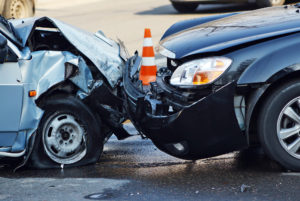
Car Accident AttorneyWhen you are involved in a fatal auto accident, the at-fault driver is liable to provide compensation to you for the damages under Illinois. From medical expenses to the costs of lost wages due to missed work days, you are entitled to make a claim on the other driver’s insurance policy. Unfortunately, some accidents result in death. What can you do if the at-fault driver died in the accident? Will you be able to recover damages from the accident?
Can you Make a Claim against a Deceased Driver?

According to Illinois laws, you can make a claim against a driver who was responsible for the accident and died as a result of it. Death does not change laws and regulations pertaining to personal injury claims and you still are entitled to receive compensation for your damages. You may be worried about the financial situation of the other driver’s surviving family, but when you file a claim against the responsible party, it is made on their insurance policy. The insurance company pays the damages to the plaintiff, which means that the surviving family will not be affected by your claim.

You may feel wrong or guilty in doing this, but you should look at it in this way: they died because of their mistake, and you are lucky that you survived the fatal accident. If the negligent driver was driving under the influence of alcohol or drugs, speeding, using cellphone, or engaged in a dangerous driving behavior, they would likely have faced serious legal consequences in addition to providing compensation to you.

Making an Auto Accident Claim Against the Deceased’s Estate

In some cases, insurance policy is not enough to cover all the damages, while in others, the at-fault driver does not have an auto liability insurance. In such situations, you can try and get compensation by making a claim on the deceased’s estate. When people die, they leave behind their worldly possessions which is generally divided among heirs and beneficiaries. There is a chance that the deceased driver had substantial estate. Your attorney can help you file a claim that allows you to recover your damages from that estate.

However, the rule of thumb is that people with large estate generally have premium insurance policies in place, allowing you to cover all damages from them. On the contrary, people who are underinsured or with no insurance at all tend to have little to no estate. If the at-fault driver has insufficient insurance coverage and small estate, you will likely have to bear the expenses or make a claim on your own uninsured motorist insurance.

Personal Injury Attorney

Being in an auto accident in which the at-fault driver passes away can be a traumatic event. You may be able to make a claim on the descendant’s insurance policy or on their estate, but in the absence of both of these options, you may have to turn to your own insurance coverage. It is advisable that you hire an experienced auto accident attorney, who can help you with the best course of action in your particular situation. Contact the Law Offices of Robert T. Edens, P.C. at (847) 395-2200 or online today to schedule your initial consultation.

When Should You Opt to Get Legal Representation in an Auto Accident?

Auto Accident AttorneyMany people often believe that the only time they need legal representation is when the auto accident has been severe enough to cause great personal injury. However, that is not always the case. On this false assumption, people often tend to overlook getting an attorney for an auto accident, until it is too late.

In such cases, it is extremely difficult to ensure that justice is meted out properly. If you’re wondering when you should get legal representation to strengthen your case in an auto accident, the following are some scenarios:

Issue in Determining Fault

In some cases, it can be extremely difficult to determine the fault, or you might be facing opposition from the other party regarding where the true fault lies. For this reason, it can be beneficial to have legal representation since they are able to identify the fault for the auto accident with ease.

In some cases, based on the state and federal laws that apply to particular jurisdiction, determining the fault can also mean facing a fine for your share in the fault. Based on this, it means that even if you win recompense, you might be faced with a fine too.

Serious Injury

While some auto accidents do not cause bodily harm and people have walked away unscathed from complete car wrecks, they can still cause serious injury. In the event of broken bones, stress, shock and trauma or other afflictions that greatly hamper you from your job, school or other responsibilities, it is a good idea to get legal representation.

An auto accident attorney can help you from the start by collecting all physical evidence and legal data needed to process your auto accident case. In many instances, this greatly facilitates the case and produces a good result that both parties can agree on.

Having Confusions

In an auto accident, not every situation is clear cut and you might be stuck in one where you are unable to determine whether the scenario calls for proper representation of an auto accident attorney or not. In such instances, you can seek legal advice from a seasoned attorney to determine exactly where you stand. Getting legal advice can actually work in your favor. It can work wonders for your case should you decide to sue the other party since the longer you wait, the weaker your case becomes and less evidence and other proof you have on hand.

Filling for Insurance

Oftentimes, it could be your insurance that is giving you trouble when you put in a claim for an auto accident. Getting a legal attorney ensures that you’re not unnecessarily harassed during this delicate time. A legal attorney can skillfully gather all the data required to file a claim with the insurance company and will greatly speed up the process.

Personal Injury Attorney

If you’re looking for an experienced auto accident attorney, contact The Law Offices of Robert T. Edens, P.C. at (847) 395-2200 to get a free consultation for your auto accident.

Types of Evidence Needed in a Defective Product Case

Defective Product AttorneyIn a personal injury case involving defective product, you are required to establish that the defect caused the harm or damage. In order to make a claim and receive compensation from the responsible party for product liability, you need to prove that:

  • The product was defective
  • The product was not altered or changed when it reached you
  • The defect changed how the product worked, making it hazardous to you
  • The defect in the product caused the damage and harm

However, establishing product liability is extremely challenging when filing a claim against a manufacturer or any other entity. They generally have a team of attorneys trained to keep such liability from falling onto them. You will need solid evidence to prove the product liability to support your claim.

An experienced attorney can help you gather evidence for your case, which may include:

Healthcare Expenditure Bills

It is important that you keep bill receipts of medical tests, treatments, and medication you have paid for to determine your total medical expenses. Bills allow insurance providers or a judge to know how much the injuries cost you financially, and help them decide the value of your claim.

Medical Records

Your medical records are crucial in establishing that the defective product caused harm to you. They have details about how you were hurt, what injuries have caused temporary or permanent disability, and what treatments you have received or will need in the future. In other words, medical records tell about your injuries and help courts determine how much you should be compensated.

Blueprints and Schematics

Blueprints, schematics, or other technical and engineering documents can provide insights into the design or make of the product. If a product was flawed, these documents can help you determine how it deviated from the original design or manufacture, as well as the way it was supposed to work.

Videos and Photos

Videos and photos are a great piece of evidence that can be used to demonstrate the extent of your bodily and property damage in a way that is easily understandable for a judge or jury. When they see cuts, burns, bruises, broken bones, or other injuries, they get a clear picture of how the defective product has affected you.

Other Documents

You may need some documents to support your claim, based on the type of product liability case. For example, if the defect is related to a failure to warn or misrepresentation in advertising, you may need to present instruction manuals or copies of advertisements to prove your point.

Expert Witnesses

They are experienced individuals who have intimate knowledge of a particular field, and can provide their opinion regarding the possibility of the incident. In product liability claims, expert witnesses can provide insights into technical documents, talk about how product works, and whether it is possible for it to harm someone in certain ways. Expert witnesses may include product engineers, medical experts, and others.

Lay Witnesses

If anyone was present at the time of the incident, your attorney will take statements about what they saw happened to you. They may also testify that the injuries have affected your life. Witnesses may include your spouse, children, medical practitioner, co-workers, or friends.

Product liability cases are extremely challenging for a person to fight on their own. You should consider working with an experienced product liability attorney to provide guidance, help gather evidence, and present your case in the best possible light.

Personal Injury Attorney

Contact the Law Offices of Robert T. Edens, P.C. at (847) 395-2200 or online today to schedule your initial consultation.

When There Is “a Plague On Both Houses,” Who Is Liable?

While the Shakespearean quotation was more likely meant to be a non-literal curse reflective of the times in which it was written, in modern times it may raise new questions in surprising areas of law. News reports in recent years have provided much in the way of speculative banter on the prevalence of the bubonic plague. The very mention of the two words together conjure images in readers’ minds of “the black death” of Europe and Asia in the 1400s, which has been causally linked to the deaths of 30-60% of the world’s population at that time.

Actual occurrences in modern times are far less widespread, with approximately 7-15 cases per year reported in the United States, but this does not mean that the disease is less deadly. To the contrary, without proper diagnosis and prompt treatment the bubonic plague can be just as deadly (and contagious) as its medieval counterpart.

Missed or Misdiagnosis

The symptoms of the plague in the beginning stages of infection can closely mirror those of many common types of flu, and so can be difficult to identify without running specific tests for plague. Some cases of misdiagnosis of the plague have proved fatal for the sick person, when prompt treatment could have set them on the path to recovery. In instances where such misdiagnoses are the result of a healthcare provider’s negligence or carelessness, it could mean that they are guilty of malpractice.

Medical Malpractice Lawyers IL

Medical Malpractice

Medical malpractice is a type of professional negligence that occurs when a healthcare provider fails to provide treatment at or above the required standard of care in a certain case, and that failure causes injury or death of a patient. What can make these types of claims difficult is the myriad issues that can contribute to the overall state of a patient, the availability of all possible treatment options, as well as the fact that there are many standard risks that come with engaging in any form of medical procedure. Further, in order to prove that a doctor failed to provide a patient with the correct standard of care, it must be shown that the physician failed to use the same skill and care that would be used by a qualified physician in the same or similar circumstances.

When an individual is sick and cannot treat themselves properly at home, the first person they seek aid from is not an attorney or police officer, but a doctor. This is because a doctor has the training and knowledge to provide them with the skills to help treat whatever medical issue that person is experiencing. If a physician does not provide the sick individual with the standard level of care that he or she is duty-bound to provide, it can have serious negative effects on the individual that they were supposed to treat.

Personal Injury Attorney

If you or a loved one has been injured by a medical professional’s negligence through misdiagnosis, contact the Law Offices of Robert T. Edens, P.C. in Antioch today. Our attorneys have years of experience handling medical malpractice claims and can help you obtain the relief you are entitled to, and maybe also help prevent anyone else from being harmed by the same person in the future.