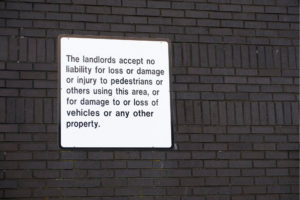
 It is highly likely we may suffer an injury due to defects or unsafe conditions found on a particular property, whether it be a workplace or personal property. A premises liability covers any such falls or injuries that are a direct result of someone else’s negligence. Usually, the property owner or the individual responsible for its maintenance is made liable when it comes to insurance or compensation claims. Considering that fact that every incident and negligence needs careful review before a claim is filed, it is a wise practice to seek support from a skilled personal injury attorney who specializes in processing premises liability claims.
The property owner has a duty of care for both the licensees and invitees. For a property owner, a licensee is anyone who is given permission to enter the property for their own purpose, while an invitee can be either a neighbor, business contact, friend, or family member having permission to enter. Although the property owner is not obligated to show care towards a trespasser, they are still required to ensure no harm is done due to owner’s negligence to anyone present on their property. No claims can be filled if the trespasser was a child.
According to the Premises Liability Act, dangerous conditions involve negligence or known errors that cause injury. If an invitee or licensee gets injured, they will have to prove the owner of the property knew about its dangerous conditions, or failed to rectify issues, leading to a possible and present injury. Some examples of dangerous conditions include:
According to the Premises Liability Act, a premises liability claim can help in overcoming medical bills for treatment of injuries, as well as recovering lost wages or salary due to the absence of work. The insurance provider of the property owner usually covers the compensation amount owed to the licensee or invitees.

If you wish to find out more about premises liability and compensation claims in Illinois, schedule a free consultation by contacting the offices of Robert Edens at (847) 395-2200 to speak with an experienced personal injury lawyer.

The Law Offices of Robert T. Edens, Personal Injury and Workers' Compensation Law Office, have offices in Antioch, Waukegan, Grayslake, Woodstock and Barrington. We represent clients throughout the communities of Antioch, Waukegan, Grayslake, Barrington, Woodstock, Buffalo Grove, Deer Park, Gurnee, Lake Zurich, Round Lake, McHenry, Cary, Crystal Lake, Libertyville, Lincolnshire, Mundelein, Vernon Hills, Wheeling, North Chicago, Zion, Inverness, Palatine, Wauconda, Island Lake, Fox Lake, Barrington Hills, Spring Grove, Lake Bluff, Lakemoor, Long Grove, Lake Villa, Kildeer, Wadsworth, Indian Creek, Fox River Grove, Lindenhurst and other cities within Lake and McHenry Counties Illinois.
© 2026 The Law Offices of Robert T. Edens, LLC., All Rights Reserved, Reproduced with Permission Privacy Policy | Sitemap | Disclaimer
Powered By